
24/7 Customer Support

Free returns

Same-day & Next-day Delivery

Quality Guaranteed

Unlock Your Welcome Offers: FREE Delivery | Up to 80% OFF | Free 30-day JoyPlus trial
Download the APP
Navigating the world of Asian noodles can feel overwhelming. You see shelves lined with packets labelled rice noodles, rice vermicelli and rice sticks, but the results at home can be unpredictable. Many UK home cooks find themselves frustrated by noodles that either disintegrate into a starchy mush in their Pho or clump into an unappetising block in a stir-fry.
As the Joybuy Product Recommendation Officer, my role is to help you bypass these common issues. Let's look at the frequent pitfalls when you buy Asian noodles online UK and how to choose the right product for your dish, every time.
The Two Traps to Avoid When Buying Rice Noodles:
Asian noodles are naturally gluten-free, some brands add wheat flour or other ingredients. It's easy to either mistakenly buy a product that isn't suitable for a gluten-free diet or pay an unnecessary premium for a label on a product that would be gluten-free anyway.To ensure you get the texture and flavour you're looking for, focus on two key details on the packaging: the core ingredient and the noodle's shape.
The base ingredient fundamentally defines the noodle's character.
The noodle's dimensions are not just for aesthetics; they are crucial for how the final dish comes together.
To make your choice easier, we've matched some excellent options to the needs of different UK home cooks.
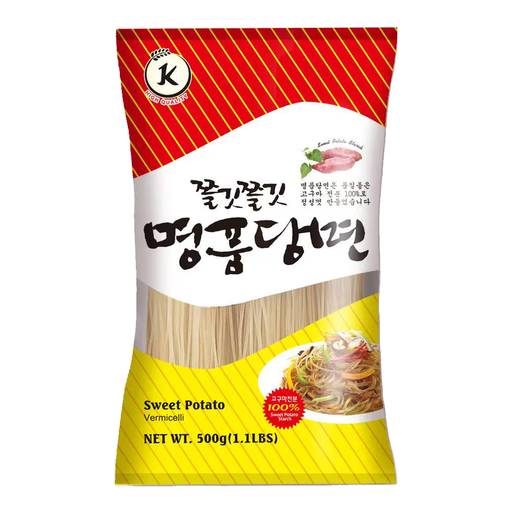
Why This Fits Their Persona: Ideal for those hosting a hot pot night or making a large batch of authentic Korean glass noodles for Japchae. The generous 500g pack is perfect for shared meals, and the noodles deliver that sought-after chewy, bouncy texture.
Made from 100% sweet potato starch, these noodles won't turn to mush. They are specifically designed to maintain their springy integrity even after simmering in a hot pot broth, avoiding the "mushy noodle" pitfall entirely.
Naturally gluten-free, fat-free and sugar-free. Their translucent appearance and ability to absorb flavours make them a versatile and visually appealing addition to many dishes.
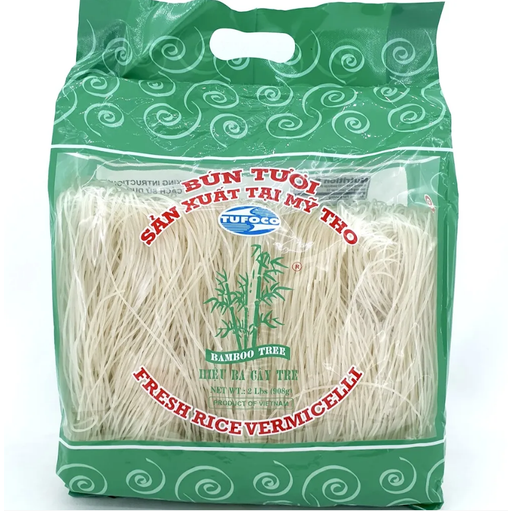
Why This Fits Their Persona: This is a true pantry workhorse for anyone needing a reliable gluten-free noodle. The fine texture is perfect for authentic Vietnamese rice noodles in salads, summer rolls and light soups. It's a simple, high-quality staple.
With a single ingredient – rice – this product sidesteps the "vague gluten-free" trap. You get a naturally gluten-free product without paying a premium for marketing, ensuring purity and suitability for sensitive diets.
The large 908g pack offers excellent value for money. The noodles cook in just 3-5 minutes, making them a convenient and versatile base for countless quick and healthy meals.
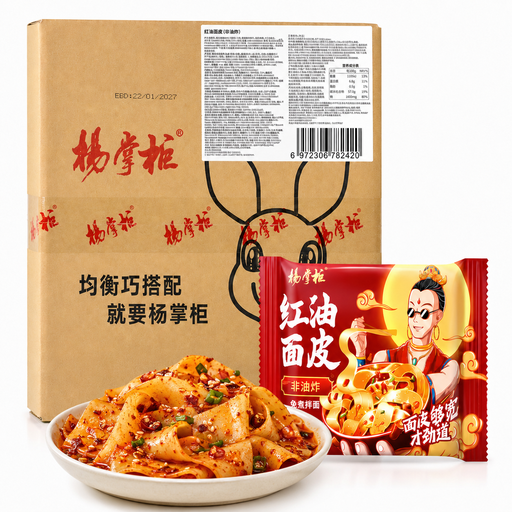
Why This Fits Their Persona: For busy professionals or students who crave a flavourful, satisfying meal without the long prep time. This is a complete instant noodles kit that is ready in under 10 minutes, offering a much more complex taste than standard pot noodles.
Unlike many bland instant options, this kit provides a full flavour experience. The rich chilli oil, sesame paste and seasoning sachets deliver a numbing, spicy and savoury taste, preventing the disappointment of a one-dimensional meal.
The non-fried wheat noodle sheet offers a superior chewy and smooth texture. Preparation is simple: just soak, drain and mix with the included seasonings for a quick and delicious meal.
We have compiled a complete, real-time list of products that fully satisfy these strict selection criteria and UK safety regulations.
The most effective method is to rinse the noodles under cold running water immediately after cooking and draining. This washes away excess surface starch and stops the cooking process, preventing them from sticking together. A light toss with a small amount of oil (like sesame or a neutral vegetable oil) can also help if you aren't using them right away.
The key difference is the core ingredient. Rice vermicelli is made from rice flour, giving it an opaque white appearance and a soft, tender texture. Glass noodles are made from starch—typically sweet potato, mung bean or tapioca—which causes them to become transparent, springy and chewy when cooked.
While noodles made from 100% rice are naturally gluten-free, you should always check the ingredients list. Some products, especially certain types of instant or fresh noodles, may contain wheat flour or other additives to alter the texture. If you have a gluten sensitivity or coeliac disease, look for products that explicitly state they are gluten-free or have a simple ingredient list of just rice and water.