
24/7 Customer Support

Free returns

Same-day & Next-day Delivery

Quality Guaranteed

Unlock Your Welcome Offers: FREE Delivery | Up to 80% OFF | Free 30-day JoyPlus trial
Download the APP
As a staple food for billions, rice is a cornerstone of countless cuisines, from a fragrant biryani to a perfectly formed sushi roll. Yet, when you set out to buy rice online in the UK, the sheer variety can be overwhelming. Navigating a digital world food shop presents its own challenges, and it is easy to make a purchase you later regret.
As the Joybuy Product Recommendation Officer, my role is to help you sidestep common shopping pitfalls. Many shoppers fall into a few simple traps that lead to disappointing meals and wasted money. Let's look at the main ones to avoid.
Thai fragrant rice, for instance, should ideally be specified as "Thai Hom Mali," a protected designation indicating a premium jasmine variety. A generic label might mean a lower-grade or blended product that lacks the distinct aroma and texture you expect.20kg bag of rice often looks like the most economical choice. While the price per kilogram is lower, it can be a false economy. Without proper storage in a large, airtight container, rice is susceptible to pests and moisture, especially in the UK climate. If your household doesn't consume it quickly, you risk spoilage and a loss of freshness and flavour.sticky rice will lead to a textural disaster. Understanding the properties of each grain is fundamental to achieving the right result.To ensure you get the right product for your kitchen, focus on these core parameters. They are far more important than flashy packaging or marketing claims.
The length and starch content of the grain determine its cooked texture. This is the most critical factor in matching a rice to a recipe.
Beyond grain length, the specific variety dictates flavour, aroma and cooking behaviour.
Consider your consumption rate before choosing a pack size. For most households, a 5kg rice bag offers a good balance of value and manageability. If you cook rice daily or have a large family, a 10kg basmati rice bag can be more economical. Only opt for bulk rice sizes (20kg and above) if you have the correct airtight storage and will use it within a few months.
Instead of providing a simple list, we have matched our recommendations to specific user needs, helping you find the right fit for your kitchen.
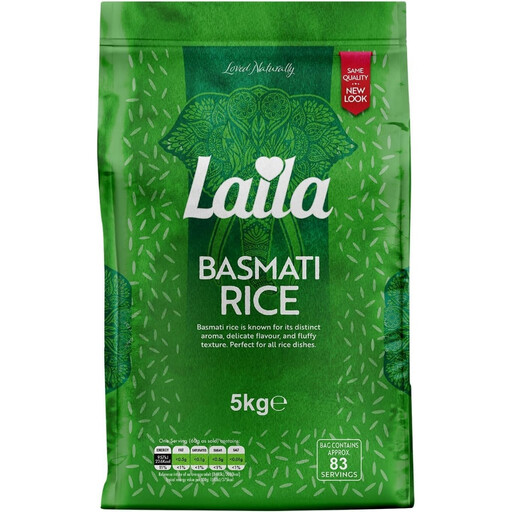
Why This Fits Their Persona: This is a versatile workhorse for the family kitchen. It is perfect for accompanying curries, making a quick pilau or as a simple side. The 5kg rice bag is a practical size for a UK family, balancing good value with a manageable quantity that ensures freshness.
It is a specific, well-regarded variety (100% Pure Basmati), not a generic "long grain," avoiding the wrong-grain pitfall. The 5kg size prevents the storage and waste issues associated with oversized bulk bags.
Aged to ensure a light, fluffy and non-sticky texture. Sourced from quality paddy fields for consistent results.
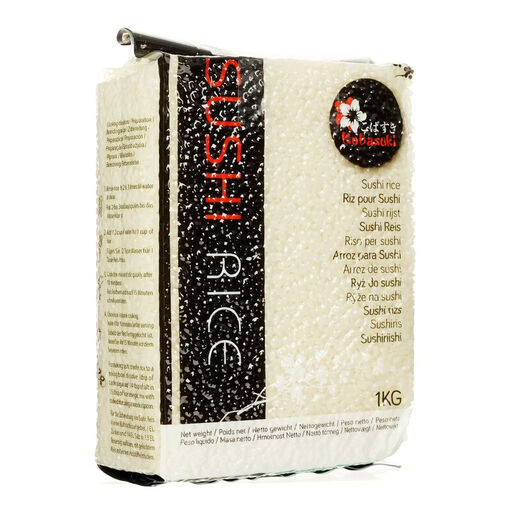
Why This Fits Their Persona: For the home cook dedicated to making authentic sushi, onigiri or poke bowls, the right rice is non-negotiable. This product is specifically for that purpose, where texture is paramount. The 1kg bag is ideal for occasional, specialised cooking without committing to a large volume.
This is a dedicated sushi rice, preventing the common mistake of using the wrong grain type. Using a long-grain rice would result in sushi rolls that fall apart, but this short-grain variety ensures the correct sticky texture.
Premium short-grain rice selected for its ideal balance of stickiness and individual grain integrity. It absorbs sushi vinegar perfectly for an authentic flavour.
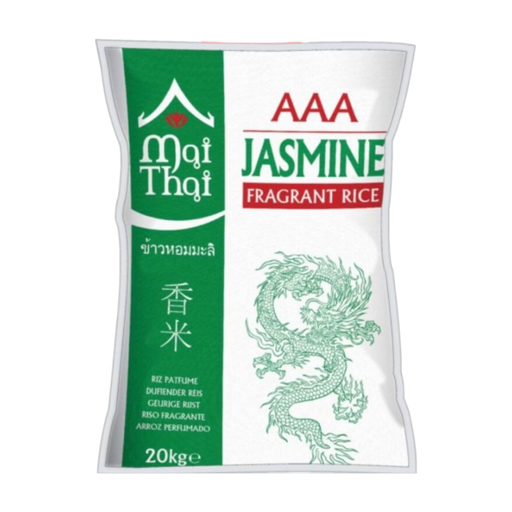
Why This Fits Their Persona: Ideal for restaurants, caterers, takeaways or large families with very high rice consumption. This bulk rice pack offers excellent value per kilogram without compromising on the quality needed for authentic Southeast Asian cuisine.
This is an AAA-grade jasmine rice, a clear mark of quality that sidesteps the vague "fragrant" label trap. It provides the authentic taste and texture that high-volume kitchens rely on, ensuring consistency.
Delivers consistent results and authentic flavour in every batch. Its soft, slightly sticky texture is perfect for absorbing the rich flavours of curries and stir-fries.
We have compiled a complete, real-time list of products that fully satisfy these strict selection criteria and UK safety regulations.
To protect your investment, especially with a 10kg or larger bag, proper storage is crucial. Transfer the rice from its original sack into one or more large, airtight, food-grade containers. Store these containers in a cool, dry and dark place like a pantry or cupboard. This protects the rice from moisture, which can cause mould, and prevents pests from getting in, ensuring it stays fresh for months.
While both are popular long-grain varieties, they have distinct characteristics. Basmati rice has a firm, dry and fluffy texture when cooked, with grains that remain separate. It has a nutty, almost savoury aroma. Jasmine rice is softer and moister, with a tendency for the grains to cling together slightly. It is known for its delicate, floral fragrance. Basmati is the classic choice for Indian biryani and pilau, while Jasmine is the go-to for Thai and other Southeast Asian dishes.
Buying in bulk often provides a lower cost per kilogram, which is advantageous for businesses or households that consume rice very frequently. However, "better value" also means using what you buy. If a 10kg bag would take you a year to finish, the decline in freshness and the risk of spoilage may negate the initial savings. A 5kg rice bag is often a more practical and valuable choice for the average family.