
24/7 Customer Support

Free returns

Same-day & Next-day Delivery

Quality Guaranteed

Unlock Your Welcome Offers: FREE Delivery | Up to 80% OFF | Free 30-day JoyPlus trial
Download the APP
Buying rice online can save a trip to the supermarket, but product pages often use broad descriptions such as “premium”, “authentic” or “restaurant quality” without explaining whether the rice suits your cooking style. The right choice depends on grain type, pack size, preparation time and storage—not just the front-of-pack wording.
This guide helps UK households, students, home cooks, sushi makers, restaurants and caterers compare Asian rice, everyday staples and convenient ready-to-eat options before placing an order.
Long-grain basmati rice, Thai fragrant rice and short-grain sushi rice behave differently when cooked. A long, separate grain is useful for biryani or pilau, while short-grain rice is designed to become cohesive. Buying the wrong type can leave you with rice that is too dry, sticky or soft for the dish.
A 10kg or 20kg rice bag may reduce the cost per kilogram, but it needs suitable storage. Rice should be kept in a cool, dry place, away from moisture and direct sunlight. Once opened, an airtight container can help protect aroma and reduce the risk of infestation. Smaller packs may be more practical for occasional cooks, students or households with limited cupboard space.
Raw rice still requires rinsing and cooking, even when the cooking time is relatively short. Microwavable rice and instant cooked rice are different: they have already been cooked and sealed, so they only require heating according to the packaging instructions. Always check whether the product is ready to eat or must be cooked before consumption.
A 1kg rice pack is useful when trying a new variety or cooking occasionally. A 5kg rice bag suits regular household use without requiring as much storage space as a larger sack. 10kg rice is more appropriate for larger families, frequent batch cooking or shared accommodation. 20kg rice is generally aimed at restaurants, caterers, food-service businesses and large households.
Compare the price per kilogram rather than the headline price. Also consider whether you will use the rice before its best-before date and whether you can reseal the package properly.
For plain rice, look for a clear ingredient statement such as 100% rice. Blended products may contain white rice, black rice, glutinous rice or rice bran extract, so read the label if you need a particular texture or ingredient profile.
Raw rice should not be eaten uncooked. Rinse and prepare it according to the product instructions. Cooked rice should be kept safely: follow the label guidance, cool leftovers promptly where applicable, refrigerate them and avoid repeatedly reheating the same portion. Product packaging remains the authoritative source for allergens, storage instructions and date information.
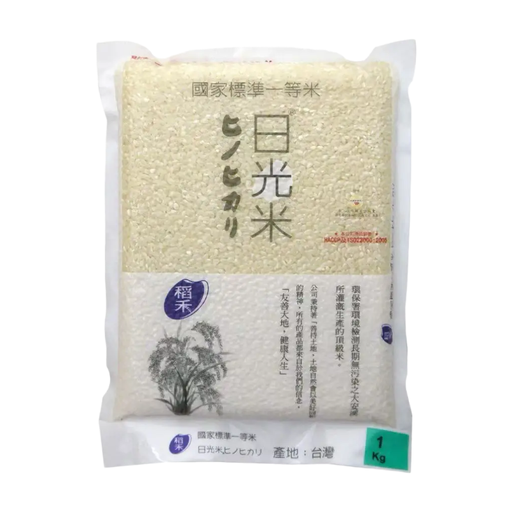
Why This Fits Their Persona: The 1kg pack offers a manageable way for students, smaller households and first-time buyers to try a Chinese-style everyday rice without committing to a large sack.
The stated ingredient is rice (100%), and the listing explains that it requires cooking rather than presenting it as an instant product.
1kg net quantity; listed cooking ratio of approximately 1:1.2 rice to water; airtight storage is recommended after opening.

Why This Fits Their Persona: Home cooks who prepare biryani, pilau or curry regularly may prefer extra-long basmati grains and a medium-sized 5kg pack.
The listing identifies the product as 100% pure extra-long basmati rice, rather than leaving the grain type unclear.
5kg quantity; cooking guidance includes rinsing and resting the rice after cooking; suitable for vegetarian and vegan diets according to the listing.
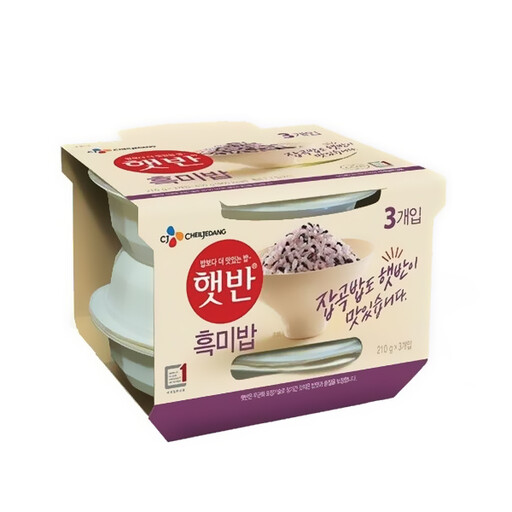
Why This Fits Their Persona: Three 210g portions are convenient for lunch breaks, compact kitchens and evenings when there is little time for hob cooking.
The product is clearly described as steam-cooked and microwavable, with individual portions rather than raw rice requiring preparation.
Three 210g packs; polypropylene packaging is stated as suitable for microwaving; store at ambient temperature before opening.
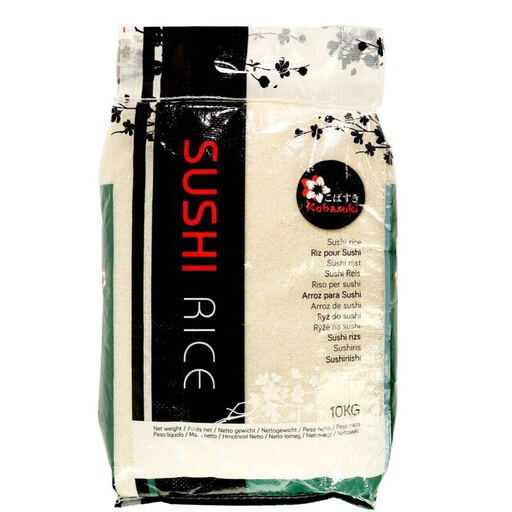
Why This Fits Their Persona: Sushi makers, caterers, restaurants and families cooking Japanese dishes frequently can use the larger quantity for repeated batches.
It is specifically identified as round-grain rice for sushi, instead of using a generic long-grain product for a texture-sensitive recipe.
10kg pack; stated sticky texture and glossy appearance after cooking; instructions include rinsing, a 1:1.2 water ratio and resting before serving.
We have compiled a complete, real-time list of products that fully satisfy these strict selection criteria and UK safety regulations.
The price per kilogram can be lower for 5kg, 10kg or 20kg rice, but value depends on consumption and storage. Bulk rice is more suitable for families, restaurants and caterers that use it regularly. Occasional cooks may waste money if the rice remains open for too long or is stored in unsuitable conditions.
Choose sushi rice or clearly labelled short grain rice. These varieties develop a cohesive texture after rinsing and cooking, allowing sushi rolls and rice balls to hold their shape. Follow the product’s soaking, water-ratio and resting instructions rather than substituting basmati or jasmine rice.
There is no single lifespan for every product. Check the best-before information on the packaging and store the rice in a cool, dry place, tightly sealed and away from moisture. Before cooking, inspect the grains and discard the product if the packaging is damaged or the rice shows signs of contamination.