
24/7 Customer Support

Free returns

Same-day & Next-day Delivery

Quality Guaranteed

Unlock Your Welcome Offers: FREE Delivery | Up to 80% OFF | Free 30-day JoyPlus trial
Download the APP
Shopping for rice online should be straightforward, but the sheer variety can be overwhelming. From fragrant basmati for a curry to the specific chewy rice cakes needed for tteokbokki, choosing the wrong type can lead to a disappointing meal. Before you fill your online basket, it helps to be aware of a few common pitfalls that can lead to wasted money and culinary frustration.
To ensure you get the right product for your recipe, focus on a few core parameters. These details are far more important than flashy packaging or marketing claims.
The type of grain is the single most important factor. Different grains have different starch compositions (amylose and amylopectin), which dictates their cooked texture.
Rice comes in many forms beyond simple grains. Understanding the processing helps you select the right ingredient for more advanced dishes.
To help you navigate the options, we've matched a few products to common UK household needs.
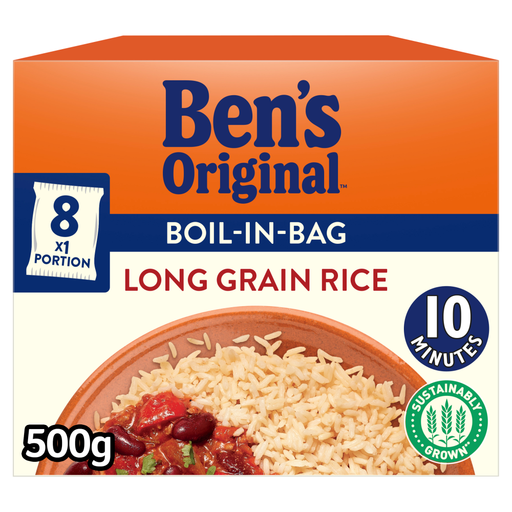
Why This Fits Their Persona: For those juggling work and family life, getting a meal on the table quickly is paramount. These pre-measured bags eliminate guesswork and deliver consistent results for a simple, reliable side dish.
It sidesteps the "mushy convenience" pitfall. The parboiling process helps the long grains remain separate and fluffy, providing a better texture than many other instant rice options.
Ready in just 10 minutes with no measuring required. The eight single-serve bags ensure perfect portion control and reduce food waste.
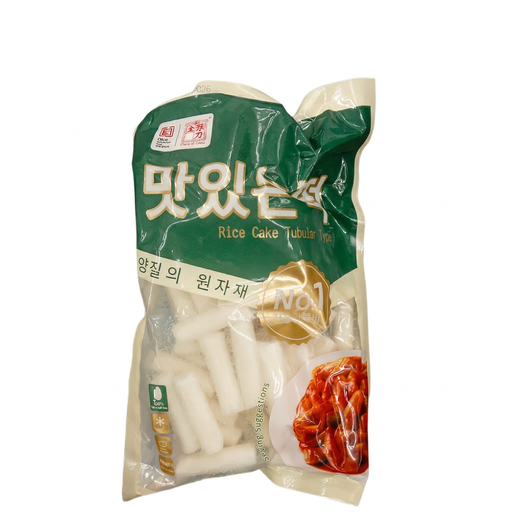
Why This Fits Their Persona: For the home cook dedicated to recreating authentic Korean street food, having the right tteok (rice cake) is non-negotiable. This user is looking for the specific soft, chewy texture that defines dishes like tteokbokki.
This product directly solves the "ingredient confusion" problem. It is specifically made from glutinous rice using traditional methods to achieve the correct texture, which cannot be replicated with other rice products.
Delivers an authentic soft and chewy texture. The pre-cut tubular shape is convenient for stir-frying, soups or hot pot.
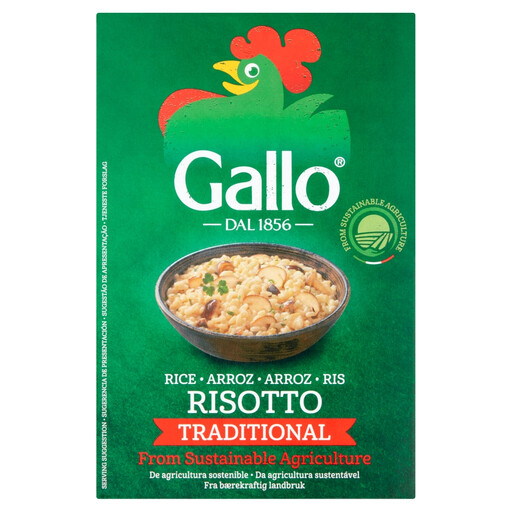
Why This Fits Their Persona: This cook understands that a creamy, al dente risotto cannot be faked. They need a specific medium-grain rice with high starch content to achieve that classic Italian texture and are not willing to compromise with a generic grain.
It avoids the "authentic label" trap by being exactly what it claims: 100% Italian risotto rice. Its properties are perfectly suited for releasing starch to create a creamy sauce while the grains hold their shape.
Specifically cultivated for risotto, ensuring a creamy texture and excellent flavour absorption. It is a versatile base for a wide range of classic and creative risotto recipes.
We have compiled a complete, real-time list of products that fully satisfy these strict selection criteria and UK safety regulations.
1. What is the difference between glutinous rice flour and regular rice flour? Glutinous rice flour, also known as sweet rice flour, is made from rice with a very high amylopectin starch content. When cooked with liquid, it becomes sticky, elastic and chewy. It's used for making desserts like mochi, sesame balls and is a key ingredient in many Asian snacks. Regular rice flour is made from long or medium-grain rice and is not sticky; it's more often used as a thickening agent or for making certain types of noodles and pancakes.
2. Can I use any long-grain rice for Indian or Thai curries? While you can use any long-grain rice, basmati rice is traditionally favoured for Indian dishes due to its distinct aroma and fluffy, separate grains that pair well with rich sauces. For Thai curries, Jasmine rice is a more common choice, as it has a softer texture and a subtle floral aroma that complements the cuisine. Using the right type enhances the overall authenticity and experience of the meal.
3. How do I store speciality rice products like tteokbokki or rice paper after opening? For fresh or refrigerated Korean rice cakes (tteokbokki), once the package is opened, it's important to reseal it tightly or transfer the cakes to an airtight container and keep them in the refrigerator, consuming them within a few days. If they are frozen, reseal the bag and return it to the freezer immediately. For Vietnamese rice paper, the key is to keep it dry. Store opened packages in a large, sealed bag or airtight container in a cool, dark pantry to prevent them from absorbing moisture and sticking together.