
24/7 Customer Support

Free returns

Same-day & Next-day Delivery

Quality Guaranteed

Unlock Your Welcome Offers: FREE Delivery | Up to 80% OFF | Free 30-day JoyPlus trial
Download the APP
Navigating the rice aisle can be surprisingly complex. With shelves stocked with everything from Thai Jasmine to Indian Basmati, it is easy to grab the wrong bag and end up with a disappointing meal. As a Product Recommendation Officer at Joybuy, I see where shoppers often go wrong. Many end up with rice that is too sticky for a pilau or too fluffy for sushi, simply because of confusing packaging or a lack of clear information.
This guide cuts through the clutter. We will look at the common pitfalls to avoid when you buy rice online or in-store, break down the essential factors that determine the right grain for your dish and offer some practical recommendations for UK households and kitchens.
Before you add a bag to your basket, be aware of these frequent mistakes that can lead to wasted money and culinary frustration.
To make an informed choice, focus on these three key characteristics.
The physical shape of the rice grain is the primary indicator of its cooked texture. This is due to the ratio of two starches: amylopectin (which makes rice sticky) and amylose (which helps it stay separate).
Beyond grain length, the specific variety determines the flavour and aroma.
Consider how frequently you will use a particular type of rice. For daily staples like Jasmine or Basmati, buying bulk rice in 5kg or 10kg bags offers significant savings. For speciality grains like sushi rice or black rice that you might use less often, a smaller 1kg or 2kg bag is a more practical choice to ensure freshness.
Here are a few options from our catalogue, matched to different needs and cooking styles.
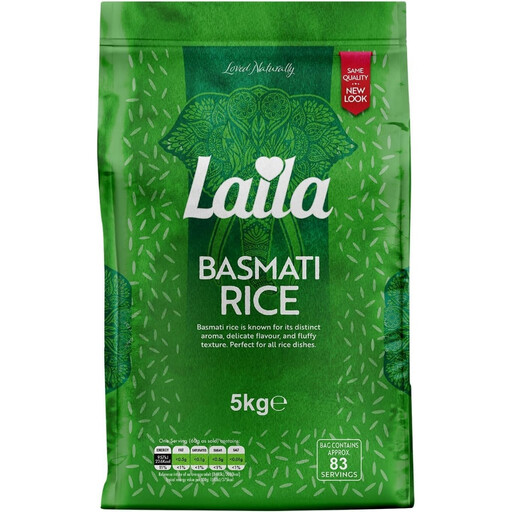
Why This Fits Their Persona: This is a versatile staple for UK families who regularly cook South Asian or Middle Eastern food. The 5kg bag offers great value for money and is the perfect size for a household that uses rice frequently as a side for curries or for making pilau.
It avoids the pitfall of buying small, expensive 1kg bags for a staple grain, providing better cost-per-serving for regular meals.
Authentic long-grain Basmati ensures a fluffy, non-sticky texture ideal for biryani and as a side for curry.
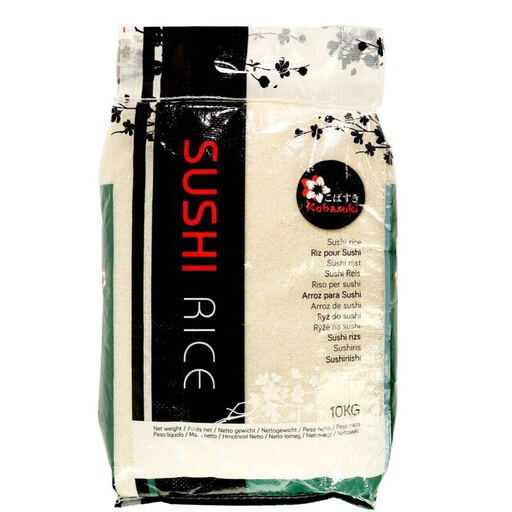
Why This Fits Their Persona: For the home cook dedicated to perfecting Japanese cuisine, this is the correct grain. It is specifically selected for its sticky texture, which is non-negotiable for making sushi rolls, nigiri or onigiri that hold together properly.
This avoids the grain-for-dish mismatch. Using a generic long-grain rice for sushi would result in it falling apart; this ensures authentic results.
Premium round grain provides the ideal sticky texture and glossy appearance for authentic Japanese dishes. The 10kg bag is great for enthusiasts or small caterers.
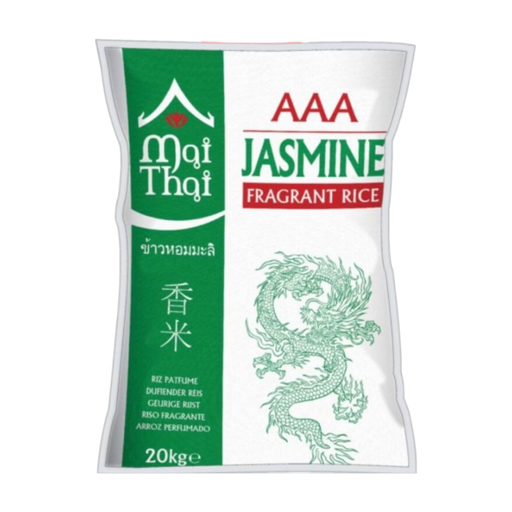
Why This Fits Their Persona: For restaurants, caterers or very large households, this 20kg bulk bag of AAA-grade Jasmine rice provides exceptional value and consistency. It is a workhorse grain for high-volume kitchens preparing Southeast Asian cuisine.
This avoids the high cost and inconvenience of repeatedly buying smaller bags. The AAA-grade quality also sidesteps the issue of inconsistent results from lower-quality "fragrant rice".
Delivers consistent, soft and aromatic results in every batch, which is crucial for professional food service. Excellent value for high-volume use.
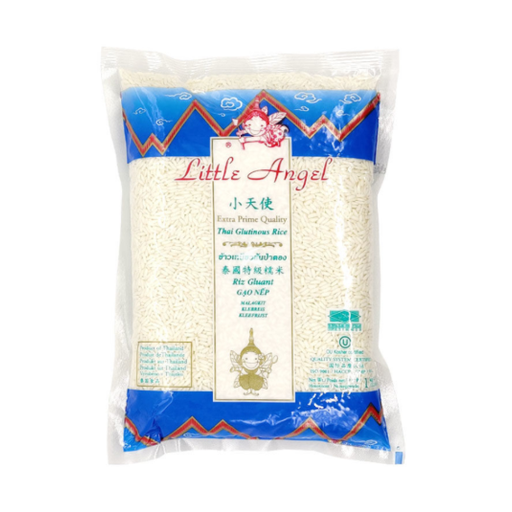
Why This Fits Their Persona: For those looking to experiment with specific recipes like Thai mango sticky rice or zongzi, this 1kg pack of glutinous rice is ideal. It provides enough for several attempts without the commitment of a large bulk bag of a speciality ingredient.
This avoids the 'incorrect pack size' pitfall. You get the authentic grain for your recipe without being left with a huge quantity of a speciality rice you may not use again for months.
Provides the essential sticky, chewy and slightly sweet texture that is impossible to replicate with other rice types. Perfect for authentic Southeast Asian desserts.
We have compiled a complete, real-time list of products that fully satisfy these strict selection criteria and UK safety regulations.
Once opened, the key is to protect the rice from air, moisture and pests. Do not leave it in the original paper or plastic sack. The recommended method is to portion the rice into smaller, food-grade, airtight containers. Store these containers in a cool, dark and dry place like a pantry or cupboard, away from any heat sources or direct sunlight. This will maintain its freshness and fragrance for much longer.
While both are long-grain aromatic rices, they have distinct characteristics. Basmati rice has extra-long, slender grains that cook up very separate and fluffy, with a nutty aroma. It is the preferred choice for Indian biryani. Jasmine rice has slightly shorter and plumper long grains that are softer and stickier when cooked, with a more floral scent. It is ideal for accompanying Thai curries as it clumps together just enough to be easily eaten with other ingredients.
You can, but the result will not be the same. The defining features of a good biryani are the fragrant aroma and the long, separate and fluffy grains of rice. While a standard long-grain rice will provide a base, it lacks the distinctive nutty fragrance of Basmati and will not elongate to the same impressive length. For an authentic dish, using proper Basmati rice is highly recommended.