
24/7 Customer Support

Free returns

Same-day & Next-day Delivery

Quality Guaranteed

Unlock Your Welcome Offers: FREE Delivery | Up to 80% OFF | Free 30-day JoyPlus trial
Download the APP
As a Joybuy Product Recommendation Officer, my role is to help you navigate the crowded marketplace. When it comes to rosé wine, the shelves are filled with bottles of every shade of pink, from pale onion-skin to vibrant raspberry. While this variety is exciting, it can also lead to disappointing purchases. This guide will help you understand what really matters, so you can confidently buy rosé wine online that you'll genuinely enjoy.
Before you add a bottle to your cart, be aware of a few common misconceptions that can lead to buyer's remorse.
To make an informed choice, focus on these three core parameters. They provide a much clearer picture of what's inside the bottle than the colour or marketing hype.
This is the most critical factor for taste preference. While not always explicitly stated, you can find clues:
The origin and the grapes used are the primary drivers of a rosé's character.
Finally, decide on the occasion. Are you looking for a versatile still wine for a meal or a casual evening, or do you need a sparkling rosé for a celebration? Sparkling versions are made using various methods, from the traditional method (like Champagne and many English sparklers) which creates fine, persistent bubbles, to the tank method (like Prosecco) which results in a lighter, fruit-forward fizz.
To help you choose, we've matched some excellent options to different preferences and occasions.
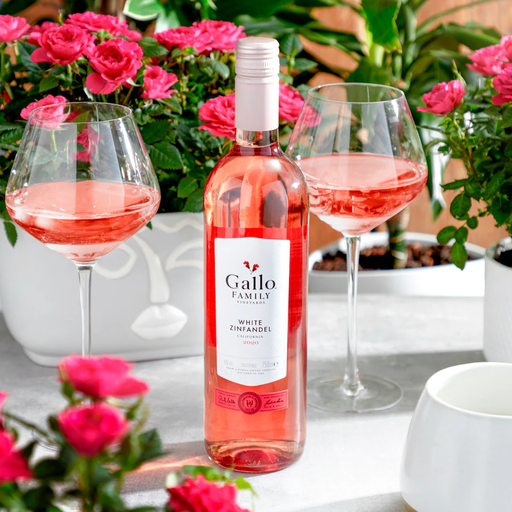
Why This Fits Their Persona: This is the ideal choice for someone hosting a BBQ, party or casual get-together in the UK. Its easy-drinking, slightly sweet profile is a proven crowd-pleaser that appeals to a wide range of guests, taking the guesswork out of your party planning.
It directly avoids the "fruity vs. sweet" confusion. As a White Zinfandel, it delivers the gentle sweetness that many people enjoy, making it a reliable and honest choice rather than a dry wine masquerading as something else.
Great value and a consistently smooth, well-balanced profile. It's a dependable bottle to have on hand for any impromptu gathering.
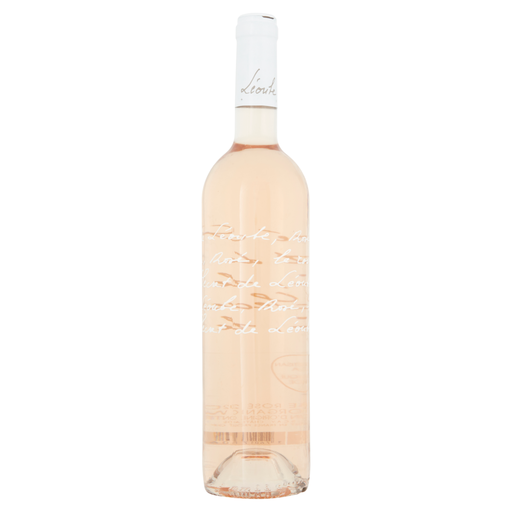
Why This Fits Their Persona: For the enthusiast who appreciates the classic style of a Provence rosé. This is perfect for pairing with a meal, such as grilled fish or a fresh salad, or for enjoying as a sophisticated aperitif on a warm evening.
This wine sidesteps the "pale is always dry" myth by being the genuine article. It is a high-quality, certified organic and authentically dry rosé from Provence, delivering on the promise of its elegant appearance and origin.
Handcrafted and organic, it offers a pure expression of its coastal terroir. Expect a crisp, elegant profile with a refreshing, joyful taste.
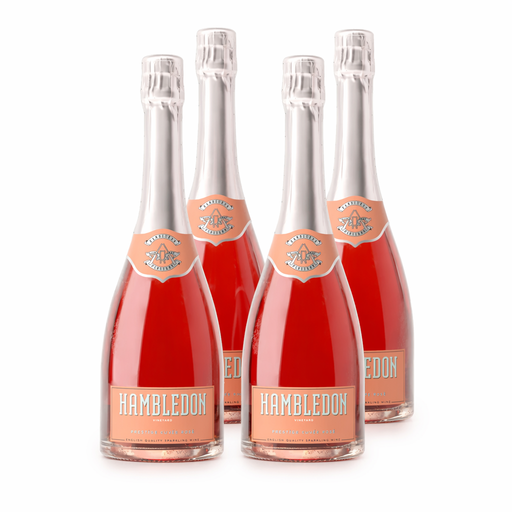
Why This Fits Their Persona: For those celebrating a special occasion or looking for a premium gift, this English rosé wine is an outstanding choice. It offers the complexity and refinement to mark a milestone, supporting local UK producers at the same time.
This choice directly counters the pitfall of overlooking regional diversity. It encourages looking beyond the usual suspects like Champagne or Prosecco to discover the exceptional quality of traditional method sparkling wine being produced right here in the UK.
Crafted in England's oldest commercial vineyard using the traditional method, it offers a fine, persistent mousse with complex notes of red berries and brioche.
We have compiled a complete, real-time list of products that fully satisfy these strict selection criteria and UK safety regulations.
Once opened, a bottle of still rosé wine should be re-corked or sealed with a wine stopper and stored in the refrigerator. It will typically stay fresh for 3 to 5 days. Lighter-bodied, more delicate rosés may lose their vibrant fruit notes more quickly than fuller-bodied styles. Sparkling rosé will lose its fizz within 1 to 3 days, even with a proper sparkling wine stopper.
Absolutely. Chilling rosé is essential to lift its aromas and accentuate its refreshing acidity. The ideal serving temperature is between 8-12°C. Serving it too cold can mute the flavours, while serving it too warm can make it seem flat and overly alcoholic. A good rule of thumb is to take it out of the fridge about 15-20 minutes before pouring.
The main difference lies in the region, grape varieties and resulting style. Provence rosé is famous for its pale pink colour and dry, elegant profile, with subtle notes of red fruit, citrus and minerals. Other rosés offer a wide spectrum of styles. For example, a Spanish rosado made from Tempranillo might be deeper in colour and more savoury, while an American White Zinfandel is typically much sweeter with pronounced strawberry flavours. Each region offers a unique take on this versatile wine.