
24/7 Customer Support

Free returns

Same-day & Next-day Delivery

Quality Guaranteed

Unlock Your Welcome Offers: FREE Delivery | Up to 80% OFF | Free 30-day JoyPlus trial
Download the APP
As the days get longer and warmer, a glass of chilled rosé wine becomes a staple for many of us. Whether for a garden barbecue, a picnic in the park or a quiet evening, its versatility is undeniable. However, when you decide to buy rosé wine online, the sheer variety can be overwhelming. Marketing jargon and popular myths often lead to disappointing purchases.
This guide, from your Joybuy Product Recommendation Officer, cuts through the jargon. We'll highlight the common pitfalls to avoid and explain the key factors to consider, helping you find a rosé that perfectly suits your taste and occasion.
Before you add a bottle to your basket, be aware of a few widespread misconceptions that can lead you astray.
To make an informed choice, focus on these three practical indicators of style and quality.
To help you navigate the options, we’ve matched some popular choices to different preferences and occasions.
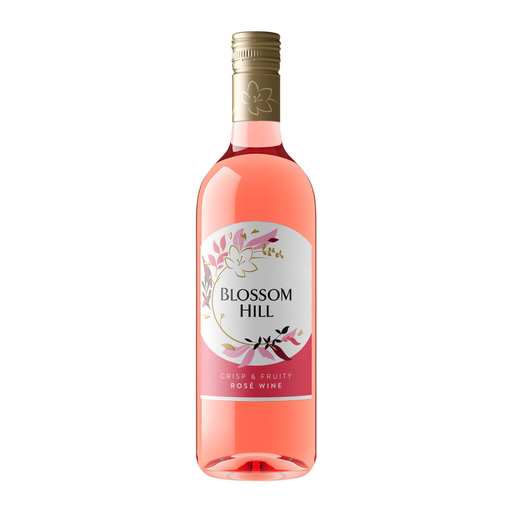
Why This Fits Their Persona: This is a reliable and approachable choice for casual gatherings, barbecues or a simple weeknight glass. It's designed to be smooth and refreshing, making it a crowd-pleaser that doesn't require deep wine knowledge to enjoy. It's also a great value option for those who are price-conscious.
It clearly labels itself as "Crisp & Fruity," managing expectations. It avoids the "pale is premium" trap by offering a straightforward, enjoyable experience without pretending to be a high-end Proven?al wine.
Great accessibility and consistency. It is also a vegan rosé wine, catering to a wider range of guests.
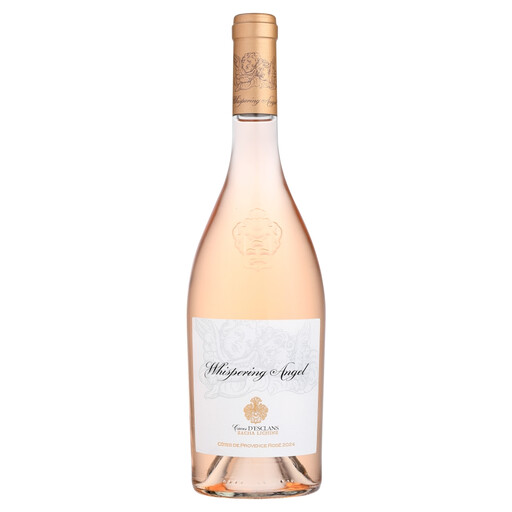
Why This Fits Their Persona: For those seeking a premium, classic style for a dinner party, celebration or as a thoughtful gift. This is the quintessential Provence rosé, known for its pale colour, elegant bottle and sophisticated flavour profile of red berries and citrus with a crisp, dry finish.
This wine is the benchmark that created the "pale is premium" perception. It delivers on the expectation of a high-quality, dry and elegant Proven?al style, justifying its reputation and price point for those who seek it.
Iconic brand recognition and consistent quality. It's a reliable choice for impressing guests or as a distinguished gift.
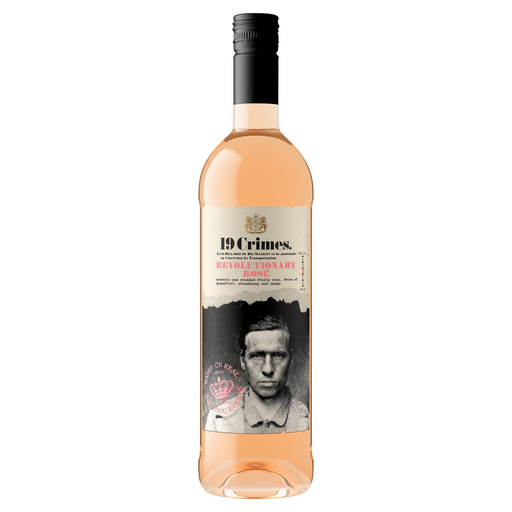
Why This Fits Their Persona: Perfect for someone who wants to break from the traditional and try a rosé with a bolder personality. This Spanish rosé offers a unique twist on a dry style, with notes of sweet spice like cinnamon and clove alongside the classic red berry flavours.
It sidesteps the region trap by proudly offering a bold Spanish style rather than mimicking a French one. Its flavour profile is clearly described as having spice, setting it apart from purely fruit-driven rosés and managing expectations.
A distinctive flavour profile that pairs well with spicier foods. It is also suitable for vegans and vegetarians.
We have compiled a complete, real-time list of products that fully satisfy these strict selection criteria and UK safety regulations.
1. What food pairs well with dry rosé wine? A dry rosé is incredibly versatile. Its bright acidity and red fruit notes make it a fantastic partner for a wide range of dishes. Think light salads, grilled fish, seafood platters, goat's cheese and charcuterie boards. It's also robust enough to stand up to grilled chicken, pork and even mildly spiced Mediterranean or Asian dishes.
2. Should rosé wine be served chilled? Yes, absolutely. Serving rosé chilled is essential to lift its aromas and accentuate its refreshing qualities. The ideal temperature is between 7-13°C. A simple way to achieve this is to refrigerate the bottle for a few hours before serving. If you're short on time, 20-30 minutes in an ice bucket filled with ice and water will do the trick.
3. How long does rosé wine last once opened? Once opened, a bottle of rosé should be re-sealed tightly (with its cork or a wine stopper) and stored in the fridge. Its fresh, delicate flavours are best enjoyed within 2-3 days. After this period, the wine will begin to lose its vibrancy and aromatic character as it oxidises.