
24/7 Customer Support

Free returns

Same-day & Next-day Delivery

Quality Guaranteed

Unlock Your Welcome Offers: FREE Delivery | Up to 80% OFF | Free 30-day JoyPlus trial
Download the APP
As a Joybuy Product Recommendation Officer, I often see shoppers navigating the vibrant world of pink drinks, from classic still rosé wine to celebratory sparkling rosé. While the choices are exciting, it's easy to be misled by common marketing tactics or confusing labels. The goal is to find a bottle that genuinely suits your taste and occasion, whether you're planning a garden party, a quiet evening in or looking to buy rosé wine online for a gift.
This guide cuts through the clutter, highlighting the frequent pitfalls UK consumers encounter and providing clear, practical advice to help you select a drink you'll truly enjoy.
Before you add a bottle to your basket, be aware of these common traps that can lead to a disappointing purchase.
To ensure you get the right bottle, focus on these key parameters instead of just the label design or colour.
The amount of residual sugar determines how sweet a wine tastes. Understanding these terms is crucial for matching a bottle to your palate.
The grape variety and where it's grown have a significant impact on the final flavour.
For those seeking an alcohol free sparkling rosé, it's important to know what you're buying.
Based on these practical criteria, here are a few recommendations tailored to different needs and occasions.

Why This Fits Their Persona: This is for the host who wants to ensure all guests feel included in the celebration. It offers the look and feel of a premium sparkling wine, making it a sophisticated choice for baby showers, designated drivers or anyone practising mindful drinking.
It directly counters the pitfall of settling for simple soft drinks by providing a genuinely crafted alcohol free sparkling rosé experience, ensuring no guest feels left out.
Made from carbonated water and grape juice concentrate, it delivers bright notes of summer berries with a crisp, clean finish, all without the alcohol.
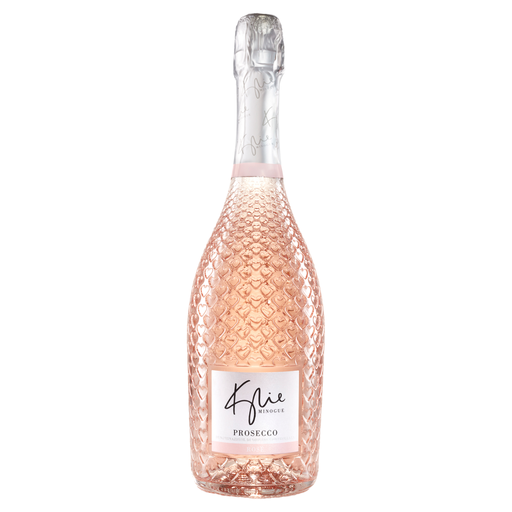
Why This Fits Their Persona: Ideal for brunches, parties and social gatherings, this rosé prosecco is a stylish crowd-pleaser. It combines the popularity of Prosecco with the summery appeal of rosé, backed by a well-known and fashionable brand.
As a Prosecco Rosé, its style is clearly defined, helping to manage expectations around sweetness. It delivers the expected crisp, fruity and sparkling experience, avoiding the "fruity vs. sweet" confusion.
This wine offers an invigorating bouquet of strawberries and raspberries with a fine, crisp palate. It's an elegant and refreshing choice for any celebration.

Why This Fits Their Persona: For milestone moments like anniversaries, engagements or significant achievements, this iconic Rosé Champagne is a statement of quality and heritage. It's for the person who wants an uncompromisingly premium and memorable experience.
Its quality is defined by its complex blend of grapes and centuries of craftsmanship, not its colour. This sidesteps the "pale is premium" myth, as its value lies in its rich, structured flavour profile.
A harmonious blend of Pinot Noir, Pinot Meunier and Chardonnay grapes. It offers an intense bouquet of red fruits like strawberry and cherry with a refined, balanced palate.
We have compiled a complete, real-time list of products that fully satisfy these strict selection criteria and UK safety regulations.
Once opened, a bottle of still rosé wine should be re-sealed tightly (a wine stopper is ideal) and stored in the fridge. It will typically stay fresh for 3 to 5 days. Sparkling rosé will lose its fizz much faster, usually within 1 to 3 days, even with a proper sparkling wine stopper.
Yes, rosé is intended to be served chilled to enhance its fresh, crisp and fruity characteristics. For still rosé, a temperature of 7-13°C is ideal. For sparkling rosé and rosé prosecco, serve it colder, between 5-7°C, to preserve the fine bubbles and crispness.
The main difference lies in the bubbles and the production method. A standard rosé wine is a still wine (without carbonation). A rosé prosecco is a type of sparkling wine from a specific region in Italy, made primarily from Glera grapes with a small amount of Pinot Noir to give it the pink colour and red berry notes. Both are pink drinks, but one is still and the other is fizzy.