
24/7 Customer Support

Free returns

Same-day & Next-day Delivery

Quality Guaranteed

Unlock Your Welcome Offers: FREE Delivery | Up to 80% OFF | Free 30-day JoyPlus trial
Download the APP
Navigating the world of Japanese sake can feel overwhelming, especially with a growing number of options available online in the UK. It’s easy to be swayed by beautiful labels or vague marketing terms, only to end up with a bottle that doesn’t suit your taste or occasion. As a Joybuy Product Recommendation Officer, my role is to help you see past the hype and make informed choices. This guide will highlight common purchasing mistakes and clarify the essential factors to consider, ensuring your next bottle of Japanese rice wine is a perfect fit.
Many UK shoppers fall into the same traps when purchasing sake. Being aware of them is the first step towards a better buying experience.
To choose with confidence, focus on these three key parameters. They provide a reliable framework for understanding what’s inside the bottle.
This is the most important indicator of a sake's style and quality. The percentage you see on a bottle (e.g., 45%, 39%, 23%) refers to the Seimai Buai, or rice polishing ratio—the amount of the original rice grain that remains after polishing. A lower number means more of the grain has been polished away, removing fats and proteins that can cause rough flavours and leaving the pure starch heart.
Just like with wine, the reputation of the brewery and the characteristics of the region matter. Breweries like Dassai from Yamaguchi and Kubota from Niigata are renowned for their consistent quality and distinct styles. For example, Niigata is famous for its tanrei karakuchi (crisp and dry) profile, a result of its soft water and cold winters. Choosing a sake from a respected brewery provides a degree of assurance about the craftsmanship.
How you plan to enjoy the sake should guide your selection.
Here are a few recommendations matched to different needs, helping you find the right bottle without the guesswork.
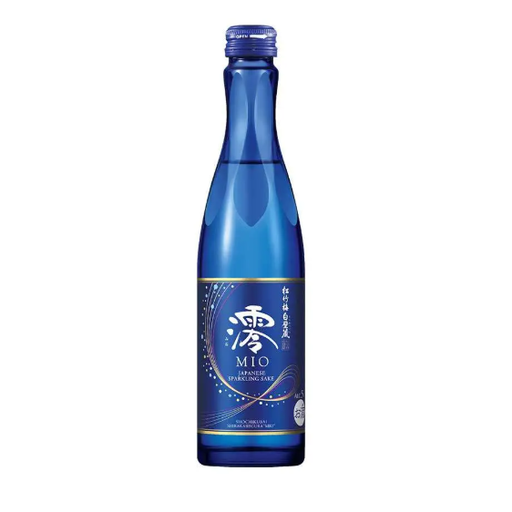
Why This Fits Their Persona: Perfect for someone new to sake in the UK. Its light, fruity and gently sweet profile is immediately enjoyable and less intimidating than traditional styles. It's ideal for a casual evening or as a celebratory drink instead of prosecco.
Its identity as a sparkling sake is clear, avoiding confusion. The style is designed to be served chilled, naturally sidestepping the myth that all sake should be warmed.
Lightly effervescent with notes of pear and green apple. Its low 5% ABV makes it a very approachable aperitif.
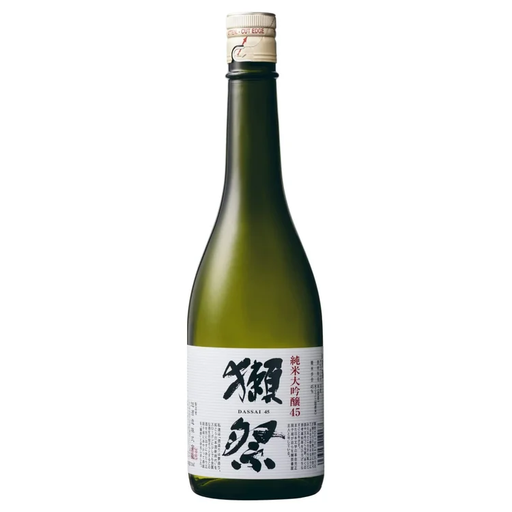
Why This Fits Their Persona: For those who appreciate the finer details, this is a benchmark for high-quality sake. It's from a world-renowned brewery and offers the refined, aromatic profile expected of a top-tier Junmai Daiginjo, perfect for pairing with a special meal.
It cuts through the "premium" label trap by clearly stating its classification (Junmai Daiginjo) and rice polishing ratio (45%), providing verifiable quality markers.
Delivers a classic, elegant balance of fruity notes (white peach, pear) and rich rice umami with a silky, clean finish. A true expression of its classification.
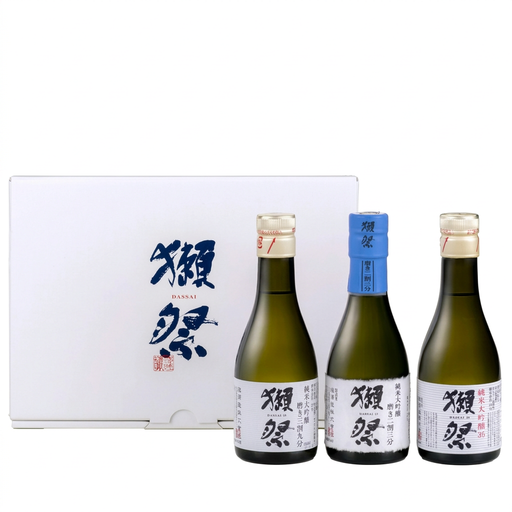
Why This Fits Their Persona: This is more than a gift; it's an experience. It allows the recipient to explore the impact of rice polishing on flavour, making it an engaging and educational present for anyone interested in Japanese culture or fine beverages.
This sake gift set directly tackles the "premium" label trap by providing a tangible comparison between Dassai's 45, 39 and 23 polishing ratios, demonstrating what quality really means.
Includes three distinct, high-quality Junmai Daiginjo sakes in one elegant package. It offers a guided tasting journey from a world-class producer.
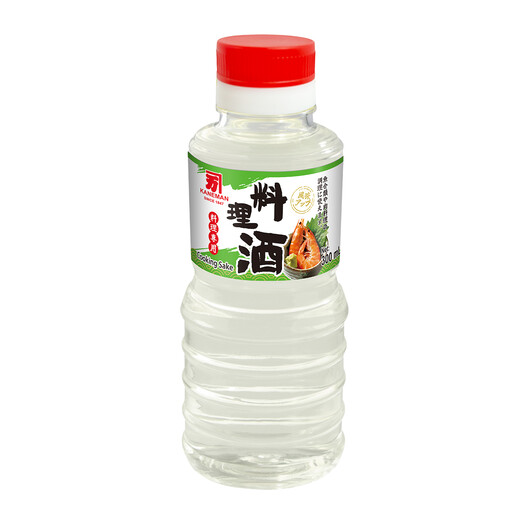
Why This Fits Their Persona: For anyone serious about making authentic Japanese food at home, this is a kitchen staple. It's designed to add depth and flavour to marinades, glazes and stews, from teriyaki to sukiyaki.
This product is explicitly labelled as Cooking Sake and its description clearly states it is a seasoning, not for drinking. This completely eliminates the risk of confusing it with a beverage.
An essential seasoning for enhancing umami, tenderising meat, and removing unwanted odours from fish and poultry in Japanese and other Asian cuisines.
We have compiled a complete, real-time list of products that fully satisfy these strict selection criteria and UK safety regulations.
For most premium sakes, especially Ginjo and Daiginjo, proper storage is key to preserving their delicate flavours. Before opening, store the bottle upright in a cool, dark place away from direct sunlight and temperature fluctuations, like a pantry or cellar. Once opened, the bottle should be tightly sealed and kept in the refrigerator. It is advisable to consume it within one to two weeks to enjoy it at its freshest.
While both are popular Japanese alcoholic beverages, they are fundamentally different. Sake is a brewed Japanese rice wine, made by fermenting rice. Its flavour profile can range from dry and crisp to rich and savoury. In contrast, Japanese plum wine, or Umeshu, is a liqueur. It is typically made by steeping unripe ume plums in alcohol (like shochu or brandy) and sugar. The result is a much sweeter, fruit-forward drink with a distinct tangy and syrupy character.
You can, but it's not always the most practical or economical choice. Dedicated cooking sake (ryorishu) is formulated specifically for culinary use. It contains salt and other ingredients that help to tenderise proteins and add a deep umami flavour that holds up to heat. Using an expensive drinking sake like a Junmai Daiginjo in a stew would be a waste of its delicate aromas, which would be lost during the cooking process. For authentic flavour in your dishes, a purpose-made cooking sake is the recommended option.