
24/7 Customer Support

Free returns

Same-day & Next-day Delivery

Quality Guaranteed

Unlock Your Welcome Offers: FREE Delivery | Up to 80% OFF | Free 30-day JoyPlus trial
Download the APP
From the centrepiece of a full English breakfast to the heart of classic bangers and mash, sausages are a staple in many UK households. Yet, when you buy sausages online, the sheer variety can be overwhelming. Navigating the digital butcher's counter means cutting through the clutter to find what you're really looking for, whether that's a high-welfare pork sausage, a flavourful vegan alternative or something more adventurous.
Many of us have been disappointed by sausages that shrink to nothing in the pan, lack any real flavour or have a texture that just isn't right. To help you make a better choice for your next meal, we're highlighting the common traps to avoid and the key factors to check before you add to your basket.
To avoid the pitfalls, focus on a few non-negotiable details. Analysing these factors will ensure the sausages you choose meet your expectations for flavour, quality and dietary needs.
This is the most important indicator of quality.
The type of sausage dictates its use and cooking character.
Based on clear specifications and suitability for different household needs, here are a few recommendations from our current selection.
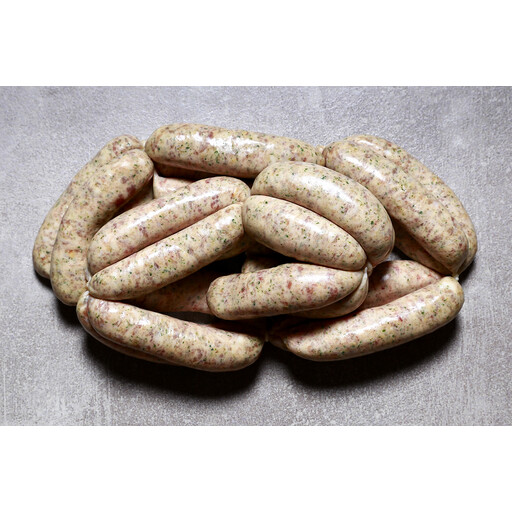
Why This Fits Their Persona: Ideal for those who appreciate a proper British sausage for a weekend breakfast or hearty bangers and mash. This is a butcher-quality product focused on high-welfare pork and classic flavour.
With a clearly stated 84% pork content, it bypasses the low-meat filler trap. The "Cumberland" name provides a specific, peppery flavour expectation, avoiding vague seasoning claims.
Made with high-welfare pork and filled into a natural hog casing for a traditional texture and snap. The seasoning blend includes herbs and spices for an authentic taste.

Why This Fits Their Persona: A great choice for vegetarians, flexitarians or anyone seeking a reliable meat-free sausage that doesn't compromise on texture. It's a versatile option for family meals.
This product directly addresses the "plant-based texture gamble." Its primary ingredient is Mycoprotein (41%), which is known for providing a firm, juicy bite that avoids the mushiness of some other meat-free alternatives.
High in protein and a source of fibre. The mycoprotein base is produced sustainably, offering a choice with a lower environmental footprint.
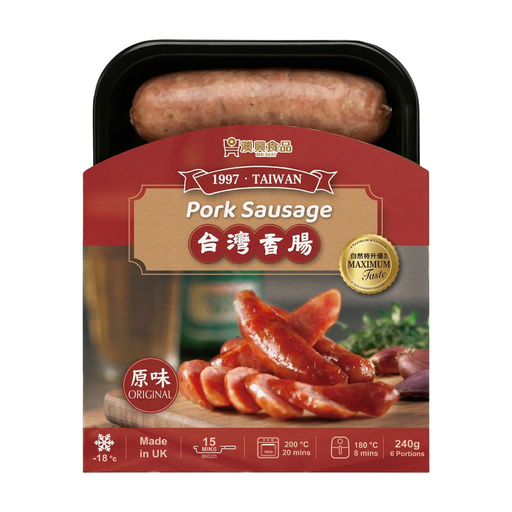
Why This Fits Their Persona: Perfect for cooks looking to explore global flavours beyond the standard British banger. This sausage introduces the unique sweet and savoury profile of Taiwanese cuisine.
The description "Authentic Taiwanese sausage" with notes of rice wine and spices avoids the vague seasoning trap by setting a clear and distinct flavour expectation. It also has a high 88% pork content.
Offers an authentic, distinct flavour profile that is both savoury and slightly sweet. It's highly versatile for pan-frying, grilling or slicing into stir-fries and noodle dishes.
We have compiled a complete, real-time list of products that fully satisfy these strict selection criteria and UK safety regulations.
Yes, many frozen sausages are specifically designed to be cooked from the freezer, which is a great convenience for busy households. However, it is essential to check the cooking instructions on the product's packaging, as methods can vary. Generally, cooking from frozen will require a longer time, often around 20-25 minutes in a preheated oven, to ensure the sausage is cooked through to the centre.
These are two classic British regional sausages with distinct characteristics. A Cumberland sausage is traditionally long and coiled, not linked, and its dominant seasoning is pepper, giving it a spicy kick. A Lincolnshire sausage is a linked sausage with a predominantly herby flavour profile, with sage being the most prominent ingredient.