
24/7 Customer Support

Free returns

Same-day & Next-day Delivery

Quality Guaranteed

Unlock Your Welcome Offers: FREE Delivery | Up to 80% OFF | Free 30-day JoyPlus trial
Download the APP
Buying seeds online in the UK covers several very different needs. You may be repairing a worn lawn, stocking up on cooking seeds or looking for lotus seeds, beans and healthy snacks for your pantry. The difficulty is that attractive packaging and phrases such as “fast”, “premium” or “nutrient-rich” do not always tell you whether a product suits your actual use.
A practical buying decision starts with three checks: what the pack is designed to do, how much it contains and how it must be stored or prepared.
A large-looking bag of lawn seed may not cover the area you need. Coverage depends on the sowing rate and whether the product is intended for a new lawn, overseeding or lawn seed for patchy grass. A 25m² pack and an 80m² pack serve very different gardens, even if both are described as fast-germinating lawn seed.
Before ordering, measure the area and compare the stated coverage. For bare patches, you may not need a large pack; for a new lawn or extensive renovation, buying too little can lead to uneven growth and another delivery charge.
Fast-germinating lawn seed still depends on soil contact, moisture, temperature, light and preparation. Seed that can germinate from a lower temperature may offer more flexibility, but it will not remove the need to rake the soil, water consistently and protect newly sown areas from heavy traffic.
Check whether the listing gives useful information such as minimum germination temperature, suitable light conditions and an applicator for even distribution.
Lotus seeds, mung beans, adzuki beans and coix seeds are generally sold as dried ingredients unless the packaging says they are ready to eat. They normally require rinsing, soaking and thorough cooking. By contrast, roasted fox nuts, pumpkin seeds and sunflower seeds may be ready to eat.
Also check ingredients, allergens, net weight, best-before information and storage instructions. A resealable pack is useful, but it does not replace storing the contents in a cool, dry place.
For lawn seed, compare:
For edible products, pack size should match your use. A 20g or 40g cooking spice may suit occasional recipes, while 400g beans or multi-pack chia seeds are more practical for regular cooking.
Read the usage section rather than relying on the product name. Fennel, nigella, coriander, cumin and fenugreek seeds are cooking seeds used whole, toasted or ground. Lotus seeds and beans require cooking. Coix seeds are raw grain ingredients that should be washed, soaked and fully cooked before eating.
For snacks, check whether the product is ready to eat, roasted, flavoured or sold in shells. Flavoured pumpkin and sunflower seeds can contain salt, sugar or seasoning, so compare the ingredient list with your dietary preferences.
Dried seeds and grains generally need a sealed, cool, dry and well-ventilated location, away from moisture, pests and direct sunlight. Some ground or blended products may have different instructions. For example, a seed-and-berry blend may need refrigeration after opening and consumption within the stated period.
Always use the packaging as the final reference for best-before dates, allergen information and preparation guidance, particularly if the online listing and pack differ.
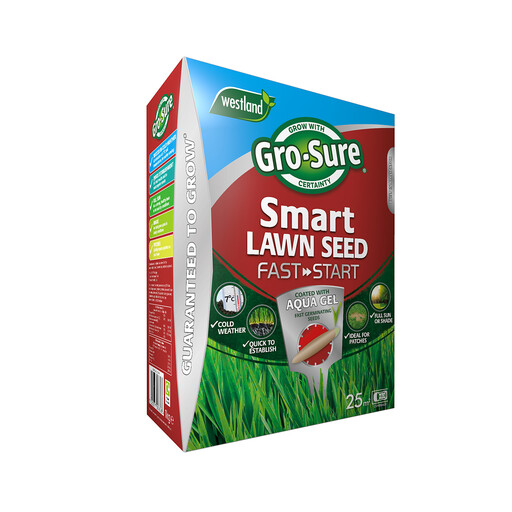
Why This Fits Their Persona: The 25m² coverage suits smaller UK gardens and targeted repairs without committing to a larger pack.
The stated coverage makes it easier to match the quantity to a patchy area, while the built-in applicator supports more controlled distribution.
Aqua Gel coating; suitable for full sun or shaded areas according to the product description.
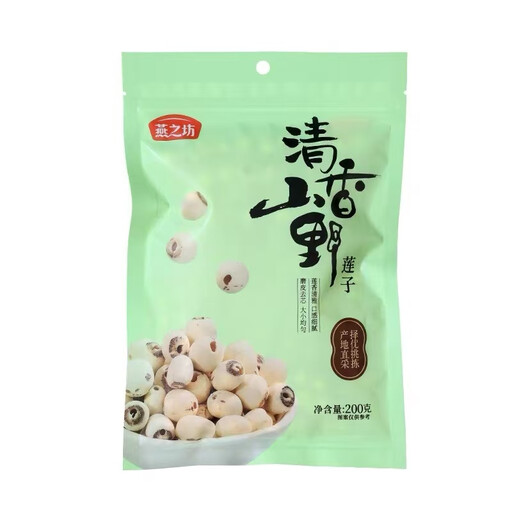
Why This Fits Their Persona: A 200g pack is suited to cooks who regularly prepare soups, porridge or traditional desserts.
The listing identifies a single ingredient and gives clear cool, dry storage guidance, helping avoid unclear blended products.
100% lotus seeds; requires cooking and can be used in several Chinese-style dishes.
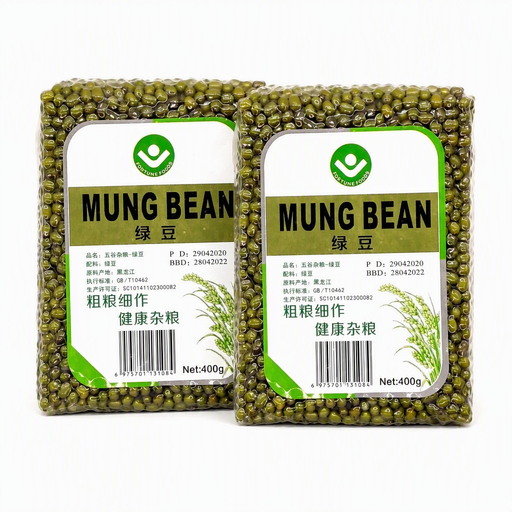
Why This Fits Their Persona: The two-pack works for frequent cooks making mung bean soup, paste, desserts or sprouts.
The pack quantity is explicit, and the listing states that these dried beans require soaking and thorough cooking before consumption.
800g total quantity; suitable for cooking and sprouting applications.
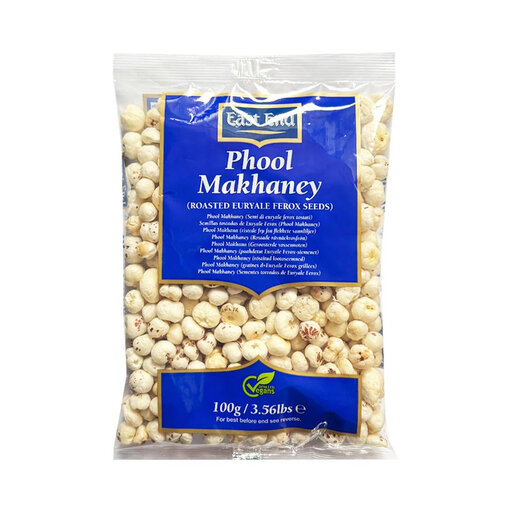
Why This Fits Their Persona: Roasted fox nuts are convenient for office drawers, family sharing or adding crunch to yoghurt and cereal.
The product is described as ready to eat, unlike raw beans and grains, and the storage guidance addresses moisture and crispness.
100g pack; roasted Euryale ferox seeds with no listed artificial additives.
We have compiled a complete, real-time list of products that fully satisfy these strict selection criteria and UK safety regulations.
If your cooking needs are more specific, compare fennel seeds for aromatic stuffings and soups, coriander seeds for curries and tagines, cumin seeds for marinades and grilling or fenugreek seeds for dals, pickles and spice blends. Nigella seeds add a peppery, onion-like note to breads and vegetable dishes.
For breakfast and baking, whole chia seeds and mixed flaxseed, sunflower, pumpkin and chia blends offer different textures and serving formats. Check the allergen statement, especially where a blend may contain sesame, mustard, nuts or soya. Flavoured pumpkin seeds and five-spice sunflower seeds are ready-to-eat options, but their seasoning means they should be compared with plain seeds if you are monitoring salt or sugar intake.
Start with the intended use, net quantity, storage instructions and preparation requirements. For lawn seed, check square-metre coverage and recommended sowing conditions. For food, check ingredients, allergens, best-before details and whether cooking is required.
Sowing is usually easier when the soil is warm enough and moisture is available, commonly during spring or early autumn. Products that list germination from around 7°C may provide a wider sowing window, but avoid waterlogged or frozen soil and follow the pack instructions.
Shelf life varies by product and packaging. Keep dried food ingredients sealed in a cool, dry place and follow the printed date. Refrigerate products where instructed, such as certain seed-and-berry blends. For lawn seed, reseal the bag and store it dry, using the manufacturer’s guidance before the next sowing season.