
24/7 Customer Support

Free returns

Same-day & Next-day Delivery

Quality Guaranteed

Unlock Your Welcome Offers: FREE Delivery | Up to 80% OFF | Free 30-day JoyPlus trial
Download the APP
Navigating the world of sherry can feel surprisingly complex. With labels mentioning everything from "Cream" to "Pale Cream" and origins spanning from Spain to the UK, it is easy to end up with a bottle that doesn't quite match your expectations, whether you plan to sip it chilled or use it as the secret ingredient in a classic trifle. Many shoppers find themselves paying for a well-known name when a more suitable option was available, or choosing a style that simply doesn't fit the occasion.
As the Joybuy Product Recommendation Officer, my role is to help you understand the key distinctions. This guide will break down the common pitfalls and clarify the essential factors to consider, ensuring your next online sherry purchase is a confident one.
Before adding a bottle to your basket, be aware of these frequent misunderstandings that can lead to a disappointing purchase.
To avoid these traps, focus on these two non-negotiable parameters. Understanding them will empower you to select a bottle that perfectly suits your needs.
Sherry is not a single drink but a spectrum of wines. The main distinction lies between dry and naturally sweet styles.
How you plan to use the sherry is the most practical consideration.
Based on these practical considerations, here are a few recommendations matched to different needs and preferences.

Why This Fits Their Persona: This is the quintessential cream sherry, a household name in the UK for a reason. It's a reliable and versatile choice for serving to guests, enjoying after dinner, or keeping in the cabinet for a classic tipple. Its consistent quality makes it a go-to for those who appreciate tradition.
It sets the standard for cream sherry, so you know exactly what flavour profile you are getting. This avoids the pitfall of buying a mislabelled or confusingly described bottle.
Features a complex, velvety profile of dried figs, dates and nuts from its traditional solera aging. It is also suitable for vegetarians and vegans.
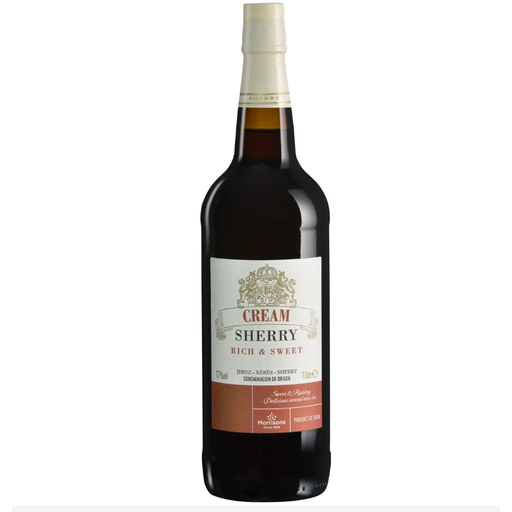
Why This Fits Their Persona: This user needs a reliable, flavourful sherry for recipes without the premium price tag. This 1-litre bottle offers excellent value and is explicitly noted as being "great trickled into a retro trifle," making it a perfect kitchen staple for the savvy home cook.
It directly counters the pitfall of overpaying for a big brand name when the primary use is cooking. It provides the right flavour profile for recipes at a fraction of the cost.
Excellent value in a large 1L format. Its rich raisin and caramel flavour is specifically suited for enhancing desserts and puddings.
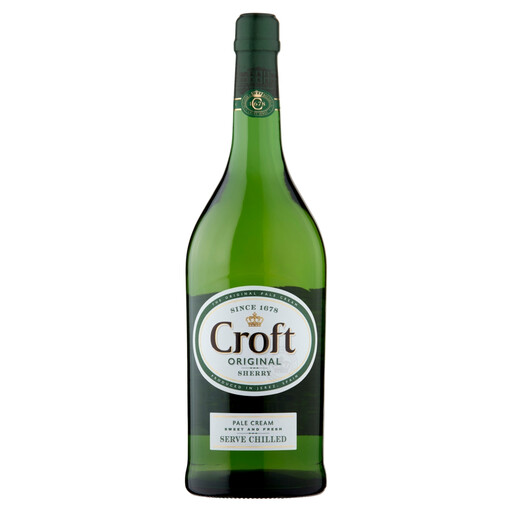
Why This Fits Their Persona: For those who find traditional cream sherry too heavy, Croft Original offers a lighter, crisper alternative. It's designed to be served well-chilled, making it an ideal, refreshing aperitif for social gatherings or a quiet evening. It's a great entry point into the world of sherry.
This directly addresses the "one-size-fits-all" myth by providing a distinct, lighter style. It shows that there is a sherry for every palate, not just the traditional rich and sweet profile.
A balanced, easy-drinking profile with a clean, refreshing finish. Its versatility makes it suitable for serving on its own or with light snacks.
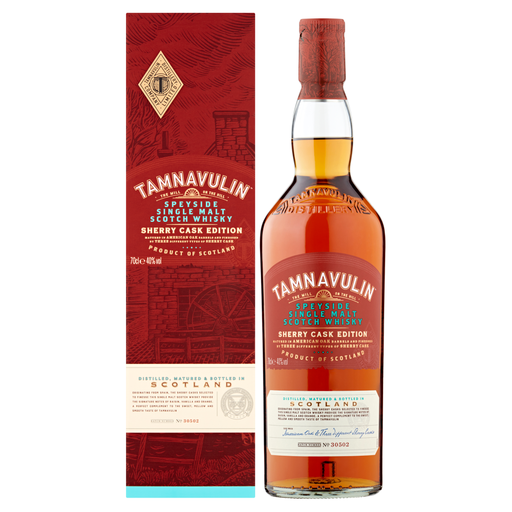
Why This Fits Their Persona: This user is specifically interested in the influence of sherry on whisky. This Tamnavulin single malt is finished in three different types of sherry casks, offering a direct and delicious exploration of how those casks impart notes of raisin, orange and spice onto a classic Speyside spirit.
It clarifies the distinction between drinking sherry and drinking a sherry cask-matured spirit, helping users purchase exactly what they are looking for without confusion.
Offers a warm, sweet, and smooth profile with complex layers of maple syrup, raisin and orange. An approachable yet flavourful entry into sherry cask whiskies.
We have compiled a complete, real-time list of products that fully satisfy these strict selection criteria and UK safety regulations.
The lifespan of an open bottle of sherry depends on the style. Lighter, drier styles like Fino and Manzanilla are more delicate and should be refrigerated and consumed within a week. Richer, oxidised styles like Cream Sherry and Oloroso are more robust; once opened, they can last for several weeks in a cool, dark place or the fridge.
Yes, in most cases. Pale Cream Sherry and other lighter styles are best served well-chilled (around 7-10°C) to enhance their freshness. Darker styles like Cream Sherry can be enjoyed slightly chilled (around 12°C) or over ice, which is a popular way to serve it in the UK.
While you can technically use any sherry, a cream sherry is the traditional and recommended choice. Its sweetness and rich, raisiny flavour profile are a perfect complement to the sponge, fruit and custard in a classic British trifle. Using a very dry sherry would result in a noticeably different, less sweet, and more savoury flavour.