
24/7 Customer Support

Free returns

Same-day & Next-day Delivery

Quality Guaranteed

Unlock Your Welcome Offers: FREE Delivery | Up to 80% OFF | Free 30-day JoyPlus trial
Download the APP
Buying snacks online can save time, widen your choice and make it easier to stock up for work, lunchboxes, travel or sharing. However, product pages often place more emphasis on flavour and lifestyle language than on the details that affect suitability and value.
This guide explains what to check before you buy snacks online in the UK, from allergens and sweeteners to pack formats and portion information. It also highlights a selection of options for different shopping needs, including Korean seaweed snacks, sugar-free biscuits, fruit and nut bars, popped crisps and protein bars.
A sugar-free label does not mean a product is calorie-free or automatically suitable for every diet. For example, Oreo Zero Sugar Sandwich Cookies list 0g sugars per 100g, but provide 442 kcal per 100g and use maltitol as a sweetener. Gullon Zero Sugar Free Original Digestives contain less than 0.5g sugars per 100g, while still providing 430 kcal per 100g.
Products containing polyols such as maltitol or isomalt may also carry a warning that excessive consumption can produce a laxative effect. Check the full nutrition panel and serving size rather than relying on front-of-pack wording.
Fruit and nut bars can contain recognisable ingredients, but dried fruit naturally contributes sugar. Nakd Blueberry Muffin bars contain dates, raisins, cashews, almonds and blueberries, with 17g of sugars per 35g bar. That does not make them unsuitable, but it is important context when comparing them with low-sugar biscuits or savoury snacks.
Likewise, a protein bar may be more filling for some occasions, but it can also contain added sugars, syrups or a relatively high energy value. KIND Protein Crunchy Peanut Butter provides 8.4g protein per 42g bar, alongside 199 kcal and 6.3g sugars.
Korean seaweed snacks and other international foods can contain soya, wheat, sesame, milk or shellfish-related ingredients, depending on the seasoning. Always read the current packaging and allergen statement before purchase, particularly if buying for children, guests or someone with a diagnosed allergy.
A product can also be unsuitable for a gluten-free diet even when it appears light or vegetable-based. Soy sauce commonly contains wheat, while wheat, rye and barley are present in several crispbread-style products.
Compare both the total weight and the number of individual servings. A 15g pack containing three 5g packets, such as CJ Bibigo Crispy Seaweed Snack Bulgogi Flavour, can be useful for portion control and freshness. A 400g biscuit pack may offer better cupboard value for sharing, but requires sensible serving management once opened.
For lunchboxes, commuting and travel, individually wrapped cereal bars or multipack snacks are often more practical than a large open bag. Check whether the individual units are sealed and whether the product needs resealing after opening.
UK food labels commonly show values per 100g and sometimes per portion. Use both figures:
For example, PopChips Sour Cream & Onion lists 99 kcal per 23g serving, whereas Eat Real Sea Salt Lentil Chips provide 13g protein per 100g but also 2.4g salt per 100g. Neither figure should be viewed in isolation.
If you need gluten-free snacks, look for a clear gluten-free statement and review the allergen declaration. Eat Real Sea Salt Lentil Chips are listed as plant-based and naturally gluten-free, although they may contain soya and celery. By contrast, Ryvita Snack It Thins contain wheat, rye and barley.
For sugar-free biscuits, check which sweeteners are used and read any consumption warning. For vegan or dairy-free requirements, do not assume that a savoury snack or dark-looking biscuit is suitable: verify the ingredients and “may contain” information.
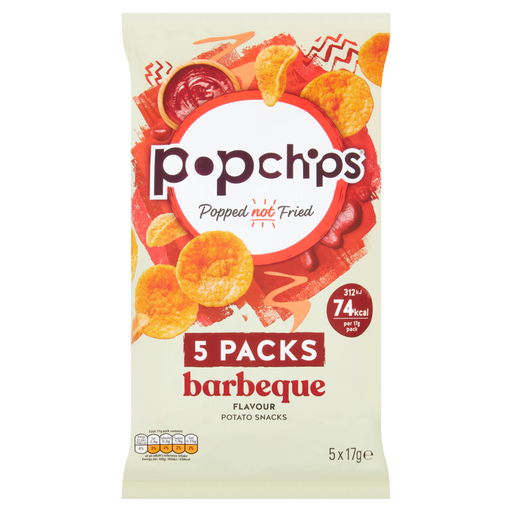
Why This Fits Their Persona: Five individual 17g bags suit shoppers building a convenient snack drawer, lunchbox supply or sharing selection without opening one large bag.
The multipack makes portion size visible rather than leaving the serving amount unclear in a large sharing bag.
Five packs; barbecue seasoning; listed at 436 kcal per 100g.
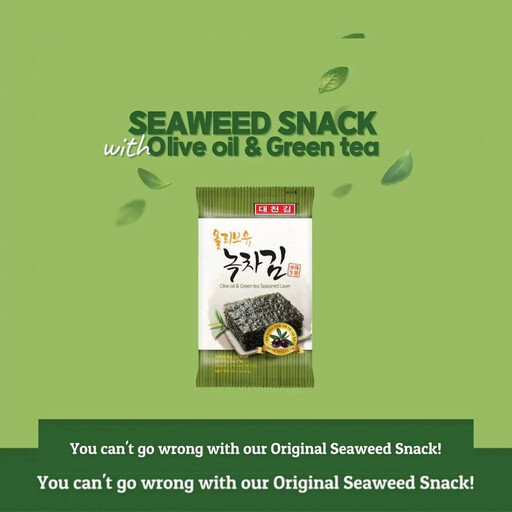
Why This Fits Their Persona: A Korean-inspired option for shoppers seeking a distinctive roasted seaweed snack for lunch, rice dishes or an afternoon break.
The listing provides a defined 4g pack serving and identifies soya and wheat allergens, helping buyers check suitability before ordering.
Individual Dosirak packs; approximately 16 kcal per 4g pack; olive oil and green tea flavour profile.
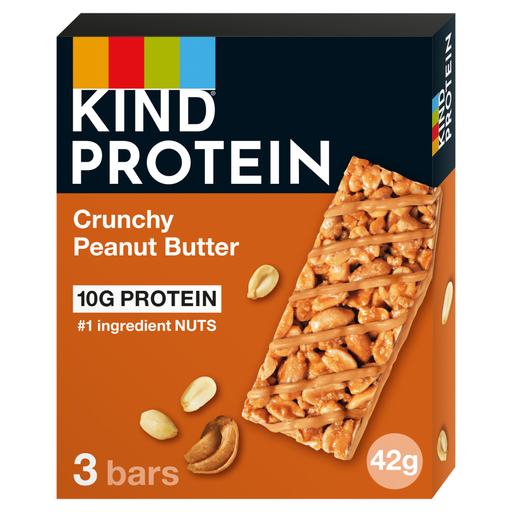
Why This Fits Their Persona: A portable option for commuters, gym-bag storage or shoppers comparing protein bars for active routines.
The nutrition panel shows protein, energy, sugars and fibre per bar, rather than presenting “protein” as the only decision point.
8.4g protein and 3.8g fibre per 42g bar; three individually sized bars.
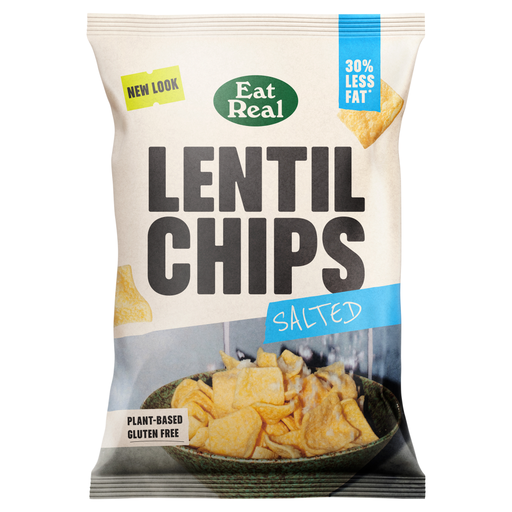
Why This Fits Their Persona: A savoury, plant-based choice for picnics, desk snacks and sharing, with a lentil-based recipe rather than a standard potato crisp.
It states the lentil flour percentage and provides nutrition and possible soya and celery information for a more informed comparison.
Lentil flour makes up 43% of the ingredients; listed as plant-based and naturally gluten-free.
We have compiled a complete, real-time list of products that fully satisfy these strict selection criteria and UK safety regulations.
They should display required food information, including ingredients, allergens, net quantity, storage guidance and best-before details. Always check the product packaging on arrival, as formulations and labels can change.
Individually wrapped protein bars, fruit and nut bars, multipack snacks and small seaweed packets are easy to carry. Choose products with clear storage instructions and reseal larger packs promptly after opening.
Not necessarily. Sweeteners can replace sugar while the biscuit still contains flour, fats and carbohydrates. Compare energy, portion size and the full ingredient list before ordering.