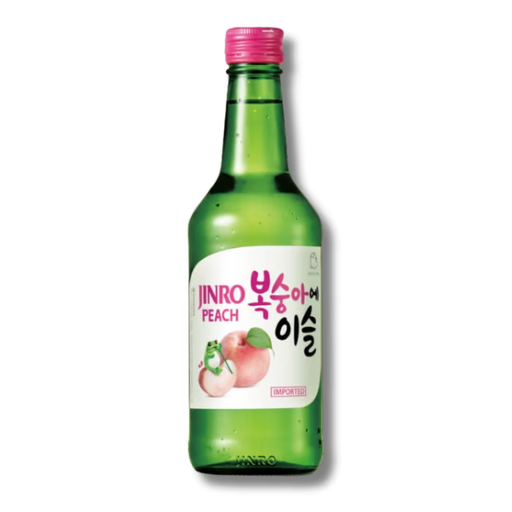
As a Joybuy Product Recommendation Officer, my role is to help you navigate the crowded market of Korean alcohol. With the rising popularity of K-dramas and K-pop, Korean soju has become a staple at house parties and dinners across the UK. However, its sudden fame means the market is flooded with options, making it easy to choose a bottle that disappoints. Many first-time buyers fall into common traps, ending up with a drink that's either too harsh, artificially sweet or simply not right for their occasion.
This guide cuts through the marketing clutter. We will break down the essential factors to consider before you buy soju online in the UK and help you avoid these common purchasing pitfalls:
- The "Syrupy Sweetness" Trap: Many mass-market flavoured soju options rely on artificial sweeteners to mask a low-quality base spirit. This results in a cloying, unbalanced drink that lacks the clean finish of authentic soju.
- Ignoring the Alcohol Content (ABV): Shoppers often assume all soju is the same strength. In reality, the alcohol percentage can range from a mild 13% in flavoured varieties to over 20% in classic soju. Choosing the wrong ABV can lead to a drink that's either too weak for a cocktail or too strong for casual sipping.
- Paying a Premium for the Wrong Purpose: Not all expensive soju is suitable for every situation. Buying a high-end, premium soju distilled from 100% rice is unnecessary if you plan to mix it into a fruity cocktail, where its subtle notes will be lost.
Core Factors to Check Before Buying Soju
To ensure you get a bottle you'll genuinely enjoy, focus on these three key parameters. They are the true indicators of quality and suitability, far more than just a flashy label.
1. Alcohol by Volume (ABV)
The strength of soju is a primary indicator of its style and intended use. Understanding this helps you match the bottle to the occasion.
- 13% ABV: This is the standard for most flavoured soju (like peach soju or green grape soju). This lower alcohol content makes them smoother, sweeter and easier to drink neat. They are designed for social sipping and are a great entry point for those new to spirits.
- 16-17% ABV: This is the modern standard for classic soju, such as Chamisul Fresh. It offers a clean taste with a noticeable but not overwhelming warmth. This versatility makes it excellent for drinking straight with food or as a base for simple soju cocktails.
- 20%+ ABV: This is the territory of traditional or classic soju styles. These have a more robust and spirit-forward character. They are often preferred by seasoned soju drinkers and are excellent for pairing with rich, oily foods like Korean BBQ, as the higher alcohol content cuts through the fat.
- 25%+ ABV: This category is reserved for premium soju, which is often crafted for sipping neat, much like a fine whisky or sake. These are typically made from higher-quality ingredients like 100% rice.
2. Base Ingredients and Filtration
The smoothness and cleanness of a soju are determined by what it's made from and how it's purified.
- Base Ingredients: While traditional Korean rice wine was the origin, modern soju is distilled from various starches, including rice, tapioca, sweet potato and barley. Soju made with a higher proportion of rice tends to have a cleaner, subtly sweeter profile.
- Filtration Method: Reputable brands like Jinro soju often highlight their filtration process. A common method is filtering the spirit through bamboo charcoal. This process removes impurities and fusel oils that cause harshness and hangovers, resulting in an exceptionally smooth and clean finish. When a brand specifies its multi-stage filtration, it's usually a sign of commitment to a smoother product.
3. Flavour Profile: Natural vs. Artificial
For flavoured soju, the quality of the flavouring is paramount.
- Natural Extracts: Look for products that use natural fruit juice or extracts. This results in a more authentic and balanced taste that complements the soju base rather than overpowering it. The sweetness is refreshing, not cloying.
- Zero Sugar Options: A growing trend is zero sugar soju. These products are perfect for those who want a clean, crisp drinking experience without the added sugars found in many standard and flavoured sojus. They offer the classic soju profile in a more modern, health-conscious format.
Our Top Product Recommendations
Based on these practical criteria, we have matched several soju options to different types of drinkers and occasions.
MATCH FOR: The Social Entertainer
Why This Fits Their Persona: Perfect for house parties, picnics or introducing friends to Korean alcohol. Its gentle sweetness and low ABV make it a crowd-pleaser that's easy to enjoy without any harsh spirit taste, aligning with the fun, social vibe seen in K-dramas.
How It Avoids the Trap
It avoids the "syrupy sweetness" trap by using natural peach essence, which provides a refreshing and aromatic flavour rather than an artificial, sugary one. The taste is balanced and clean.
Key Advantage & Pros
The mild 13% ABV makes it exceptionally smooth and approachable, even for those new to spirits. It's built on Jinro's quality base, filtered through bamboo charcoal for purity.
MATCH FOR: The Home Cocktail Maker
Why This Fits Their Persona: For those looking to create authentic Somaek (soju + beer) or other soju cocktails, a clean, neutral base is essential. This soju provides the classic profile without any overpowering flavours, making it a versatile foundation for mixing.
How It Avoids the Trap
It avoids the trap of overpaying for a spirit that will be mixed. It delivers high quality at an accessible price point, providing the smoothness needed for cocktails without the premium cost of a sipping soju.
Key Advantage & Pros
Its key advantage is the bamboo charcoal filtration, which creates an exceptionally clean and neutral profile. The balanced 16-17% ABV provides just enough presence in a cocktail without being overpowering.
MATCH FOR: The Premium Spirit Appreciator
Why This Fits Their Persona: For the drinker who appreciates the craft of distillation and wants an authentic, high-quality sipping experience. This is a premium soju to be savoured neat, much like a single malt Scotch or a fine Japanese sake. It also makes an impressive gift.
How It Avoids the Trap
This soju justifies its premium price. It's made from 100% pure Korean rice and uses only the 'heart' of the distillate, a process that removes impurities and creates a superior flavour profile designed specifically for sipping.
Key Advantage & Pros
Its freezing filtration technique results in a remarkably crisp, velvety finish with delicate notes of cooked rice. The 25% ABV provides a satisfying warmth without any harshness, showcasing true craftsmanship.
Looking for More Options?
We have compiled a complete, real-time list of products that fully satisfy these strict selection criteria and UK safety regulations.
Frequently Asked Questions About Korean Soju
What is the proper way to drink soju?
There is no single "correct" way, as it depends on the type of soju and the social setting.
- Neat and Chilled: This is the most traditional method. Soju is best served cold in small, traditional soju glasses. This is ideal for classic and premium soju enjoyed with a meal.
- In Cocktails: Soju's neutral profile makes it a fantastic base for cocktails. A popular and simple mix is the "Somaek" (soju and beer). Flavoured sojus are also great mixed with soda water or lemonade for a light, refreshing spritz.
What foods go well with different types of soju?
Soju is a famously food-friendly spirit.
- Classic Soju (Chamisul Fresh, Classic): The clean, crisp profile of classic soju is perfect for cutting through the richness of greasy or fatty foods. It pairs exceptionally well with Korean BBQ (samgyeopsal), spicy army stew (budae-jjigae) and Korean fried chicken.
- Flavoured Soju (Peach, Green Grape): The fruity sweetness of these sojus complements spicy dishes like tteokbokki (spicy rice cakes) and can also be enjoyed with lighter fare, desserts or on their own.
- Premium Soju (Ilpum): A premium, rice-based soju should be paired with more delicate dishes that won't overpower its nuanced flavour, such as raw fish (hoe), jeon (savoury pancakes) or clear soups.
Is soju the same as Korean rice wine?
While often grouped together, they are different. Soju is a clear, distilled spirit, traditionally made from rice but now often from other starches. Its ABV is typically higher (13-25%+). Korean rice wine, such as Makgeolli, is a fermented, unfiltered beverage that is milky, tangy and lower in alcohol (typically 6-8%). Bek Se Ju is a type of refined rice wine (yakju) that is filtered and infused with herbs, offering a different flavour profile to soju.