
24/7 Customer Support

Free returns

Same-day & Next-day Delivery

Quality Guaranteed

Unlock Your Welcome Offers: FREE Delivery | Up to 80% OFF | Free 30-day JoyPlus trial
Download the APP
The convenience of having a warm, comforting meal delivered to your door is undeniable. When you decide to buy soup online, you're met with a vast digital aisle, from classic tinned vegetable soup to exotic pho noodle soup kits. However, this convenience can come with its own set of problems. A promising picture on the box doesn't always translate to a satisfying meal.
As the Joybuy Product Recommendation Officer, my role is to help you navigate this crowded market. We'll look past the clever marketing and focus on what truly matters, ensuring your next soup delivery in the UK is a success, not a disappointment. Here are the common pitfalls to be aware of.
To avoid these issues, focus on a few key details that separate a genuinely good soup from a mediocre one.
The world of online soup is diverse. Understanding the format is the first step to getting what you want.
The soul of any soup is its broth. The ingredients list tells you everything. A long list of flavour enhancers, yeast extracts and powders can be a red flag. In contrast, a simple list starting with water, bones and vegetables suggests a more traditional preparation. A proper bone broth, for example, is typically slow-simmered for many hours to extract collagen and flavour, a process that cannot be replicated by a simple stock cube.
Don't just trust the front of the pack. Turn your attention to the nutritional panel and ingredients list. For a vegetable soup, what percentage is actual vegetables? For a chunky beef soup, how much beef does it contain? Pay close attention to the salt content per 100g. A lower figure generally points towards a more balanced and less processed product, which is a key consideration when looking for a genuinely healthy soup.
Based on these practical criteria, here are a few options that stand out for different needs and lifestyles.
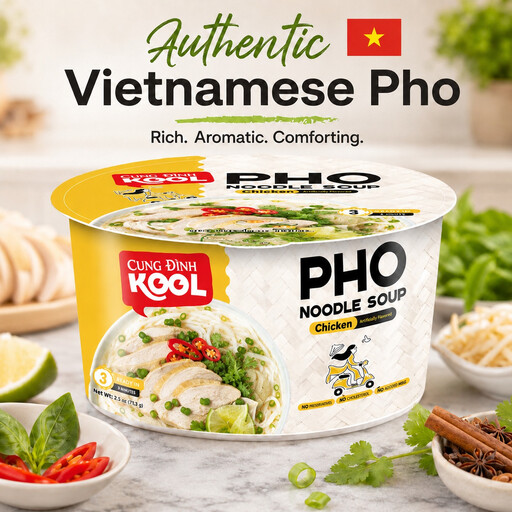
Why This Fits Their Persona: For busy professionals and students, this self-contained bowl is the definition of a quick lunch. It requires nothing but a kettle and is ready in five minutes, solving the office lunch dilemma without any washing up.
It sidesteps the "inauthentic flavour" pitfall by using a liquid sauce sachet instead of a simple powder, delivering a more aromatic and deeper broth flavour reminiscent of real Vietnamese pho.
Non-fried noodles offer a better texture and are lower in fat than many standard pot noodles. The separate chilli sachet allows for customisable heat.
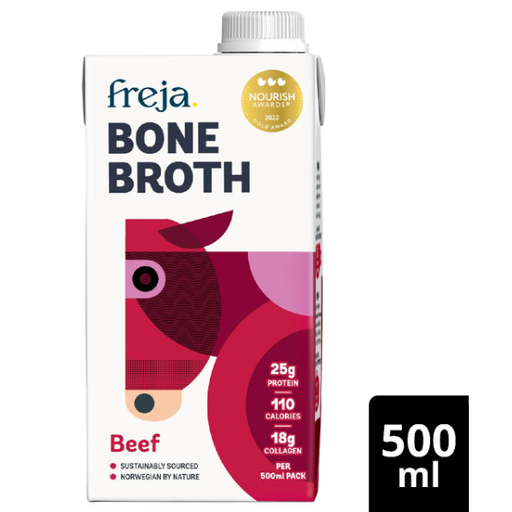
Why This Fits Their Persona: This is for the individual who reads labels carefully and prioritises nutrition. It can be consumed as a warm, nourishing drink or used as a high-quality base for a truly healthy soup, free from common additives.
It avoids the "health halo" trap with a transparent, clean ingredient list: just water, meaty bones, vegetables and herbs. It is gluten, dairy and yeast-free, with no hidden sugars or enhancers.
Made with pasture-fed Norwegian beef bones and simmered for up to 24 hours. The packaging clearly states the protein (20g) and collagen (17g+) content per pack.
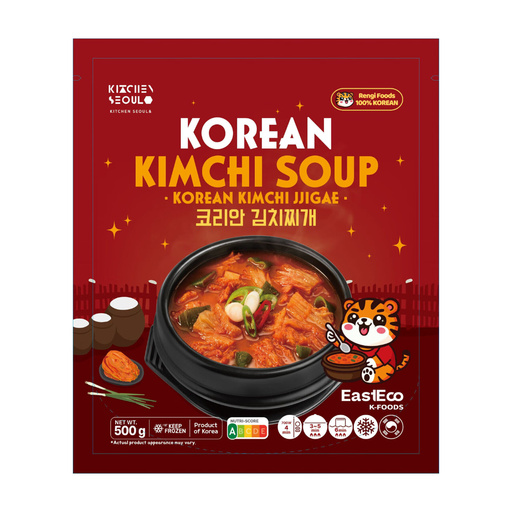
Why This Fits Their Persona: Perfect for the home cook looking to create authentic international dishes without starting from scratch. This provides a genuine, flavourful base for a classic Korean kimchi jjigae, ready for customisation with tofu, pork or extra vegetables.
This product directly counters the "inauthentic flavour" mirage. The ingredients list leads with 30% fermented kimchi, ensuring the warm, comforting and slightly sour taste is genuine, not just an approximation.
It offers a significant head start for a home-cooked Korean meal. The base flavour is already developed, saving hours of preparation while still allowing for creative additions.
We have compiled a complete, real-time list of products that fully satisfy these strict selection criteria and UK safety regulations.
1. What is the difference between bone broth and regular stock? Bone broth is typically made by simmering bones (and sometimes a small amount of meat) for a very long time, often 12-24 hours. This extended cooking time helps to extract collagen, minerals and other compounds from the bones. Regular stock is usually simmered for a shorter period (a few hours) and often uses more meat along with the bones, resulting in a lighter flavour and body.
2. How can I make instant soup taste better? A few simple additions can elevate an instant soup. Consider adding a squeeze of fresh lime or lemon juice to brighten the flavour, a dash of soy sauce for umami or a sprinkle of fresh herbs like coriander or parsley. Leftover cooked chicken, a soft-boiled egg or some frozen peas can also turn a simple instant soup into a more substantial meal.
3. How long does tinned soup last once opened? Once a tin of soup is opened, you should transfer any leftovers into a non-metallic, airtight container. Store it in the refrigerator and consume it within two days. Never store leftover soup in the opened metal can, as the metal can leach into the food.