
24/7 Customer Support

Free returns

Same-day & Next-day Delivery

Quality Guaranteed

Unlock Your Welcome Offers: FREE Delivery | Up to 80% OFF | Free 30-day JoyPlus trial
Download the APP
Buying soup online in the UK can save time and make it easier to stock up on quick lunches, cupboard staples and international flavours. However, product pages can make similar-looking options seem interchangeable when they are not. A 400g tinned soup, a four-serving cup soup pack and a 70g Vietnamese pho packet suit very different occasions.
Before you buy soup online in the UK, check the preparation method, serving information, ingredients and storage instructions. These details help you avoid paying for a product that is unsuitable for your diet, too salty for regular use or inconvenient for the way you plan to eat it.
A packet may contain several servings, but each serving can be relatively small. Instant miso soup is often designed as a light starter or side dish, while a chunky tinned soup may be intended as lunch for one or two people. Always compare the net weight, serving size and whether additional ingredients are needed.
For example, a cup soup sachet may only require hot water, whereas a Caribbean soup mix may require chicken, root vegetables and up to an hour of simmering.
Soup bases can contain milk, celery, fish stock, bonito, anchovy or meat flavourings. Japanese soup is a useful example: some Marukome products use kelp and shiitake-based seasoning, while other miso soup varieties contain bonito or fish extracts. Vietnamese pho packets may include fish sauce even when the seasoning also contains plant-based ingredients.
Read the full ingredient list and allergen statement rather than relying only on the flavour name or front-of-pack imagery.
A soup described as low in fat may still contain a considerable amount of salt. This is particularly relevant to instant soup, stock-based products and concentrated soup mixes. Check the UK nutrition panel for salt per serving, not only calories or fat. A product can be convenient without being suitable as the main part of every meal.
UK food labels identify regulated allergens in the ingredients or allergen advice. Common soup allergens include milk, wheat, gluten-containing cereals, soya, celery, eggs and fish.
A tomato soup may contain milk or cream, while a chicken noodle soup can contain wheat, egg and celery. Vegetarian soup also needs careful checking: a vegetarian product should still be assessed for milk, soya and possible cross-contamination information. If you have an allergy or intolerance, check the latest packaging before consumption because recipes can change.
Look for practical information such as:
Opened tinned soup commonly needs transferring to a suitable covered container, refrigerating and consuming within two days. Instant sachets should remain dry and sealed. A product such as silver ear and lotus seed soup requires soaking and cooking, so it is better suited to planned preparation than an immediate lunch.
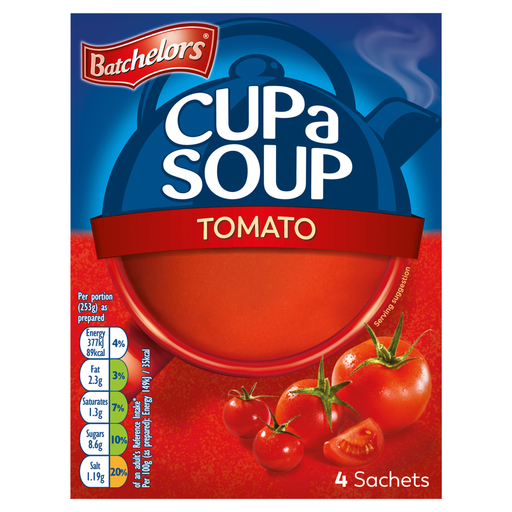
Why This Fits Their Persona: A practical cupboard option for quick lunches, work breaks or a light meal with a sandwich. The pack uses individual sachets and requires hot water.
The stated portion is 89 calories as prepared, making it easier to compare with other cup soup products. It also clearly lists milk and possible wheat traces.
Vegetarian suitability is stated; tomato content is listed at 51%.
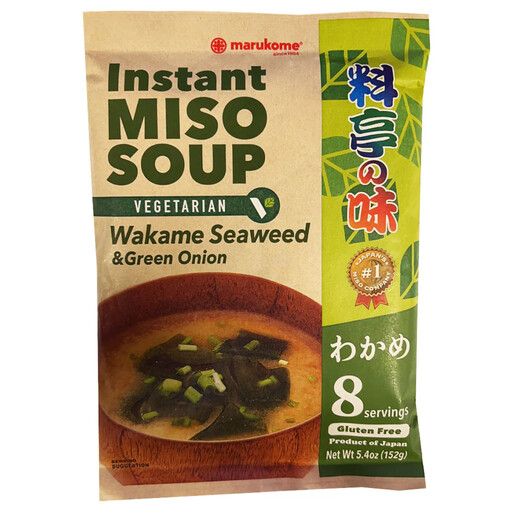
Why This Fits Their Persona: Suitable for shoppers seeking a Japanese-style side dish or light lunch with a meat- and fish-free dashi base.
The listed base uses kelp and shiitake extracts rather than meat or fish dashi. Soya is clearly identified as an allergen.
Includes wakame, fried tofu and spring onion garnish; product of Japan.
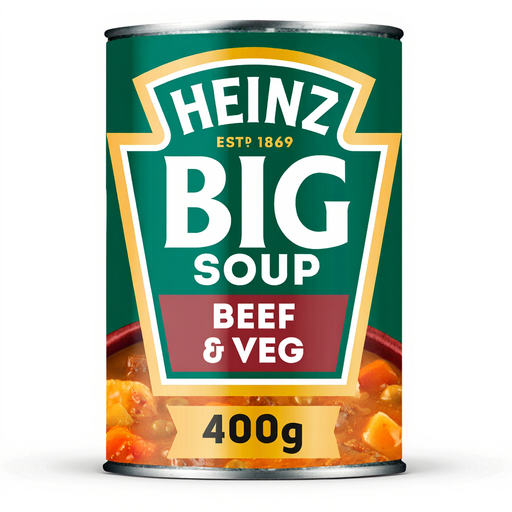
Why This Fits Their Persona: Designed for shoppers wanting a more substantial tinned soup for lunch, particularly when paired with bread or croutons.
The product information states two servings per 400g tin and identifies 10% beef and 22% vegetables, helping set realistic expectations about contents.
Made in England; can be heated on the hob or in a microwave.
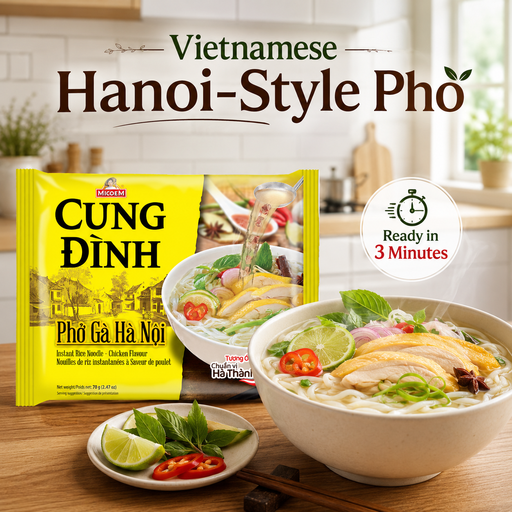
Why This Fits Their Persona: A compact Vietnamese pho soup packet for a quick office, home or student meal, with the option to add cooked chicken, herbs, lime or chilli.
The listing states a 3–5 minute preparation time and identifies fish sauce and soya in the ingredient information, so it is not suitable for every vegetarian or allergy-conscious shopper.
Rice noodle soup format; made in Vietnam; supplied as a single 70g packet.
We have compiled a complete, real-time list of products that fully satisfy these strict selection criteria and UK safety regulations.
Most cup soup and instant miso soup products are ready in a few minutes after adding hot water. Vietnamese pho packets in this selection state a preparation time of around 3–5 minutes. Follow the instructions on the packaging, including the recommended water volume and standing time.
The answer depends on pack size, serving count and promotions. Tinned soup may offer more food per container, while cup soup can reduce waste when you only want one small serving. Compare the price per 100g or price per serving, rather than the ticket price alone.
Transfer unused soup to a suitable covered, non-metallic container, refrigerate promptly and follow the label’s consumption guidance. Several products listed here advise eating opened soup within two days. Always discard food if the packaging is damaged or the product appears or smells unusual.