
24/7 Customer Support

Free returns

Same-day & Next-day Delivery

Quality Guaranteed

Unlock Your Welcome Offers: FREE Delivery | Up to 80% OFF | Free 30-day JoyPlus trial
Download the APP
As a Joybuy Product Recommendation Officer, my role is to help you navigate the crowded online marketplace. When you decide to buy soup online, you're looking for convenience, comfort and flavour. However, the digital aisles are filled with options that can be confusing. A simple purchase can quickly become overwhelming, and it's easy to end up with a pantry full of products that don't meet your expectations.
This guide will help you sidestep common purchasing pitfalls and focus on what truly matters for a satisfying meal, whether you need a quick lunch or a comforting dinner.
Shopping for soup should be simple, but marketing claims can often muddy the waters. Here are three common traps that UK shoppers fall into:
Japanese soup or a spicy Korean soup. Unfortunately, some products marketed as "authentic" are heavily westernised, with muted spices and altered recipes that don't deliver the genuine taste experience you were hoping for.To ensure you get exactly what you want, focus on these three core parameters. They will help you cut through the marketing jargon and make an informed choice.
Instead of relying on front-of-pack claims, turn your attention to the nutritional information. The most reliable way to compare products is by looking at the values per 100g, not per serving, as serving sizes can vary wildly between brands.
cream of tomato soup and some vegetable soup varieties can contain surprising amounts of added sugar to balance the acidity of the tomatoes. Anything over 22.5g of total sugars per 100g is considered high.vegetarian soup or organic soup, check for certifications and a clean, understandable ingredients list. The fewer unpronounceable additives, the better.Choosing the right format depends entirely on your needs for convenience and preparation time.
tinned soup or canned soup from brands like Heinz soup and Baxters soup. You simply heat it on the hob or in the microwave. It's the ultimate convenience for a quick meal.instant miso soup. They just require the addition of boiling water, making them perfect for the office or when you're very short on time. Soup kits, like some traditional Chinese soup packs, may require longer simmering.If you're exploring international flavours, the ingredients list is your best guide to authenticity.
instant miso soup, the ingredients should list soybean paste (miso) near the top. Key additions like wakame seaweed, tofu and dashi (kelp or shiitake extract for vegetarian versions) are good indicators of a genuine product.Korean soup like Kimchi Jjigae should prominently feature kimchi and often includes ingredients like gochujang (chilli paste) for its characteristic spicy and savoury flavour.chunky soup should have its primary ingredients (e.g., chicken, mushrooms and vegetables) listed in high proportions.Here are a few recommendations from our catalogue, matched to different needs and preferences, that successfully navigate the common pitfalls.
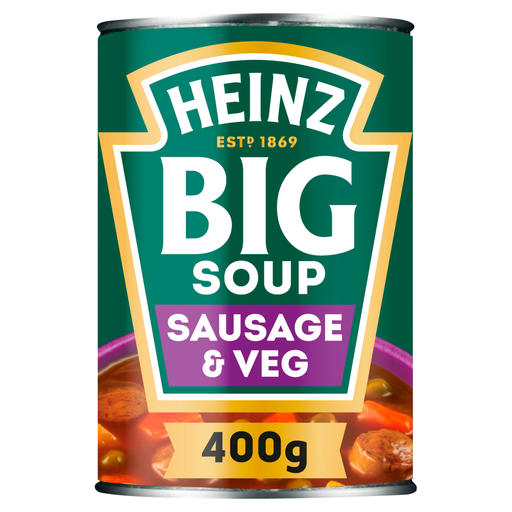
Why This Fits Their Persona: For those with limited time, this is a complete and satisfying meal in a can. It's a classic, no-fuss option that delivers a hearty portion without requiring any extra cooking or ingredients—perfect for a quick and warming lunch during a busy workday.
It avoids the "portion puzzle" by being a clearly labelled, substantial single-serving meal. It's a straightforward, ready-to-eat chunky soup, so there's no confusion about its format.
Contains large chunks of sausage and vegetables for a genuinely filling experience. It's a low-fat recipe with no artificial colours or preservatives.
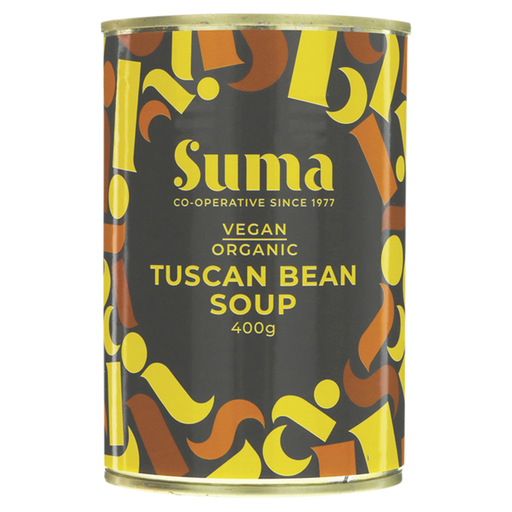
Why This Fits Their Persona: This soup is ideal for those who prioritise clean, organic ingredients. It's a vegetarian, plant-based meal packed with a variety of beans and vegetables, aligning perfectly with a health-focused lifestyle and dietary preferences.
It counters the "healthy choice illusion" with transparency. The organic certification and clear ingredients list confirm its wholesome nature, and the salt content (0.70g per 100g) is moderate and clearly stated.
Made with certified organic ingredients. It's a good source of protein and fibre from a mix of haricot, borlotti, red kidney and cannellini beans.
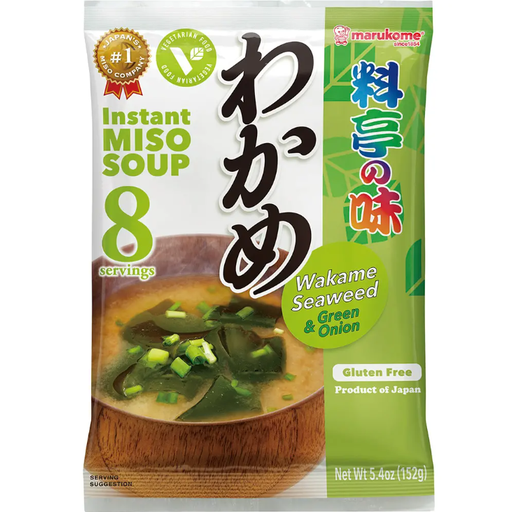
Why This Fits Their Persona: For those wanting to explore genuine international flavours, this instant miso soup from a leading Japanese brand is an excellent choice. It provides an authentic taste of Japan that is quick and easy to prepare at home or in the office.
This product directly counters the "authentic flavour disappointment." It uses real seasoned soybean paste and classic garnishes like wakame and fried tofu, delivering the umami-rich flavour expected of traditional miso soup.
Extremely convenient format with eight individual servings. It's a vegetarian-friendly recipe with a flavour base of kelp and shiitake mushroom extract.
We have compiled a complete, real-time list of products that fully satisfy these strict selection criteria and UK safety regulations.
1. How long does tinned soup last once opened? Once you've opened a can of soup, you should transfer any leftovers into a non-metallic, airtight container. Store it in the refrigerator and consume it within two days. This prevents the food from taking on a metallic taste and ensures it remains fresh.
2. Is canned soup a healthy meal option? It certainly can be. The key is to be selective. A canned soup can be a fantastic source of vegetables, fibre and protein, and it's incredibly convenient. To make it a healthy choice, check the label for lower salt and sugar content. Soups with a clear broth or those packed with beans and vegetables, like a chunky soup, are often more balanced options.
3. What is the difference between condensed and ready-to-eat soup?Ready-to-eat soup is sold in a format that is ready to be heated and served immediately. Most tinned soup in the UK falls into this category. Condensed soup, on the other hand, is a thick, concentrated base that must be diluted with a liquid (usually water or milk) before heating. It's important to check the product description to know which type you are buying.