
24/7 Customer Support

Free returns

Same-day & Next-day Delivery

Quality Guaranteed

Unlock Your Welcome Offers: FREE Delivery | Up to 80% OFF | Free 30-day JoyPlus trial
Download the APP
As a Joybuy Product Recommendation Officer, my role is to help you navigate the crowded shelves and make informed choices. A bottle of soy sauce might seem like a simple purchase, but choosing the wrong one can leave your stir-fry tasting flat or your braised pork looking pale. Let's look at the common pitfalls UK home cooks face and how to select the right bottle for your kitchen.
Many of us have been there: you buy a single bottle labelled "Soy Sauce" and expect it to be a do-it-all wonder. This often leads to disappointment. Here are a few frequent missteps:
To avoid these traps, focus on a few core parameters. Understanding these will ensure you get a product that genuinely enhances your cooking.
The most important distinction is the type of soy sauce, as each serves a different culinary purpose.
How a soy sauce is made directly impacts its flavour. Naturally brewed soy sauce is fermented from soybeans, wheat, salt and water over several months. This traditional process develops a rich and complex flavour profile. In contrast, some lower-cost alternatives use a chemical process which is much faster but can result in a harsher, less nuanced taste. Always check the label for terms like "naturally brewed" or "fermented." A higher soybean content, often listed in the ingredients, is also a good indicator of a flavourful product.
If you are monitoring your salt intake, look for reduced salt soy sauce options. Brands like Kikkoman offer versions where the salt is lowered through a special part of the brewing process, which helps retain flavour. However, remember that even reduced-sodium versions are still a high-salt product and should be used in moderation. Always check the nutritional information per 100ml to compare salt levels accurately.
Based on these practical criteria, here are a few recommendations tailored to different cooking needs and preferences you might find when you buy soy sauce online UK.
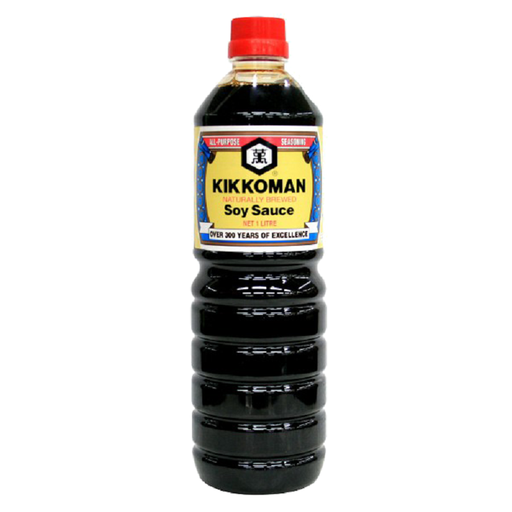
Why This Fits Their Persona: This is a versatile, all-purpose light soy sauce ideal for someone who needs a reliable staple for stir-fries, marinades and dipping. Its balanced flavour works well across various Asian and even Western dishes. The 1-litre bottle is great value for frequent cooks.
It avoids the "one-size-fits-all" trap by being an excellent example of what a light soy sauce should be: flavourful and for seasoning, not for deep colouring. It's naturally brewed from just four ingredients, bypassing the misleading "premium" label issue.
Naturally brewed for a complex umami flavour. Contains no artificial additives. Its versatility makes it a foundational pantry item.

Why This Fits Their Persona: For anyone aiming to cook authentic Chinese dishes like red-braised pork belly or soy sauce chicken, a proper dark soy sauce is non-negotiable. This product from a renowned brand like Lee Kum Kee is designed specifically for this purpose.
This is a specialised product that solves the problem of dishes lacking colour. It demonstrates why having both light and dark soy sauce is essential, directly countering the "one-size-fits-all" pitfall.
Provides a rich, caramel colour and a deep, slightly sweet flavour. It is less salty than light soy sauce, making it ideal for slow-cooked dishes where flavour and colour need to build over time.
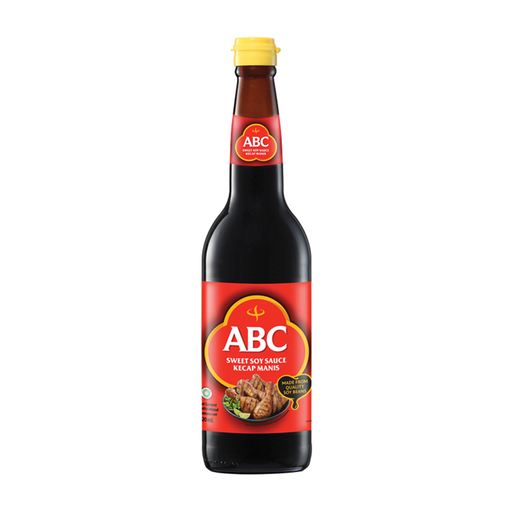
Why This Fits Their Persona: Anyone wanting to recreate the authentic taste of Indonesian Nasi Goreng or make a perfect satay marinade needs kecap manis. This thick, sweet soy sauce is a cornerstone of the region's cuisine and cannot be easily substituted.
This product prevents the common mistake of trying to replicate kecap manis by adding sugar to regular soy sauce. It provides the correct thick, syrupy consistency and molasses-like flavour from palm sugar that is impossible to achieve otherwise.
Naturally sweetened with sun-dried palm tree sugar for an authentic, aromatic finish. Its thick texture makes it perfect for creating glazes on grilled food or adding body to stir-fry sauces.
We have compiled a complete, real-time list of products that fully satisfy these strict selection criteria and UK safety regulations.
1. What is the difference between Chinese and Japanese soy sauce? Generally, Japanese soy sauce (shoyu) is made with a roughly equal ratio of soybeans and roasted wheat, which gives it a slightly sweeter, more aromatic and less aggressively salty flavour. It's often used as a finishing sauce or for dipping. Chinese soy sauce is typically made with a higher ratio of soybeans to wheat (or sometimes just soybeans) and is divided into distinct types like light and dark for different cooking applications.
2. Can I use light soy sauce instead of dark soy sauce? You can substitute it for saltiness, but you will miss the main benefit of dark soy sauce: colour. Dark soy sauce is used to give dishes like stews and braises a deep, reddish-brown hue. If you only use light soy sauce, your dish will be much paler and may lack the subtle, caramelised flavour notes.
3. How should I store soy sauce after opening? Thanks to its high salt content and the fermentation process, naturally brewed soy sauce is very stable. For optimal flavour, it is recommended to store it in a cool, dark place away from direct sunlight. While refrigeration is not strictly necessary, it can help preserve the freshness and flavour for longer, especially after the bottle has been opened. Always check the storage instructions on the specific product.