
24/7 Customer Support

Free returns

Same-day & Next-day Delivery

Quality Guaranteed

Unlock Your Welcome Offers: FREE Delivery | Up to 80% OFF | Free 30-day JoyPlus trial
Download the APP
Navigating the condiment aisle to find the right soy sauce can be more complicated than it seems. With bottles labelled 'light', 'dark', 'reduced salt' and 'premium', it's easy to grab the wrong one and find your stir-fry lacks flavour or your braised dish isn't the right colour. As a Joybuy Product Recommendation Officer, my role is to help you understand the key differences so you can make a confident choice for your kitchen.
Many home cooks in the UK fall into a few common traps. The first is assuming 'light' and 'dark' soy sauce are interchangeable. Using dark soy sauce for a dipping sauce can result in a thick, overly sweet taste, while using light soy sauce in a slow-cooked stew may not provide that rich, deep colour you're looking for. Another pitfall is relying on marketing terms like "healthy" or "less salt" without checking the nutritional information. A 'reduced salt' product can still contain a significant amount of sodium, which is an important consideration for many households.
To avoid disappointment and find the perfect bottle for your culinary needs, focus on these three key parameters.
Understanding the primary types of Chinese soy sauce is the first step. They are not simply lighter or darker versions of each other; they serve distinct purposes in cooking.
For those monitoring their salt intake, the 'per 100ml' value for Salt on the nutritional label is the most reliable indicator. A standard light soy sauce might contain between 15g and 20g of salt per 100ml. A reduced salt soy sauce or low sodium soy sauce will have a lower figure, but the amount can vary significantly between brands. Some may offer a 25-40% reduction, bringing the salt content down to around 9-12g per 100ml, while others achieve much lower levels. Always compare the numbers rather than just the label claims.
The foundation of a good soy sauce is simple: water, soybeans, wheat and salt. Traditionally brewed soy sauces undergo a natural fermentation process that can take months, developing a complex flavour. Some modern sauces may use different production methods or include additives. Common additions include:
Being aware of these ingredients allows you to choose a product that aligns with your dietary preferences.
To help you choose, we've matched some options to common cooking styles and needs.

Why This Fits Their Persona: This is a versatile, all-purpose light soy sauce ideal for the UK home cook exploring East Asian flavours. It's perfect for adding savoury depth to stir-fries, seasoning soups or creating a simple dipping sauce for dumplings.
This is a classic light soy sauce, designed specifically for seasoning and flavour, not for adding dark colour. This prevents the common mistake of using the wrong type for everyday cooking.
Made with a traditional fermentation process and zero added preservatives, it delivers a rich, umami flavour. Its versatility makes it a reliable pantry staple.
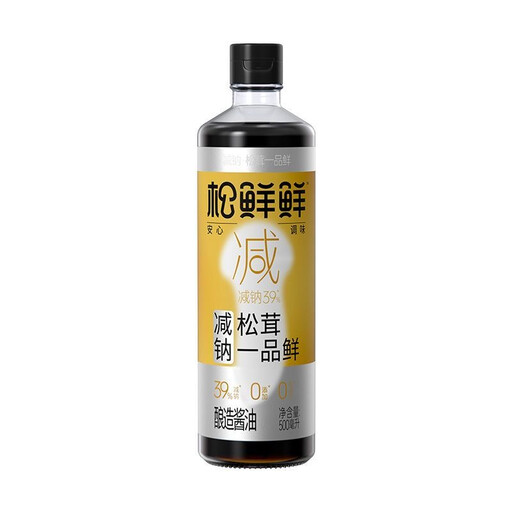
Why This Fits Their Persona: For families actively reducing their salt intake, this soy sauce is a standout choice. It provides the desired umami flavour for family meals without the high sodium levels found in many other condiments.
This product moves beyond the vague "reduced salt" claim by delivering an exceptionally low salt content of just 1.2g per 100ml. This allows users to season food with confidence, knowing they are making a genuinely low-sodium choice.
Infused with Boletus Edulis (matsutake mushroom) for a unique, natural umami flavour. It contains no added sugars and uses natural sweeteners (Monk Fruit and Stevia).

Why This Fits Their Persona: For the cook dedicated to recreating authentic dishes like red-cooked pork (hong shao rou) or Taiwanese beef noodle soup, a quality dark soy sauce is non-negotiable. This one is designed specifically for that purpose.
This is a dedicated dark soy sauce, not an all-rounder. It solves the problem of dishes not achieving the correct deep, glossy colour that is characteristic of many braised Asian recipes.
Its primary function is adding rich colour and a subtle sweetness. It's perfect for braising, stewing and marinating where visual appeal is as important as flavour.
We have compiled a complete, real-time list of products that fully satisfy these strict selection criteria and UK safety regulations.
The simplest way to remember is that light soy sauce is for flavour and dark soy sauce is for colour. Light soy sauce is saltier and thinner, used for seasoning during cooking or for dipping. Dark soy sauce is thicker, less salty, and slightly sweet, used to give dishes like stews and marinades a deep, reddish-brown hue. You need both in your pantry for authentic Chinese cooking.
For best quality, store your soy sauce in a cool, dry place away from direct sunlight, like a kitchen cupboard. While refrigeration is not strictly necessary for many traditionally brewed soy sauces due to their high salt content, it is often recommended after opening. Refrigerating can help preserve the flavour and aroma for longer, especially for low-sodium varieties. Always check the storage instructions on the bottle.
Not necessarily. While it's a great option for those managing their salt intake, the choice depends on your needs. A low-sodium soy sauce might have a different flavour profile, and you may need to use more to achieve the same level of saltiness, which could alter a recipe. The key is to be an informed consumer: read the nutritional label to understand exactly how much salt you are adding and choose the product that best fits your health goals and culinary requirements.