
24/7 Customer Support

Free returns

Same-day & Next-day Delivery

Quality Guaranteed

Unlock Your Welcome Offers: FREE Delivery | Up to 80% OFF | Free 30-day JoyPlus trial
Download the APP
A good bottle of soy sauce is a cornerstone of any well-stocked pantry, adding a deep, savoury flavour known as umami to everything from stir-fries to marinades. Yet, the supermarket aisle can be a confusing place. With labels like "naturally brewed," "less salt" and "tamari," it's easy to grab the wrong bottle, waste money and compromise your cooking. As the Joybuy Product Recommendation Officer, my role is to help you navigate these choices and find the right product for your kitchen without the marketing fluff.
Before you add a bottle to your basket, let's look at the common traps that UK shoppers fall into.
To ensure you're buying a quality product that suits your needs, focus on these three essential parameters.
The most crucial factor determining the quality of a soy sauce is its production method. Look for sauces made using the Honjozo method, the traditional Japanese technique.
Not all soy sauces are created equal. Choosing the right one depends on what you're cooking.
Consider how frequently you use soy sauce.
To simplify your choice, we've matched some reliable options to different UK home cooks.
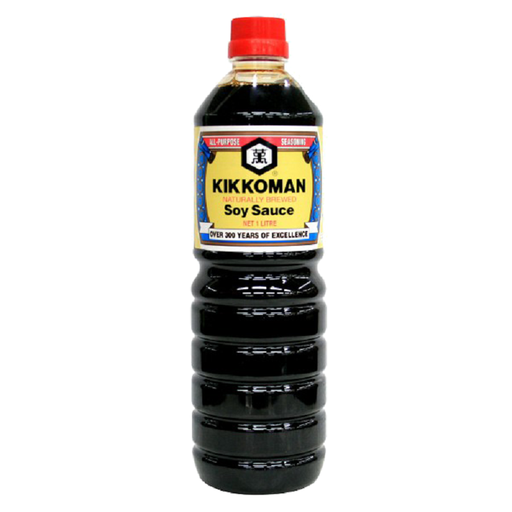
Why This Fits Their Persona: This is the quintessential all-purpose soy sauce for the UK kitchen. It's perfect for someone who needs a reliable, high-quality staple for everything from weeknight stir-fries and marinades to a simple dipping sauce. The 1L bottle offers excellent value for regular use.
It is naturally brewed using the traditional Honjozo method with only four ingredients, steering clear of the harsh taste of chemically produced sauces. Its all-purpose nature prevents the "type mismatch" error.
Incredibly versatile for all types of cooking. The large 1L size is economical for frequent use.
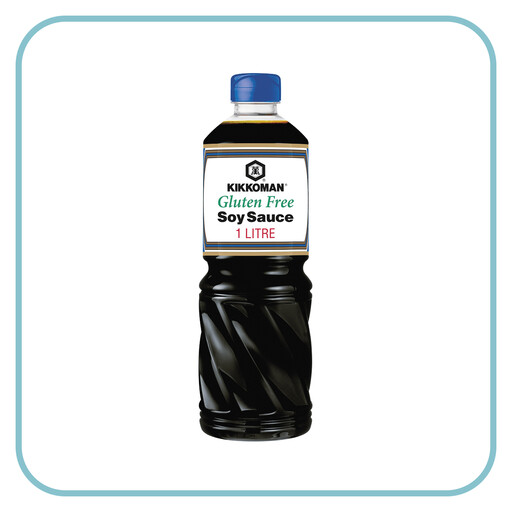
Why This Fits Their Persona: This is the ideal choice for anyone with coeliac disease, a gluten intolerance or simply choosing to avoid gluten. It delivers a rich, complex flavour without wheat, making it a safe and delicious alternative. The 1L bottle is great for those who rely on it as their primary seasoning.
It directly solves the "hidden gluten" problem. As a certified gluten-free product, there is no ambiguity. It is also naturally brewed, ensuring a high-quality taste profile.
Certified gluten-free, vegan and halal. It has a rich, smooth flavour that works as a 1:1 substitute for regular soy sauce.
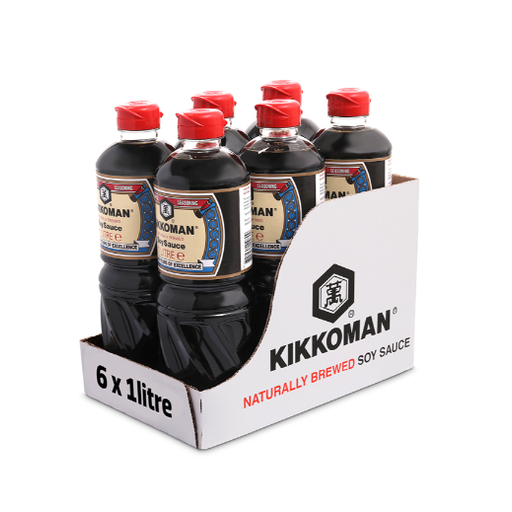
Why This Fits Their Persona: For the household where soy sauce is used almost daily, this bulk pack is the most practical and economical choice. It ensures you always have a high-quality, all-purpose soy sauce on hand for large batches of cooking, marinating or simply refilling a smaller table dispenser.
Buying a trusted, naturally brewed brand in bulk eliminates the risk of running out and having to purchase an inferior, chemically produced sauce as a last-minute replacement. It locks in quality and value.
Significant cost savings per litre compared to buying individual bottles. Ensures a consistent supply of a quality, versatile product.
We have compiled a complete, real-time list of products that fully satisfy these strict selection criteria and UK safety regulations.
Naturally brewed soy sauce has a very long shelf life due to its high salt content. However, its flavour and aroma will degrade over time once exposed to air. For the best taste, it is recommended to store the bottle in the refrigerator after opening and aim to use it within 3-6 months.
Not always. In the UK, "all-purpose" typically refers to a standard Japanese soy sauce (koikuchi), which is dark in colour and versatile. However, Chinese-style "dark soy sauce" is a different product; it's usually thicker, less salty and has a deeper colour from added molasses. It is used primarily for adding colour to dishes like braises and is not a direct substitute for all-purpose shoyu.
Yes, absolutely. Tamari is an excellent 1:1 substitute for regular soy sauce in any recipe. It provides a similarly rich umami flavour, though some find it slightly less salty and more complex. It is the go-to choice for anyone needing a reliable gluten free soy sauce.