
24/7 Customer Support

Free returns

Same-day & Next-day Delivery

Quality Guaranteed

Unlock Your Welcome Offers: FREE Delivery | Up to 80% OFF | Free 30-day JoyPlus trial
Download the APP
There is a unique satisfaction that comes from making your own food from scratch. Whether it’s the creamy texture of freshly made soymilk or the delicate firmness of homemade tofu, using basic ingredients puts you in complete control. For anyone interested in plant-based cooking or authentic East Asian cuisine, high-quality dried soya beans are an essential pantry staple.
However, with various options available, choosing the right packet can feel overwhelming. This guide is designed to help you understand what to look for when you buy soya beans UK, ensuring you select the right product for your culinary projects. We will walk through key considerations and share some of our top recommendations to help you get started.
Before adding a pack to your basket, a few key details can help you make a more informed choice. Considering these points will ensure the beans you buy are well-suited to your needs, whether you're making soymilk, tofu or a hearty stew.
For many health-conscious individuals, the farming method is a primary concern. Organic soya beans are grown without the use of synthetic pesticides and fertilisers, which is a significant factor for those looking to minimise their exposure to these chemicals. Separately, non-gmo soya beans come from plants that have not been genetically modified. Many producers who focus on quality ingredients for home cooking will specify if their products are non-GMO, offering peace of mind.
The quality of your raw ingredients directly impacts the final dish. When looking for soya beans for soymilk, select beans that are plump, uniform in size and have a clean, bright appearance. These characteristics often indicate a higher protein and fat content, which translates to a richer, creamier soymilk. The same principle applies to beans for making tofu, where consistent quality ensures a better curd formation and a smoother final texture.
Soya beans are a global commodity, but certain varieties are cultivated for specific culinary traits. For instance, many Chinese soybeans are selected for their flavour profile, which is ideal for traditional recipes. While the differences can be subtle, choosing beans from a brand that specialises in Asian agricultural products can lend a more authentic taste to your dishes.
As a Joybuy Product Recommendation Officer, my role is to sift through the options and highlight products that offer clear value and quality for home cooks. Here are our recommendations for 2026.
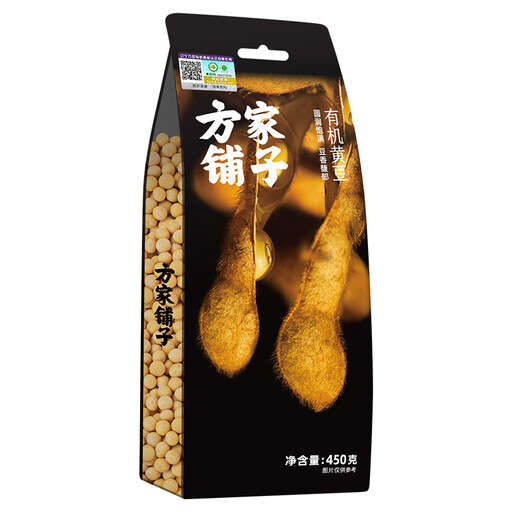
Why It Stands Out: These beans from Fangjia Puzi are certified organic, making them a standout choice for those prioritising natural ingredients. The brand focuses on premium grains and beans and it shows in the quality. When cooked or blended, they release a strong, natural soybean aroma. The airtight, moisture-proof packaging is a practical touch that helps maintain freshness over the long term.
Pros:
Who is it for? This is an excellent option for the health-conscious home cook who wants a certified organic ingredient for making fresh soymilk and other plant-based staples.
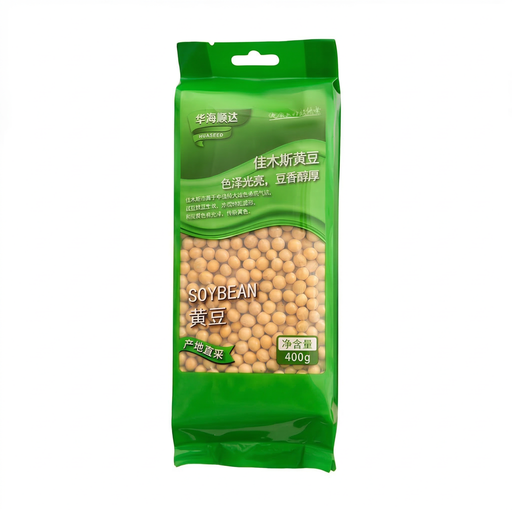
Why It Stands Out: Huaseed's soybeans are selected for their plump, uniform size, a key indicator of quality for achieving consistent results in the kitchen. The beans are vacuum-packed, a superior method for locking in freshness and protecting them from environmental factors during storage. This attention to detail suggests a focus on delivering a premium raw ingredient.
Pros:
Who is it for? Perfect for cooks who value consistency and freshness above all. If your main goal is to produce exceptionally smooth soymilk or reliable tofu, the uniformity of these beans is a significant advantage.
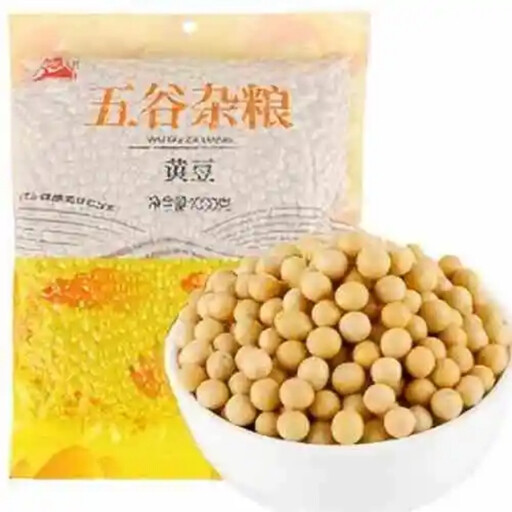
Why It Stands Out: Chuanzhen is a brand rooted in providing traditional ingredients for Chinese cuisine. These non-GMO soya beans are selected to deliver an authentic, natural taste. They are presented as a versatile, reliable staple for any household, suitable for everything from making soymilk to being added directly into soups and stews. The 400g pack size is practical and economical for regular use.
Pros:
Who is it for? This is a great all-rounder for those seeking a reliable and authentic ingredient for a wide range of East Asian dishes, not just soymilk and tofu.
If you haven't found the perfect match here or are looking to stock your pantry with other essentials, there are many more options to discover.
Explore our full collection of Grains, Beans and Pulses to find the right ingredients for your next culinary creation.
Here are answers to a few common questions people have about using dried soya beans at home.
Soaking time depends on your intended use. For making soymilk, a longer soak of 8-12 hours (or overnight) in cold water is recommended to fully hydrate the beans for a smooth blend. For use in stews or other cooked dishes, a shorter soak of 4-6 hours is often sufficient. Always check the package for specific instructions.
No, you should never consume soya beans raw. They contain compounds that are difficult to digest and can cause discomfort. Soya beans must be soaked and then thoroughly cooked—either by boiling, steaming or roasting—to become safe and nutritious for consumption.
To maintain their quality, store dried soya beans in an airtight container in a cool, dry and dark place, such as a pantry or cupboard. This protects them from moisture, pests and sunlight, which can degrade their quality over time. If the beans come in vacuum-sealed or resealable packaging, it is often sufficient to keep them in their original bag.