
24/7 Customer Support

Free returns

Same-day & Next-day Delivery

Quality Guaranteed

Unlock Your Welcome Offers: FREE Delivery | Up to 80% OFF | Free 30-day JoyPlus trial
Download the APP
Soya beans have become a staple in many UK kitchens, valued for their versatility and role as a fantastic plant-based protein source. Yet, navigating the choices—from dried beans to frozen pods—can be confusing. It is easy to end up with the wrong product for your recipe, leading to disappointment in the kitchen.
Many shoppers encounter a few common pitfalls. Firstly, there is the mix-up between mature, dried soya beans and young, green edamame; they are the same plant but at different life stages, and they are not interchangeable in recipes. Secondly, people often buy a large bag of dried beans without considering storage, only to find they have lost their freshness and viability. Let's clarify these points to help you select the right soya beans for your needs.
The first step is to decide which format suits your purpose. The form you buy—dried, frozen or roasted—dictates its use, preparation time and storage.
Dried Soya Beans: These are mature, hard beans, typically yellow or black. They are the essential starting point for anyone wanting to make homemade soya milk, tofu or bean curd. They require soaking (usually overnight) before being cooked or blended. Because they are raw, dried soya beans are also what you need if you plan to sprout your own beans for salads and stir-fries. They are an economical choice for cooking from scratch.
Frozen Edamame: This is the Japanese term for immature, green soya beans, harvested while still soft and sweet. You will find them in the freezer aisle, either as shelled edamame (kernels only) or still in the pod. They cook in minutes and are perfect as a simple, nutritious appetiser, a side dish or an addition to salads, stir-fries and grain bowls. They offer convenience without compromising on nutrition.
Roasted Soya Beans: For a ready-to-eat high protein snack, roasted soya beans are an excellent option. They are crunchy, savoury and require no preparation, making them a convenient alternative to crisps or nuts. However, they are not suitable for making soya milk or for use in recipes that call for soft beans.
Beyond the preparation format, the variety of the bean also matters.
Yellow Soya Beans: This is the most common type used for making soya milk and tofu. They have a mild, nutty flavour and are the workhorse of the soya world. When you see a product simply labelled "soya beans," it is almost always this variety.
Black Soya Beans: Less common but prized in certain Asian cuisines, black soya beans have a slightly different nutritional profile and a richer, more distinct flavour. They can be used to make a uniquely coloured soya milk, added to congee or used in braised dishes and stews.
Edamame: As mentioned, these are young green soya beans. Their primary appeal is their tender texture and subtly sweet flavour. Whether you choose them in the pod for a hands-on snack or shelled for convenience, they are best suited for light cooking methods like boiling, steaming or pan-frying.
To help you choose, we have matched a few products to common user needs, focusing on how they address the typical buying challenges.
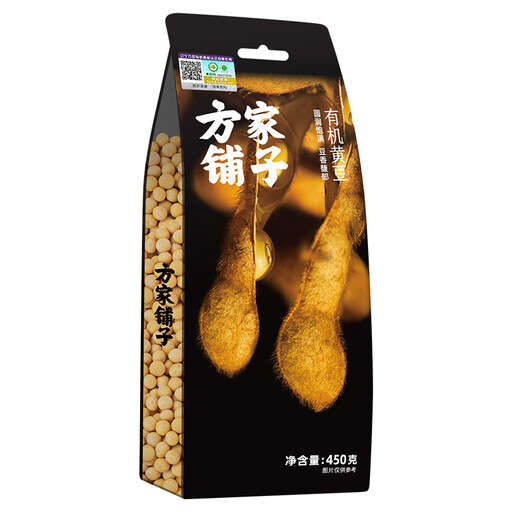
Why This Fits Their Persona: This is for the person dedicated to making fresh, high-quality ingredients for soya milk, tofu or congee at home. They value a pure, natural soybean aroma and consistent results.
These are clearly identified as raw, dried beans, preventing any mix-up with ready-to-eat edamame. The airtight packaging also addresses the freshness issue, keeping the beans dry and viable.
High in protein (36g per 100g), making for a rich soya milk. The packaging is moisture-proof, which helps retain natural freshness for longer.
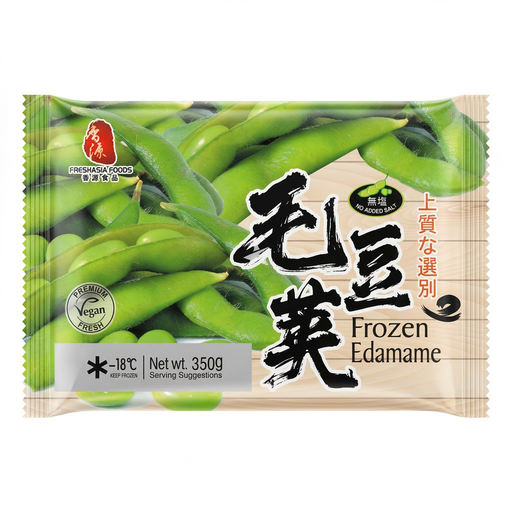
Why This Fits Their Persona: Ideal for someone seeking a quick, warm and satisfying high protein snack or appetiser. They prioritise convenience and nutrition, and enjoy the simple pleasure of popping beans from a pod.
This is clearly labelled as frozen edamame in pods, ensuring the user gets a quick-cook snack, not a raw ingredient for soya milk. The frozen format locks in freshness from harvest.
Cooks from frozen in 4-5 minutes. It is a simple, single-ingredient product (100% edamame) that is a good source of protein and fibre.
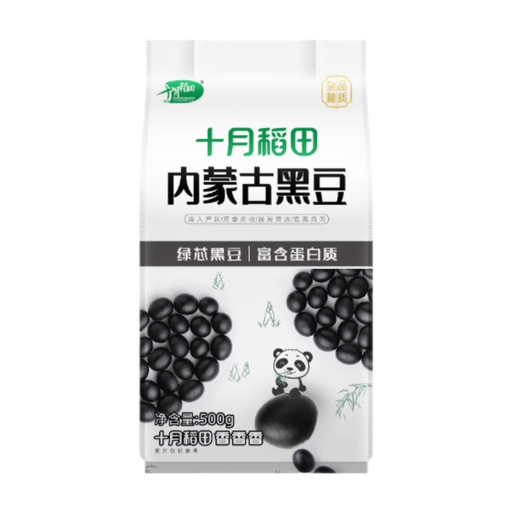
Why This Fits Their Persona: This is for the home cook who enjoys experimenting with different ingredients and flavours. They are interested in making black soya milk, adding nutritional depth to soups or preparing traditional vinegar-soaked beans.
As a distinct variety, black soya beans are clearly for specific culinary applications, guiding the user away from thinking all dried beans are the same. It is a raw product requiring soaking and cooking.
Exceptionally high in protein (36.1g per 100g) and dietary fibre (19.9g per 100g). This nutrient-dense profile adds significant value to meals.
We have compiled a complete, real-time list of products that fully satisfy these strict selection criteria and UK safety regulations.
Edamame are young, green soya beans that are harvested early. They are soft, sweet and typically eaten as a vegetable or snack after being boiled or steamed. Mature soya beans are left to ripen and dry on the plant, becoming hard and typically yellow or black. These dried beans are used for making products like soya milk and tofu.
Yes, all forms of soya beans, whether dried or frozen, must be thoroughly cooked before consumption. Raw or undercooked soya beans contain compounds that can be difficult to digest and are not safe to eat. Roasted soya beans are an exception as they have already been cooked.
Store dried soya beans in an airtight container in a cool, dark and dry place, such as a pantry or cupboard. This protects them from moisture, pests and light, which can degrade their quality. When stored correctly, they can last for a year or more.