
24/7 Customer Support

Free returns

Same-day & Next-day Delivery

Quality Guaranteed

Unlock Your Welcome Offers: FREE Delivery | Up to 80% OFF | Free 30-day JoyPlus trial
Download the APP
Navigating the world of soybean paste can feel overwhelming. You have a recipe for a hearty Korean stew, but the shelf is filled with jars labelled 'yellow bean paste', 'miso' and 'ssamjang'. Are they interchangeable? Using the wrong one can lead to a dish that tastes nothing like you intended. As your Joybuy Product Recommendation Officer, my role is to help you see past the confusing labels and make a confident choice.
Many home cooks in the UK fall into a few common traps when they first buy soybean paste. Understanding these can save you from a disappointing meal and wasted money.
To ensure you get the right product for your culinary adventure, focus on these three core parameters.
The country of origin is your first and most important clue. Each cuisine uses soybean paste differently, resulting in distinct products.
Before adding a paste to your basket, check the ingredient list.
The product description or usage instructions will often tell you if the paste needs to be cooked. Many thick, dark Chinese pastes and traditional Korean doenjang release their full flavour profile only after being fried in a little oil or dissolved and simmered in a broth. In contrast, most ssamjang and many lighter-coloured dipping sauces are labelled "ready to eat" and can be served straight from the container.
To help you choose, we have matched some excellent options to different cooking needs and profiles.
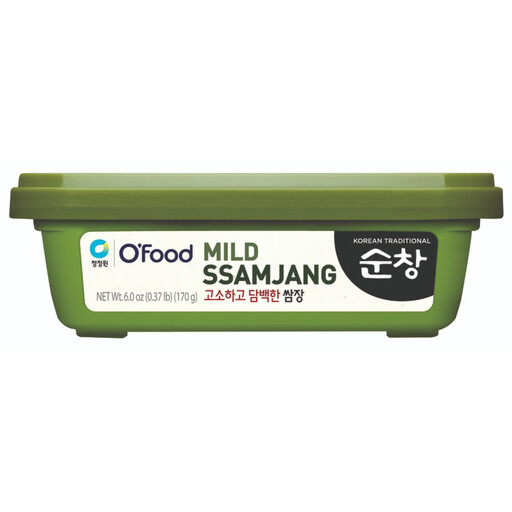
Why This Fits Their Persona: This is for the person hosting a Korean BBQ night. They need a reliable, authentic-tasting dipping sauce for lettuce wraps that requires no extra prep. This ssamjang is perfectly balanced—savoury, slightly sweet and not too spicy.
It directly solves the "seasoned vs. unseasoned" confusion. This is a purpose-built, ready-to-eat dipping sauce, so you will not accidentally buy a base paste that needs extra ingredients.
Made in Korea with 100% Korean soybeans for an authentic flavour profile. The 170g size is ideal for a single meal or small household, minimising waste.
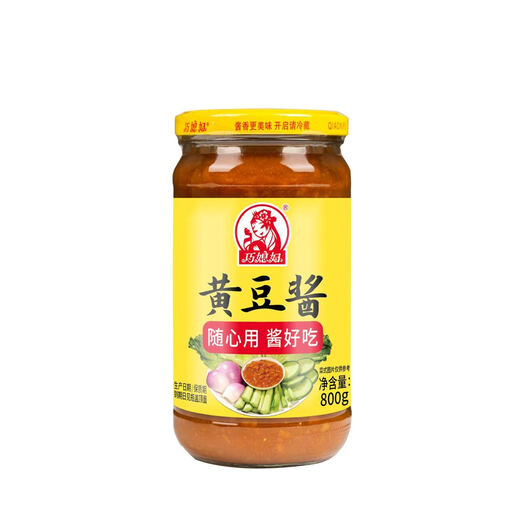
Why This Fits Their Persona: For the cook who regularly prepares Chinese dishes, this large 800g tub is a pantry workhorse. It is a classic Chinese yellow bean paste, versatile enough for stir-frying, braising or making dipping sauces from scratch.
This product avoids the "one-paste-fits-all" myth by being an authentic Chinese paste. It delivers the specific salty, savoury flavour needed for dishes like Zha Jiang Mian, which a Korean or Japanese paste could not replicate.
Made using a traditional brewing process for a rich soy aroma. It contains 0% added preservatives and comes in a large, economical size for frequent use.
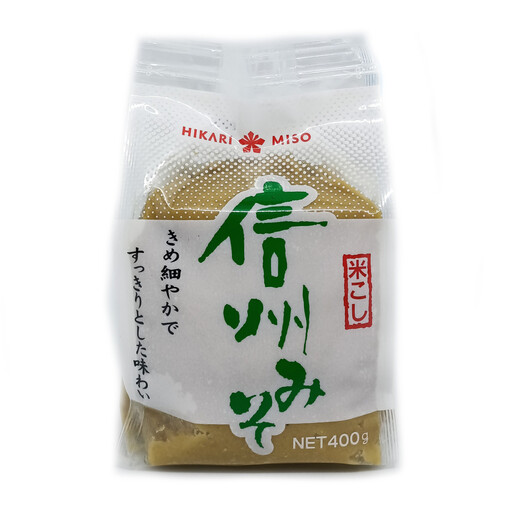
Why This Fits Their Persona: Perfect for anyone wanting to make their first bowl of authentic miso soup. This is a classic Shinshu white miso, known for its mild, slightly sweet flavour and smooth texture that dissolves easily in broth. It is very approachable and versatile.
This choice prevents the common beginner's error of buying a strong red miso for a delicate soup. Its mild profile ensures a pleasant, balanced flavour without overpowering other ingredients.
An authentic Japanese white miso paste made from a simple list of ingredients: soybeans, rice, salt and alcohol. Its smooth texture makes it ideal not just for soup, but also for dressings and marinades.
We have compiled a complete, real-time list of products that fully satisfy these strict selection criteria and UK safety regulations.
Doenjang is a pure, unseasoned fermented soybean paste. It is salty, deeply savoury and forms the flavour base for many Korean stews and soups. Ssamjang is a seasoned dipping sauce that uses doenjang as an ingredient, but also includes gochujang (chilli paste), garlic, sugar and sesame oil. You cook with doenjang, but you dip with ssamjang.
Once opened, all types of soybean paste should be sealed tightly and stored in the refrigerator. The high salt content acts as a natural preservative, but refrigeration is crucial to maintain flavour and prevent spoilage. Generally, it will last for several months, but it is always a good idea to check the packaging for specific advice and use a clean spoon each time to avoid contamination.
While they are both fermented soybean products, they are not direct substitutes. Chinese yellow bean paste often has a different flavour profile—sometimes sweeter, sometimes just salty—and a different texture. Using it in a Korean recipe like doenjang jjigae will result in a dish that lacks the characteristic funky, deep umami flavour of authentic doenjang. For the right results, it is always advisable to use the paste specified in the recipe.