
24/7 Customer Support

Free returns

Same-day & Next-day Delivery

Quality Guaranteed

Unlock Your Welcome Offers: FREE Delivery | Up to 80% OFF | Free 30-day JoyPlus trial
Download the APP
Navigating the world of East Asian condiments can be a challenge, especially when faced with a wall of jars labelled 'soybean paste'. While they may look similar, using the wrong one can be the difference between an authentic, flavourful dish and a culinary disappointment. As your Joybuy Product Recommendation Officer, my role is to help you understand these differences so you can choose the right product for your kitchen without falling into common shopping traps.
Many home cooks in the UK find themselves making a few common mistakes. Let's look at the main pitfalls to avoid:
To make an informed choice, you need to look beyond the front label. Here are the core parameters to check before you buy Asian paste online in the UK.
The country of origin is your first and most important clue. The three main types you'll encounter are:
Consider how you plan to use the paste. Is it for a quick dipping sauce, a flavour base for a stir-fry, or the heart of a slow-cooked stew?
To help you get started, here are a few recommendations matched to different cooking needs and profiles.
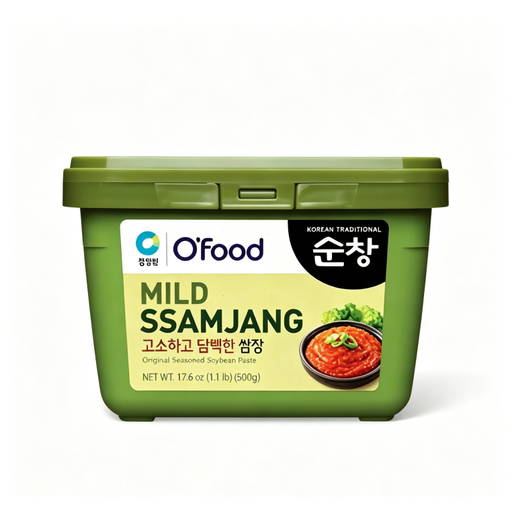
Why This Fits Their Persona: If you're hosting a Korean BBQ night in the UK, this is your go-to condiment. It's specifically designed as a dipping sauce for grilled meats and lettuce wraps, delivering an authentic, balanced flavour that's savoury, slightly sweet and ready to serve.
This is a purpose-built Ssamjang, not a generic soybean paste. It avoids the "one paste fits all" trap by providing the correct, pre-seasoned blend for a specific culinary use: Korean BBQ.
Ready to use straight from the tub, combining fermented soybeans, red chili paste and other seasonings. The 500g tub is a practical size for regular use.
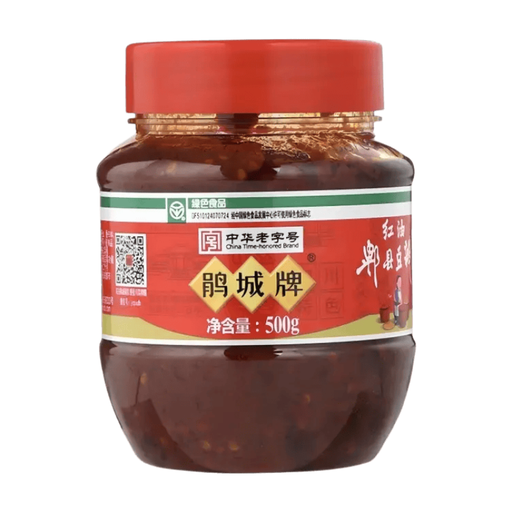
Why This Fits Their Persona: For anyone serious about recreating authentic Sichuan dishes like Mapo Tofu or Twice-Cooked Pork, this is a non-negotiable pantry item. It provides the foundational spicy, salty and deeply savoury flavour that defines the cuisine.
This product directly addresses the bean confusion trap. It is a true Pixian bean paste, made from broad beans and red chillies, not soybeans. This ensures you achieve the correct flavour profile for Sichuan cooking.
Certified as an intangible cultural heritage product, it offers an authentic taste. The bright red oil and rich sauce aroma are hallmarks of a quality Doubanjiang.
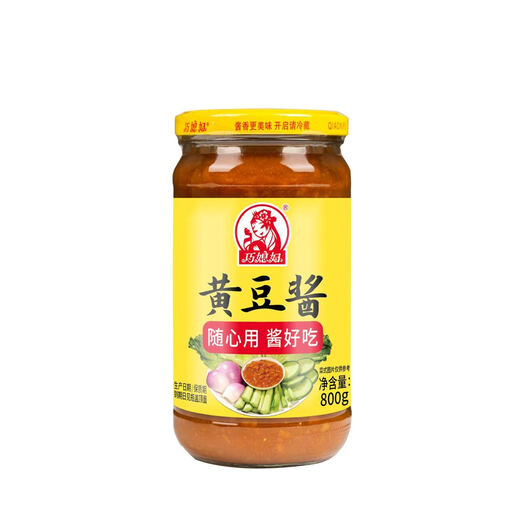
Why This Fits Their Persona: For the family that enjoys a variety of Chinese dishes, this large-format paste is a versatile workhorse. It's suitable for general use in dipping, stir-frying, braising and marinating, making it a cost-effective and practical choice for a busy kitchen.
This product avoids the trap of low-quality, additive-heavy pastes. It is traditionally brewed with a pure ingredient list and 0% added preservatives, focusing on the natural, rich soy aroma of the fermented beans.
The 800g large capacity is excellent value for households. Its versatile, savoury flavour profile makes it a reliable base for a wide range of Chinese dishes.
We have compiled a complete, real-time list of products that fully satisfy these strict selection criteria and UK safety regulations.
The primary difference is the core ingredient and flavour profile. Doenjang is made from only fermented soybeans and is intensely salty and savoury (umami-rich) but not spicy. Doubanjiang, particularly from Pixian, is made from fermented broad beans, salt and a large amount of chillies, giving it a fiery, spicy and salty flavour. They are not interchangeable in recipes.
Once opened, all fermented bean pastes should be stored in the refrigerator with the lid tightly sealed. This prevents spoilage and preserves their flavour. Generally, they can last for several months to a year in the fridge, but always check the packaging for specific storage advice. Use a clean, dry spoon to scoop out the paste to avoid introducing contaminants.
While both are fermented soybean products, they have distinct flavours. You can substitute them in a pinch, but the result will not be authentic. White miso is much milder and sweeter than Doenjang, while red miso is pungent in a different way. If a recipe calls for Doenjang, using it will give you the best and most accurate flavour.