
24/7 Customer Support

Free returns

Same-day & Next-day Delivery

Quality Guaranteed

Unlock Your Welcome Offers: FREE Delivery | Up to 80% OFF | Free 30-day JoyPlus trial
Download the APP
Navigating the world of sparkling wine can feel overwhelming. With labels covered in unfamiliar terms and prices ranging from pocket-friendly to eye-watering, it is easy to make a choice you later regret. Many shoppers find themselves paying a premium for a name without understanding the quality, or picking a bottle that doesn't match their taste preferences at all.
As the Joybuy Product Recommendation Officer, my role is to help you see past the marketing jargon. Let's look at the common traps that lead to disappointment and how you can confidently select the right bottle for any occasion, whether it's a quiet night in or a grand celebration.
To avoid these pitfalls, focus on a few key parameters. Understanding these will empower you to look beyond the label's design and make an informed decision.
The way a sparkling wine gets its fizz is fundamental to its character. There are two main methods you will encounter:
Understanding the sweetness classification is crucial for matching a wine to your palate. Here is a simple breakdown, from driest to sweetest:
The grapes and the region where they are grown define the wine's core identity.
Here are a few recommendations matched to different needs and occasions, helping you find the right party fizz or celebration wine.
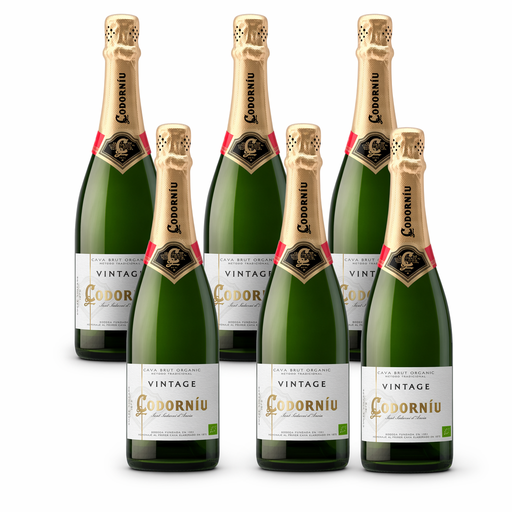
Why This Fits Their Persona: Perfect for those hosting a gathering or stocking up. This case deal offers excellent value for a crowd-pleasing Cava, ensuring you have a quality party fizz on hand without a hefty price tag.
It sidesteps the "Champagne or nothing" fallacy by delivering the complexity of the traditional method at a fraction of the cost. The "Brut" label clearly indicates a dry style, avoiding sweetness confusion.
Made using the traditional method, offering fine bubbles and a crisp, clean profile. The case deal provides exceptional value for money.
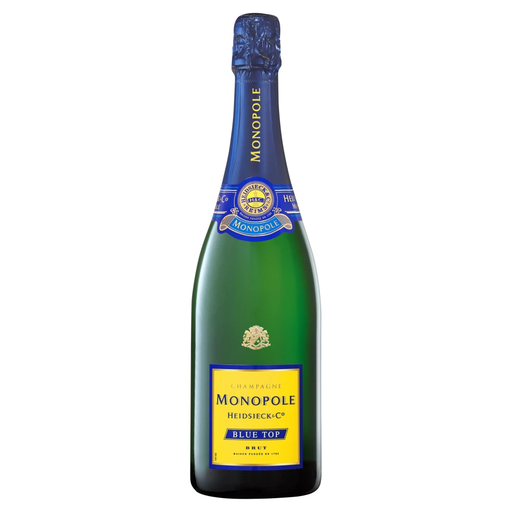
Why This Fits Their Persona: For those marking a special milestone, this classic Brut Champagne delivers the prestige and refined flavour profile expected of a true celebration wine. It's a reliable choice from a historic Champagne house.
This is an authentic Champagne, justifying its price with heritage and quality, thus avoiding the price vs. quality myth. The "Brut" label clearly communicates its dry, crisp style.
Features a classic Champagne profile with notes of citrus, white peach and brioche. Its fine bubbles and elegant finish make it ideal for toasting special occasions.
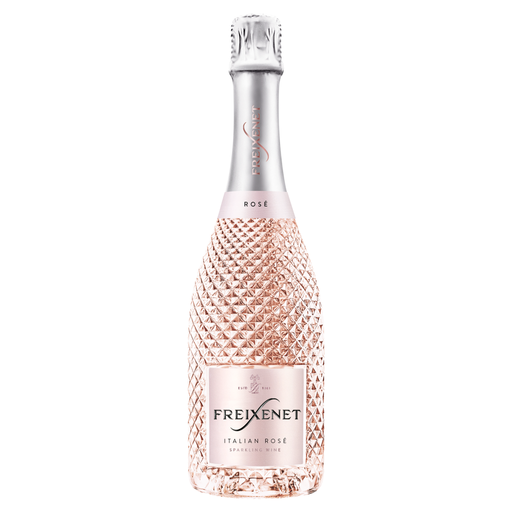
Why This Fits Their Persona: This rosé sparkling wine is as much about style as it is about taste. The distinctive cut-glass bottle makes a statement on any table, and its light, fruity profile is perfect for brunches, aperitifs or casual get-togethers.
It embraces its identity as a stylish Italian rosé, not a Champagne wannabe. Its appeal lies in its refreshing red berry flavours and visual flair, offering a different kind of value.
A balanced and refreshing flavour profile of sweet red berries and white flowers. The striking bottle design makes it an excellent gift or centrepiece.
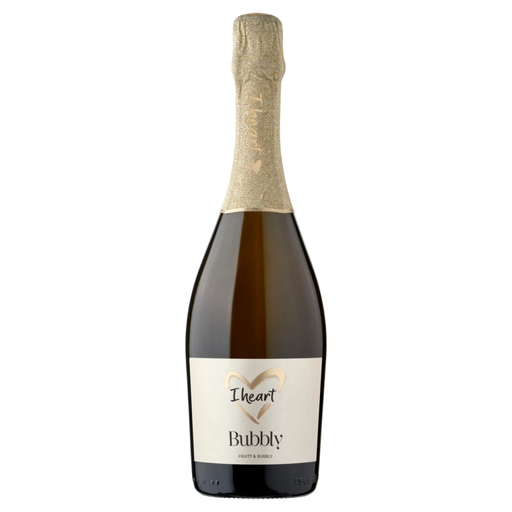
Why This Fits Their Persona: For those seeking a sophisticated non-alcoholic sparkling wine alternative, this offers the celebratory feel without the alcohol. It's a clean, crisp and refreshing choice for inclusive toasting.
It is clearly presented as a zero-alcohol sparkling drink, not an imitation wine. This manages expectations and focuses on its primary benefit: pure, bubbly refreshment.
Completely free of alcohol, sugar and calories. Its clean profile makes it a versatile mixer or a simple, elegant palate cleanser for any time of day.
We have compiled a complete, real-time list of products that fully satisfy these strict selection criteria and UK safety regulations.
The primary differences are the production method and the grape. Champagne is made in France using the traditional method, which creates complex, toasty flavours and fine bubbles. Prosecco is from Italy, made with the tank method from Glera grapes, resulting in a fresher, fruitier wine with lighter bubbles. This generally makes Prosecco more affordable.
Once opened, a bottle of sparkling wine will lose its fizz quite quickly. To preserve the bubbles for as long as possible, use a specialised sparkling wine stopper, which creates an airtight seal. When properly sealed and refrigerated, a bottle can last for 1 to 3 days, though the effervescence will gradually diminish.
Yes, you can easily buy sparkling wine online for home delivery. Many online retailers offer a wide selection, from individual bottles to cases, with various champagne delivery UK options available. This is a convenient way to explore different styles and have your chosen bottles delivered directly to your door, which is especially useful when planning for a party or sending a gift.