
24/7 Customer Support

Free returns

Same-day & Next-day Delivery

Quality Guaranteed

Unlock Your Welcome Offers: FREE Delivery | Up to 80% OFF | Free 30-day JoyPlus trial
Download the APP
Navigating the world of speciality rice online can feel like a challenge. You are trying to recreate an authentic dish you loved, but the sheer number of options is overwhelming. More frustratingly, a simple mistake in your purchase can mean the difference between a perfect meal and a culinary disappointment. Many home cooks in the UK find themselves with products that don't deliver the right texture or flavour, often due to confusing labels or marketing hype.
As the Joybuy Product Recommendation Officer, my role is to help you sidestep these common issues. Let's look at the most frequent pitfalls when you buy speciality rice online and how to get exactly what you need for your kitchen.
To ensure your culinary creations are a success, focus on these core parameters. They are the non-negotiable details that determine the final outcome of your dish.
The single most important factor is the type of rice grain, which dictates its texture upon cooking.
How the rice is processed dramatically affects its use.
To make your choice easier, we have matched some popular products to the home cooks who will appreciate them most.

Why This Fits Their Persona: For the home cook dedicated to recreating authentic Korean street food, having the right rice cake is non-negotiable. This product is specifically made for tteokbokki, providing the essential foundation for this iconic spicy dish.
It directly solves the "wrong texture" trap. These are the correct garaetteok-style cakes, ensuring a soft yet satisfyingly chewy bite that absorbs sauce perfectly without disintegrating.
Made from 100% rice for a pure flavour. Pre-cut and frozen for convenience, allowing you to cook them directly without thawing.
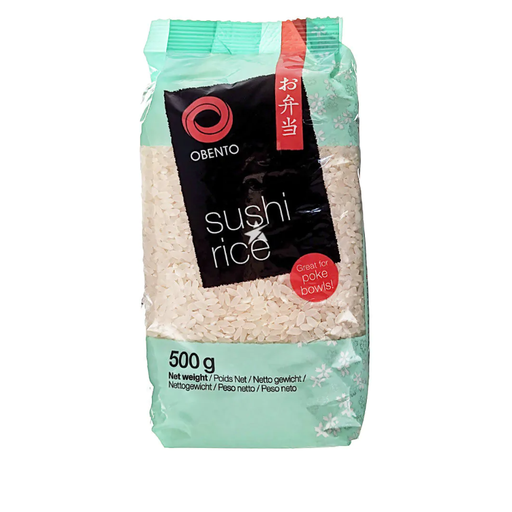
Why This Fits Their Persona: This cook understands that perfect sushi or onigiri starts with the rice. They seek a premium, reliable grain that provides the authentic texture and subtle sweetness required for Japanese cuisine.
This sidesteps the "misleading name" trap. It is a genuine premium short-grain sushi rice, cultivated specifically for its high starch content to ensure the ideal stickiness and structure.
Cooks to a glossy finish with plump, separate grains that hold their shape, which is the hallmark of high-quality sushi rice. The sushi rice 500g pack is a convenient size for home use.
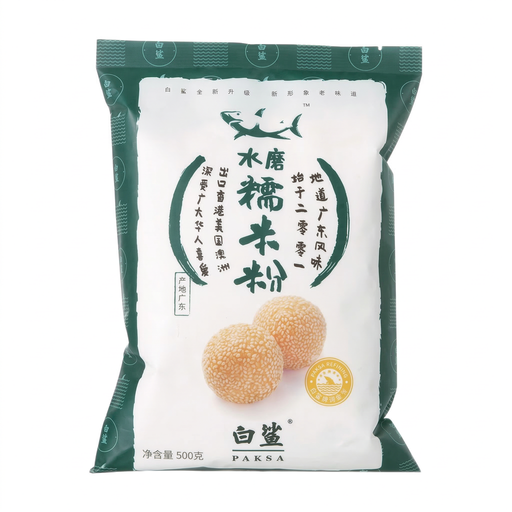
Why This Fits Their Persona: This person loves making a variety of Asian desserts, from Chinese tangyuan to Japanese mochi. They need a high-quality, reliable glutinous rice flour that serves as a versatile base for numerous sweet and savoury snacks.
It avoids the quality gamble. The specification of being wet-milled is a key indicator of quality, producing a finer, smoother flour that results in a superior soft and chewy texture in finished goods.
Made from 100% pure glutinous rice with no other additives. The fine texture ensures soft, non-sticky and elastic results for a wide range of traditional snacks.
We have compiled a complete, real-time list of products that fully satisfy these strict selection criteria and UK safety regulations.
The main difference is the type and amount of starch. Sushi rice is a short-grain rice high in amylopectin starch, which makes it sticky enough to hold its shape for sushi rolls. Glutinous rice, also known as sticky rice, has an even higher concentration of this starch, giving it a much chewier, denser and stickier texture. You cannot use them interchangeably; using glutinous rice for sushi would result in a dense, overly sticky clump.
For most uncooked, dry rice grains like basmati or sushi rice, store them in an airtight container in a cool, dark and dry cupboard. This protects them from moisture and pests. For speciality flours like glutinous rice flour, an airtight container is also essential to prevent it from absorbing moisture or odours. Frozen products like Korean rice cakes should be kept in the freezer at -18°C and sealed tightly after opening.
It is not recommended. The classic dish Korean rice cakes for tteokbokki uses a specific type called garaetteok, which are dense, cylindrical and very chewy. They are designed to hold up to simmering in a thick, spicy sauce. Other types of rice cakes, such as the flatter, sliced Chinese variety (nian gao), have a different texture and may become too soft or fall apart in the sauce. For an authentic result, always look for rice cakes specified for tteokbokki.