
24/7 Customer Support

Free returns

Same-day & Next-day Delivery

Quality Guaranteed

Unlock Your Welcome Offers: FREE Delivery | Up to 80% OFF | Free 30-day JoyPlus trial
Download the APP
Navigating the world of speciality tea online can feel overwhelming. With countless options promising unique flavours and benefits, it's easy to end up with a cupboard full of disappointing brews. As a Joybuy Product Recommendation Officer, my role is to help you sidestep the common pitfalls and find a tea that genuinely suits your taste and needs. Many shoppers find themselves paying a premium for products that don't live up to the marketing. Let's look at the frequent traps to avoid.
The first is the allure of vague "wellness" claims. Phrases like "detox blend" or "slimming tea" are often used without clear substance, leading you to pay more for standard ingredients. Secondly, there's the "premium dust" problem. You might purchase what is advertised as high-grade tea, only to open the box and find broken, dusty leaf fragments (known as fannings) that produce a bitter, one-dimensional brew. Finally, poor packaging can render even the finest tea stale and flavourless by the time it reaches your kitchen, a common issue when you buy speciality tea online in the UK.
To ensure you get what you pay for, focus on a few key details that indicate genuine quality. These parameters cut through the marketing clutter and empower you to make a confident choice.
The physical form of the tea leaf is a primary indicator of quality.
loose leaf green tea and high-quality pyramid bags. The leaves are largely intact, allowing them to unfurl during brewing. This releases a complex range of flavours and aromas gradually, resulting in a smoother, more nuanced cup with less bitterness.Where your tea comes from and how it's made defines its character. An organic black tea from Assam will taste completely different from a Japanese green tea.
hojicha tea bags contain green tea that has been roasted at a high temperature, giving it a nutty, toasty profile with lower caffeine. Look for clear descriptions of the processing method.Tea is sensitive to air, light and moisture. Proper packaging is not a luxury; it's essential for preserving the flavour and the natural compounds, such as those found in antioxidant tea. Look for opaque, airtight containers or resealable foil-lined pouches. This prevents the delicate aromatic oils from degrading, ensuring the tea you brew tastes as fresh as intended.
To help you get started, here are a few selections matched to different preferences, all of which meet our criteria for transparency and quality.
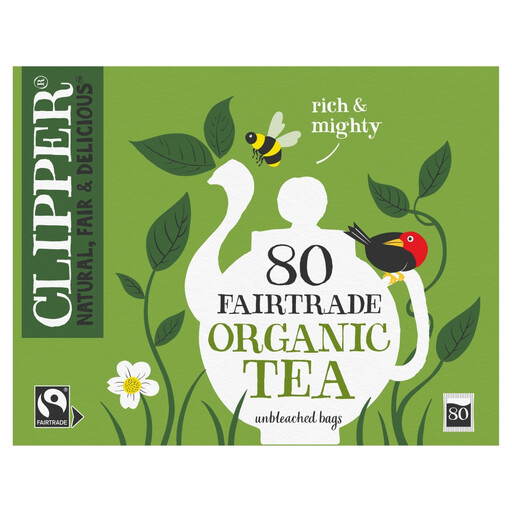
Why This Fits Their Persona: This is an ideal choice for someone who enjoys several cups of black tea a day and values ethical and environmental standards. It offers a reliable, robust flavour for a classic British cuppa, without the fuss.
It sidesteps the "premium dust" trap by being upfront about its purpose as a quality everyday tea. The Organic and Fairtrade certifications provide tangible, verifiable standards, ensuring you are not just paying for marketing.
A full-flavoured organic black tea blend. The bags are unbleached and plastic-free, aligning with environmentally conscious values.
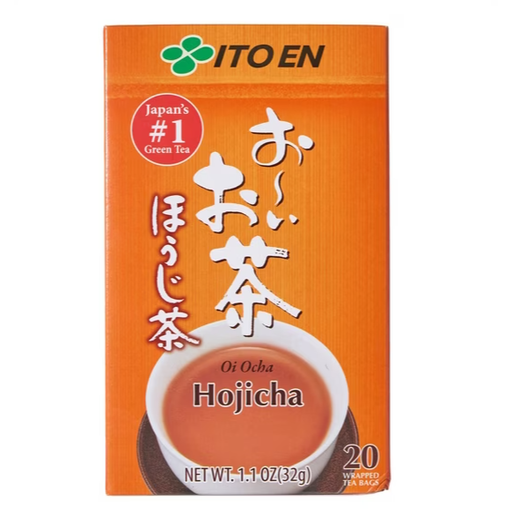
Why This Fits Their Persona: Perfect for someone exploring authentic Japanese teas beyond standard sencha. The toasty, nutty flavour of Hojicha offers a comforting, low-caffeine alternative that's enjoyable in the evening or as a latte.
This product avoids vague claims by being highly specific. It states it is made from 100% first-flush green tea from Japan and details the high-temperature direct flame roasting process, explaining exactly why it tastes the way it does.
Authentic roasted flavour with a smooth, non-bitter finish. The nylon pyramid bags allow for better infusion than paper and it's naturally low in caffeine.
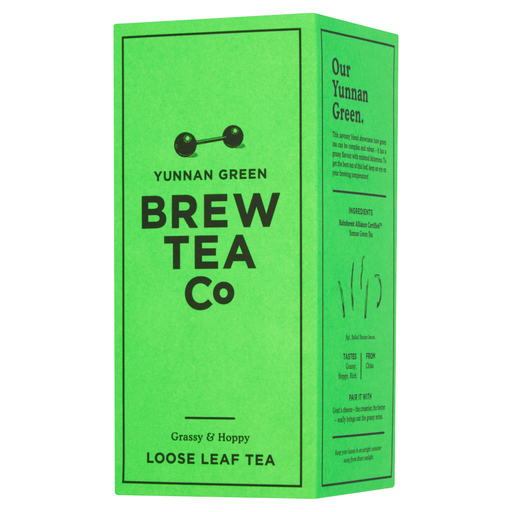
Why This Fits Their Persona: For the tea drinker who enjoys the ritual of brewing and seeks a more complex flavour profile. This Yunnan green tea offers a savoury, robust character that stands apart from more common green teas.
It directly counters the "premium dust" pitfall by explicitly marketing itself as being made from rolled whole leaves. The focus is on the tangible quality of the leaf and the resulting flavour, not on unsubstantiated health benefits.
Made from whole leaves for a richer, less bitter taste. The specific Yunnan origin provides a unique, savoury flavour profile that connoisseurs will appreciate.
Beyond traditional teas, many are exploring infusions for flavour and comfort. A popular choice is a soothing honey ginger tea, and for those who like to create their own blends, having ingredients like frozen lemongrass on hand is a convenient way to add a fresh, citrusy note. This is part of a broader trend of exploring global flavours, where people who buy Asian groceries online can easily access authentic ingredients for their culinary adventures.
We have compiled a complete, real-time list of products that fully satisfy these strict selection criteria and UK safety regulations.
The primary difference lies in the processing. Most Japanese green tea is steamed soon after harvesting. This method, called "kill-green," halts oxidation and preserves a vibrant green colour and a distinct savoury, oceanic or "umami" flavour. In contrast, most Chinese green teas are pan-fired or roasted in a large wok, which gives them a milder, toastier and more earthy flavour profile.
There are three simple indicators. First, the aroma should be potent and characteristic of the tea type; stale tea smells flat or dusty. Second, the leaves should have a slight pliability and a vibrant, not dull, colour. If they are extremely brittle and crumble to dust with gentle pressure, they are likely old. Finally, the brewed tea should have a clear, bright liquor and a rich, complex flavour.
The Fairtrade certification is primarily an ethical standard. It ensures that farmers and workers in developing countries receive a fair price and have decent working conditions. While this doesn't automatically guarantee a superior taste, the fair price often enables producers to invest in better farming practices and equipment, which can lead to a higher-quality product. It's a mark of responsible sourcing, which many discerning consumers see as an integral part of a quality product.