
24/7 Customer Support

Free returns

Same-day & Next-day Delivery

Quality Guaranteed

Unlock Your Welcome Offers: FREE Delivery | Up to 80% OFF | Free 30-day JoyPlus trial
Download the APP
A well-stocked spice rack is the heart of a creative kitchen, transforming simple ingredients into memorable meals. Whether you're attempting a fiery Caribbean curry, a fragrant Asian stir-fry, or a classic British bake, the right herbs, spices and seasonings are crucial. However, when you buy spices online in the UK, it's easy to fall into common traps that lead to disappointing flavours and wasted money.
As a Joybuy Product Recommendation Officer, my role is to help you navigate the crowded online marketplace. Here’s a straightforward guide to avoiding the pitfalls and selecting quality seasonings that deliver on their promise, ensuring your culinary adventures are always a success.
To ensure you get potent, flavourful products, focus on these key details before adding anything to your basket.
The ingredients list is your most reliable source of information. For a single spice like cinnamon or chilli powder, the ingredient should be just that one item. For spice mixes, the primary spices should be listed first, indicating they are the most prominent ingredients. Be wary of lists that start with salt, sugar, or flour. While flavour enhancers like monosodium glutamate (MSG) are common in many all purpose seasoning blends and are perfectly fine for many, it's important that you know they are there so you can make an informed choice based on your preferences.
How a spice is packaged is a strong indicator of its quality and shelf-life. Light, air and moisture are the enemies of freshness. Look for products in:
If you're cooking a specific dish, such as Thai Laab or Nigerian Suya, look for a seasoning mix explicitly designed for that purpose. A generic curry powder will not produce the same result as a targeted Tandoori Masala. Specialised world food seasonings are formulated with the correct balance of ingredients, like roasted rice powder in Thai salads or ground peanuts in Caribbean seasoning, which are difficult to replicate with all-purpose blends.
Here are a few recommendations from our catalogue, matched to different cooking styles and needs, that align with the quality markers discussed above.
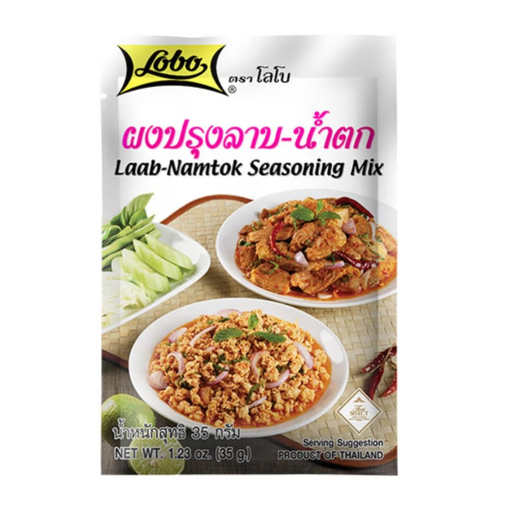
Why This Fits Their Persona: For those in the UK eager to recreate authentic Thai street food, this mix is a perfect shortcut. It provides the specific, complex flavour base for Laab (minced meat salad), saving you from sourcing niche ingredients like toasted rice powder and galangal.
It sidesteps the "authentic flavour" illusion by being a purpose-built blend for a specific dish. The ingredients list features Roasted Rice Powder prominently, a key component for genuine Laab texture and taste.
Delivers the signature tangy, spicy and savoury profile of a classic Thai dish with minimal effort. It's a convenient way to explore specific Asian spices.
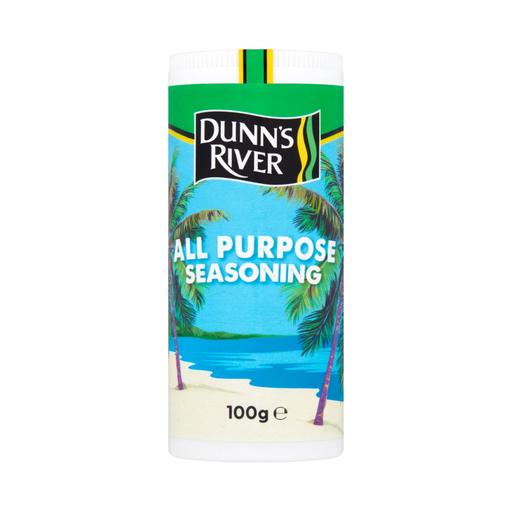
Why This Fits Their Persona: This is a go-to for adding a reliable, savoury kick to almost any dish—from chicken and fish to vegetables and stews. It's a time-saver for UK households needing a quick and consistent flavour boost without measuring out multiple spices.
While it is an all-purpose blend with salt and MSG, it delivers a distinct and well-regarded Caribbean seasoning profile. It avoids the bland filler trap by providing a robust, savoury flavour rather than just saltiness.
Extremely versatile for everyday cooking. The shaker tub is convenient for quick seasoning and helps keep the product fresh.
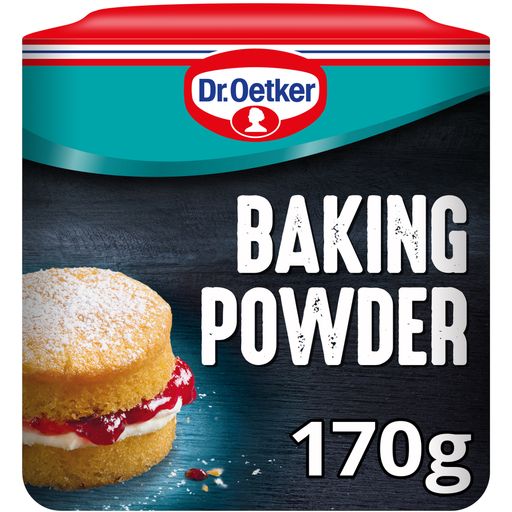
Why This Fits Their Persona: For the home baker who needs to cater to specific dietary needs, this product is a kitchen essential. It provides a reliable raising agent for cakes, scones and muffins without the risk of gluten contamination.
This product directly counters the "hidden fillers" trap. It is explicitly formulated to be Gluten Free, offering peace of mind for those with coeliac disease or gluten sensitivity, where hidden wheat starch in other products can be a problem.
A reliable, certified product from a trusted brand. The resealable tub ensures it stays fresh and active in the pantry for consistent baking results.
We have compiled a complete, real-time list of products that fully satisfy these strict selection criteria and UK safety regulations.
1. How long do herbs and spices actually last? While many spices have a "best before" date, their true lifespan depends on their form and how they are stored. As a general rule, ground spices are at their peak for 1-2 years, while whole spices (like peppercorns or cloves) can last 3-4 years. The key is potency. If a spice no longer has a strong aroma when you open the container, it has likely lost most of its flavour and should be replaced.
2. Is it cheaper to buy spice mixes or individual spices? It depends on your cooking habits. If you are making a specific dish that requires a complex blend you're unlikely to use often, a pre-made spice mix is often more convenient and cost-effective. However, for staple cooking spices that you use regularly (like garlic powder, paprika, or oregano), buying them individually is usually better value and gives you more control over the final flavour of your dishes.
3. What is the difference between "curry powder" and a specific masala? Generic curry powder, as it's known in the UK, is typically a Westernised blend of spices like turmeric, cumin and coriander, offering a mild, all-purpose curry flavour. A "masala," on the other hand, is the Hindi word for a spice blend, and these are usually much more specific. For example, a Tandoori Masala is designed for tandoor-style cooking, while a Garam Masala is an aromatic finishing spice. Using the right masala is key to achieving an authentic taste for a particular Indian dish.