
24/7 Customer Support

Free returns

Same-day & Next-day Delivery

Quality Guaranteed

Unlock Your Welcome Offers: FREE Delivery | Up to 80% OFF | Free 30-day JoyPlus trial
Download the APP
Buying spices online can make it easier to explore Caribbean, South Asian, Middle Eastern and global cooking. However, attractive packaging and broad flavour claims do not always tell you whether a product suits your recipes, dietary needs or cupboard space. If you want to buy spices and seasonings online UK shoppers can rely on, check the details behind the label before adding to your basket.
A jar labelled paprika powder, garlic powder or cinnamon powder may contain one ingredient, while a barbecue seasoning or all-purpose seasoning usually combines salt, sugar, herbs, spices, flavourings and anti-caking agents.
This matters because a pure spice lets you control seasoning more precisely. A blend can be convenient, but may contribute considerably more salt. For example, the listed nutrition information for some jerk, chicken and all-purpose seasonings shows high salt levels per 100g. Treat these products as concentrated flavourings rather than using them as a direct replacement for ordinary pepper or herbs.
“Hot” descriptions can be subjective. Extra hot chilli powder is intended to add significant heat, while paprika powder generally contributes colour and a milder, slightly sweet pepper flavour. Cayenne pepper can also bring noticeable heat, so start with a small amount and adjust after cooking.
Check whether the ingredient list says 100% ground red chillies, as with the listed Rajah product, or whether the item is a blend containing salt, sugar and other spices.
Seasonings may contain ingredients that are not expected from the name alone. Barbecue seasoning can include wheat and soya, while some Cajun seasoning contains celery and mustard. Biryani spice mix may contain wheat or milk, depending on the recipe.
Always read the current packaging for allergen information, best-before dates and instructions. Some whole spices, such as cassia bark, are intended to infuse cooked dishes and should be removed before serving. Powdered products can also require cooking rather than being eaten directly.
For individual spices, look for a short ingredient list. Examples include:
For blends, compare the order of ingredients. Ingredients are generally listed by weight, so salt near the beginning indicates that the blend may be primarily a seasoning salt. Also check nutrition panels: some listed products contain between 20g and 77.5g salt per 100g.
Powders disperse quickly and work well in everyday cooking. Whole or coarse formats can offer more control:
Ready-to-use blends are practical when you cook particular dishes regularly. Jerk seasoning can combine pimento, chilli, thyme, garlic and onion for chicken, pork, fish or vegetables. Curry goat seasoning may include turmeric, cumin, coriander, fenugreek and allspice. Cajun seasoning, chicken seasoning and barbecue seasoning each have different ingredient profiles, so compare labels rather than assuming they are interchangeable.
For vegetarian cooking, look for clear suitability information and check for milk, celery, mustard or other allergens. A vegetarian spice blend can still contain a substantial amount of salt.
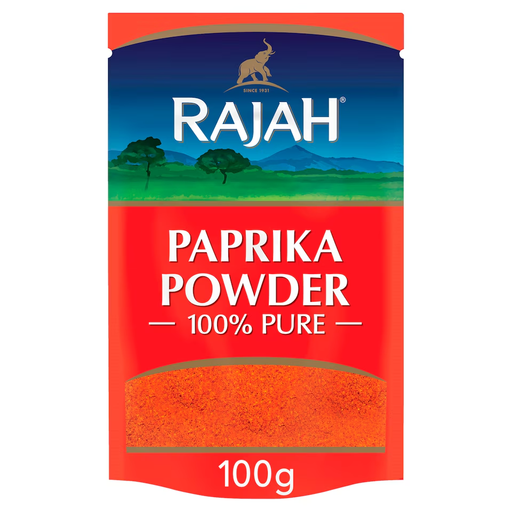
Why This Fits Their Persona: A practical starting point for UK cooks building a basic spice cupboard. The 100g pack can be used with roasted potatoes, vegetables, marinades and meat or tofu dishes.
The ingredient information identifies 100% paprika, helping distinguish it from blends that may contain added salt or sugar.
Fine powder; suitable for vegetarian dishes; adds colour and a mild, sweet pepper note.
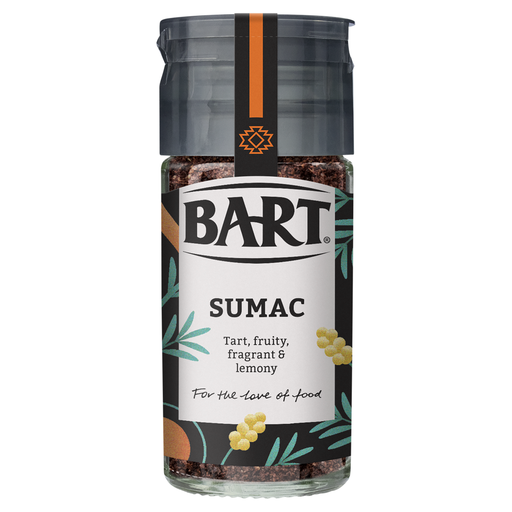
Why This Fits Their Persona: Suits cooks who want a distinctive ingredient for salads, baked feta, roasted vegetables and Middle Eastern-inspired recipes.
The listed ingredients are sumac and salt, so shoppers can assess the product rather than relying only on flavour language.
44g pack; suitable for vegetarians; tart, fruity and lemon-like flavour profile.
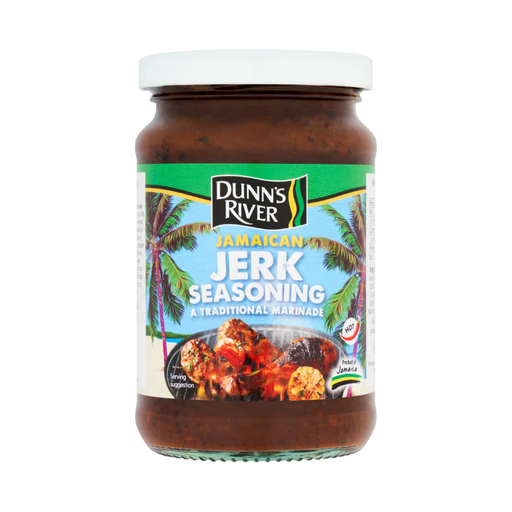
Why This Fits Their Persona: The larger jar suits regular cooks preparing jerk-style chicken, pork, fish or vegetables for family meals and gatherings.
The product information clearly lists flavour enhancers and identifies it as a high-salt seasoning, encouraging measured use.
300g jar; includes pimento, chilli, thyme, onion and garlic; suitable for grilling, roasting and marinating.
We have compiled a complete, real-time list of products that fully satisfy these strict selection criteria and UK safety regulations.
Keep spices and herbs in a cool, dry cupboard, away from sunlight, steam and heat from the hob. Close jars and resealable bags securely after each use. Use a clean, dry spoon to prevent moisture entering the container and avoid storing powders beside a kettle or sink.
Dried thyme, cinnamon powder, ground sumac and garlic powder gradually lose aroma after opening. The best-before date indicates the manufacturer’s quality guidance, but storage conditions also affect flavour. Replace products if the packaging is damaged, the powder has an unusual odour or moisture has caused persistent clumping.
Larger packs can offer a lower cost per gram, particularly for frequently used jerk seasoning, curry blends or dried herbs. However, a smaller pack may represent better value if you cook a spice only occasionally, as flavour can fade before it is used. Compare the price per 100g and check the best-before date.
Cinnamon powder is ground and ready to mix into baking, drinks and savoury dishes. Cassia bark is sold in whole pieces for infusing curries, biryanis, stews and spiced drinks. It should generally be removed before serving. Check the product description and use instructions before ordering.
Start with pure ingredients such as paprika, garlic powder, dried thyme, coarse black pepper or ground sumac. For blends, check the full ingredients and allergen statement. Some products are marked suitable for vegetarians, but may still contain high levels of salt or flavour enhancers, so use them sparingly.