
24/7 Customer Support

Free returns

Same-day & Next-day Delivery

Quality Guaranteed

Unlock Your Welcome Offers: FREE Delivery | Up to 80% OFF | Free 30-day JoyPlus trial
Download the APP
Ordering meat and fish online can be convenient, but attractive descriptions do not always reveal whether a product suits your meal, storage space or cooking method. If you want to buy steaks online UK retailers offer, compare the practical details first: cut, weight, storage condition, provenance and intended use.
The following guide helps UK home cooks, barbecue enthusiasts and professional kitchens avoid common buying mistakes while comparing premium steaks, beef steaks, pork steaks and fish steaks.
Words such as “premium”, “restaurant-style” and “tender” can sound persuasive, but different cuts are designed for different cooking times. Fillet steak is naturally lean and tender, while chuck, shank and short ribs contain more connective tissue and are generally better for slow cooking.
A bavette steak can offer strong flavour and quick preparation, but its grain needs to be identified and sliced correctly after cooking. Choosing a cut because of its description alone can lead to disappointing texture.
A product may look good value until you calculate the actual portion. A 250g sirloin steak is usually a substantial individual serving, whereas a 500g pack of diced beef or short rib may be intended for several people and a different recipe.
Check whether the listing specifies total pack weight, number of portions and individual weight. This is especially important when ordering for a barbecue, dinner party or professional kitchen.
Chilled beef and pork need prompt refrigeration, while frozen steaks require freezer space and careful defrosting. Tinned tuna steaks are ambient products, but opened contents still need refrigeration and timely consumption.
Do not assume that “frozen fresh” means a product can be refrozen. Follow the packaging instructions, keep chilled meat at the stated temperature and check the use-by or best-before information when your delivery arrives.
Match the steak to your planned dish:
For slow-cooked dishes, consider beef short ribs, chuck or shank rather than a delicate fillet.
Dry-aged steak is usually described with an ageing period, such as 21 or 28 days. Ageing can concentrate flavour and alter texture, but it does not make every cut appropriate for every recipe.
Look for clear information about:
These details make comparisons more meaningful than vague quality language. For instance, several HG Walter beef cuts in this selection are described as sourced from grass-fed Aberdeen Angus or Hereford cattle and dry-aged for a stated period. Always check the individual product page because specifications vary by cut.
For chilled meat, check the required refrigerator temperature, commonly between 0°C and 5°C, and store raw products on the lowest shelf to reduce cross-contamination risk. If you will not use the meat before its use-by date, freeze it only if the product instructions allow this.
Frozen steaks should remain at -18°C or below. Defrost them thoroughly in the refrigerator unless the packaging provides another safe method. Do not refreeze once thawed unless the label specifically permits it.
Tinned products are convenient for cupboards, but once opened, transfer unused tuna to a suitable container, refrigerate it and follow the stated consumption time.

Why This Fits Their Persona: A cupboard-friendly 160g option for salads, sandwiches, pasta and quick weekday meals without buying fresh meat for every occasion.
The listing clearly identifies tuna, sunflower oil, salt, net quantity and storage guidance, avoiding confusion between a preserved product and a raw tuna steak.
Ready to eat; 160g net quantity; suitable for several fast meal formats.
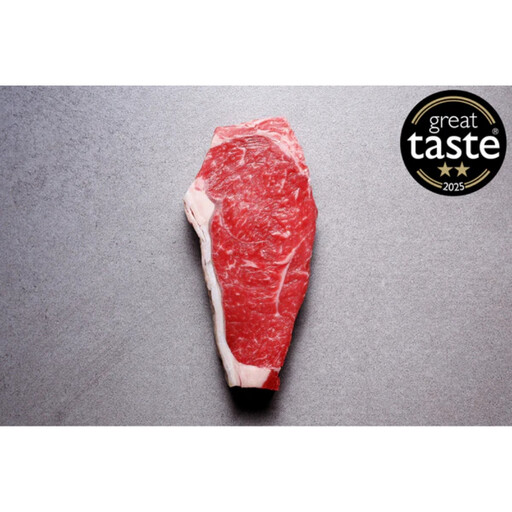
Why This Fits Their Persona: A substantial individual sirloin for a weekend dinner, special meal or elevated home barbecue.
The product gives a defined 250g portion, lists prime dry-aged beef sirloin as the sole ingredient and states chilled storage between 0°C and 4°C.
Classic sirloin fat cap; UK origin stated; suitable for pan-searing or barbecuing.
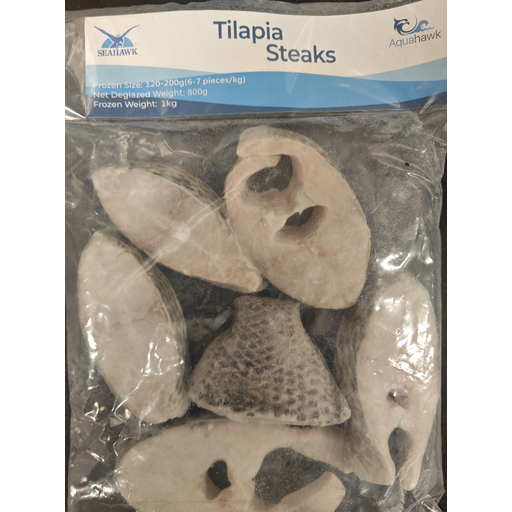
Why This Fits Their Persona: A larger frozen pack for families, meal planners, caterers and cooks who want fish steaks available for multiple recipes.
The pack states the approximate count and 800g net weight, making it easier to plan portions than a listing that only uses promotional wording.
Frozen format; 6/7 steaks per pack; suitable for frying, grilling and baking.
We have compiled a complete, real-time list of products that fully satisfy these strict selection criteria and UK safety regulations.
Yes, provided the product arrives properly chilled or frozen and the packaging is intact. Move chilled meat into the refrigerator promptly, check the temperature guidance and follow the use-by date. Do not use meat from damaged packaging or food that has not been kept at the stated temperature.
Choose chilled steaks when you plan to cook them soon and have enough refrigerator space. Frozen steaks are practical for batch buying and meal planning, but they need suitable freezer storage and careful defrosting. Frozen steaks should not be refrozen after thawing unless the product instructions say otherwise.
Sirloin, T-bone, bavette, pork neck and pork collar steaks can all suit high-heat cooking when prepared according to the product guidance. Choose a cut based on thickness and fat content, preheat the grill or barbecue thoroughly and use a food thermometer where appropriate. Rest beef before slicing, particularly with bavette, and cut across the grain for a more manageable bite.