
24/7 Customer Support

Free returns

Same-day & Next-day Delivery

Quality Guaranteed

Unlock Your Welcome Offers: FREE Delivery | Up to 80% OFF | Free 30-day JoyPlus trial
Download the APP
From a simple cup of tea to an elaborate celebration cake, sugar is a cornerstone of the British kitchen. But with so many types on the shelf, choosing the right one can feel surprisingly complex. Buying the wrong sugar or sweetener online not only affects your recipe's outcome but can also be a waste of money. As your Joybuy Product Recommendation Officer, my role is to help you navigate the options and find exactly what you need for your culinary projects.
Many shoppers fall into a few common traps. The most frequent is using the wrong crystal size for the job—for instance, using coarse granulated sugar in a delicate meringue, resulting in a gritty texture. Another pitfall is grabbing any brown sugar for a recipe that calls for a specific type, like palm sugar, thereby missing the authentic flavour profile. Finally, many are unsure how to use a sugar substitute, leading to disappointing results in baking. Let's break down what really matters.
To avoid these issues, focus on a few core characteristics. Understanding these will ensure you select the perfect sugar or sweetener every time you shop.
The size of the sugar crystal directly impacts how it dissolves and incorporates into other ingredients. This is a non-negotiable factor for any home baker.
The difference between white and brown sugar lies in the amount of molasses, a by-product of the sugar refining process. This affects not just the colour, but also the flavour and moisture of your final product.
For certain recipes or dietary needs, standard sugars won't do. Exploring specialty options can elevate your cooking or help you meet specific health goals.
To make your choice easier, here are a few recommendations matched to different needs and culinary goals.
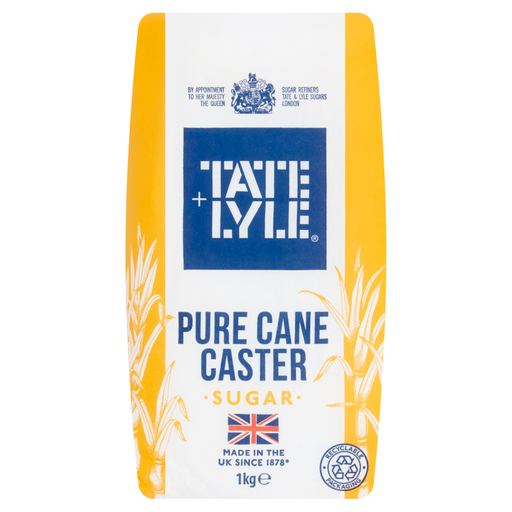
Why This Fits Their Persona: For the baker who loves making light sponges, crisp meringues and smooth cheesecakes, caster sugar is a non-negotiable pantry staple. Its fine crystals ensure a professional finish in classic British bakes.
This avoids the common pitfall of using granulated sugar in delicate recipes. The fine texture dissolves quickly, preventing a grainy or heavy result in your cakes and desserts.
Made from 100% pure cane sugar, it provides consistent results. The fine grain adds volume to creamed mixtures, creating lighter bakes.
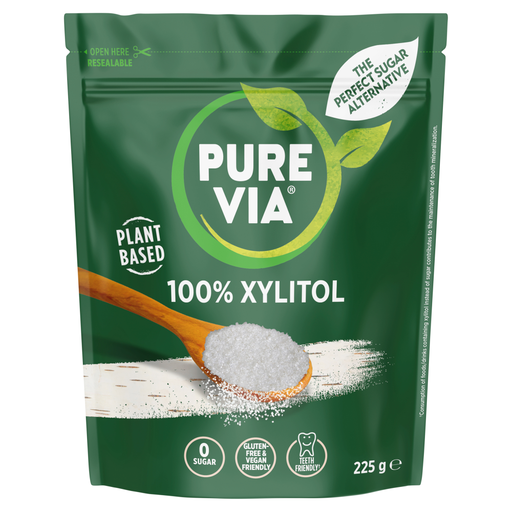
Why This Fits Their Persona: Ideal for anyone following a low-sugar, keto or paleo lifestyle. This plant-based sweetener provides a sugar-like taste and texture for sweetening drinks or for use in specific recipes.
This product clearly states it is 100% xylitol, avoiding the trap of blended sweeteners with hidden ingredients. It allows for precise control over sugar intake.
Contains 0g of sugar and, according to the brand, 40% fewer calories than sugar. It is also gluten-free and suitable for vegans.

Why This Fits Their Persona: For the cook dedicated to recreating authentic Southeast Asian flavours, palm sugar is essential. Its rich, caramel-like sweetness with hints of butterscotch is impossible to replicate with standard brown sugar.
This avoids the pitfall of compromising flavour. Using genuine palm sugar ensures your curries, sauces and desserts have the intended depth and authenticity.
Made from 100% palm sugar, it is unrefined and provides a complex sweetness. It comes in a solid block, which can be grated or chopped as needed for recipes.
We have compiled a complete, real-time list of products that fully satisfy these strict selection criteria and UK safety regulations.
The main difference is the crystal size. Caster sugar has much finer crystals than granulated sugar. This allows it to dissolve more quickly and incorporate more evenly into batters and mixtures, making it the preferred choice for light cakes, meringues and mousses where a smooth texture is critical. Granulated sugar is better suited for sweetening hot drinks or for recipes where its coarse texture is a benefit, such as in some biscuit doughs.
Brown sugar hardens when its natural moisture evaporates. To prevent this, store it in an airtight container as soon as you open the packet. If your sugar has already gone hard, you can soften it by placing a slice of bread or a piece of apple in the container for a day or two; the sugar will absorb the moisture and become soft again.
Yes, you can use xylitol for baking, but it's not always a direct 1:1 replacement for sugar by weight or volume. Xylitol has a similar level of sweetness to sugar but absorbs more moisture, which can affect the texture of bakes. It also doesn't caramelise like sugar, so it won't provide the same browning. It's often a good idea to start by following recipes specifically developed for xylitol or by substituting a portion of the sugar to see how it affects your results.