
24/7 Customer Support

Free returns

Same-day & Next-day Delivery

Quality Guaranteed

Unlock Your Welcome Offers: FREE Delivery | Up to 80% OFF | Free 30-day JoyPlus trial
Download the APP
From the perfect rise on a Victoria sponge to the simple sweetness in a morning cup of tea, sugar is a non-negotiable staple in most UK kitchens. Yet, when you decide to buy sugar online, the sheer variety can be surprisingly complex. What seems like a simple purchase can lead to baking disappointments and wasted money if you pick the wrong type.
As the Joybuy Product Recommendation Officer, my role is to help you navigate these choices. We will look past the marketing claims to focus on what truly matters for your baking, cooking and daily use, ensuring you get the right product for the right price.
A quick shop can easily go wrong. Many shoppers fall into a few common traps that result in gritty cakes or a pantry full of the wrong product.
To ensure your sugar performs as expected, focus on these two key factors.
The name of the sugar usually tells you its intended purpose, which is directly related to its crystal size.
Knowing where your sugar comes from can be important for both quality and ethical reasons.
To simplify your choice, we have matched some reliable options to common UK household needs.
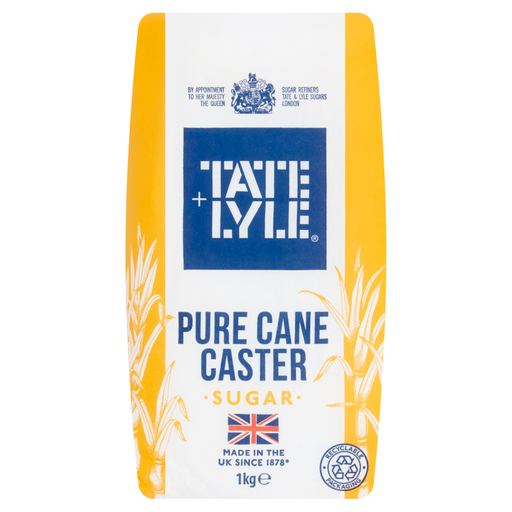
Why This Fits Their Persona: This is a quintessential baker's staple. For someone who regularly makes cakes, biscuits and desserts, having a reliable caster sugar is essential. This 1kg bag from a heritage brand is a perfect pantry workhorse.
It directly solves the "crystal size mix-up" by being the correct fine-grain sugar for delicate baking, ensuring light sponges and smooth meringues without the grittiness of granulated sugar.
Made from 100% pure cane sugar, its fine crystals dissolve quickly to add volume and create a superior texture in bakes. It is a trusted choice for consistent results.
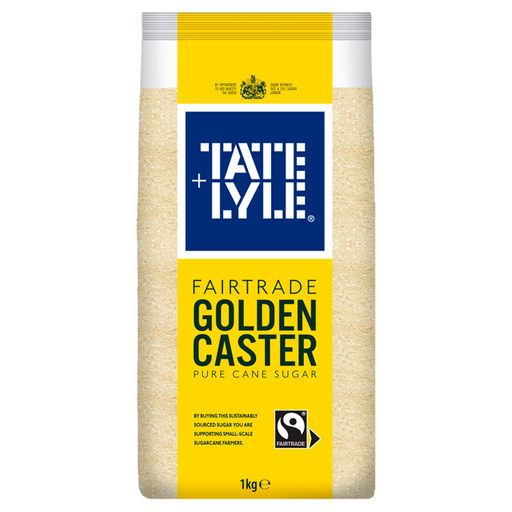
Why This Fits Their Persona: For shoppers who want their purchases to have a positive impact, this sugar is an ideal choice. It combines high-quality baking performance with a clear ethical commitment.
This product clearly displays its Fairtrade certification, removing any ambiguity for consumers who want to avoid the pitfall of unknowingly buying from non-certified sources.
It is an unrefined cane sugar that retains natural molasses, giving it a golden colour and subtle honeyed notes. It supports small-scale farmers while elevating bakes like biscuits and caramel.
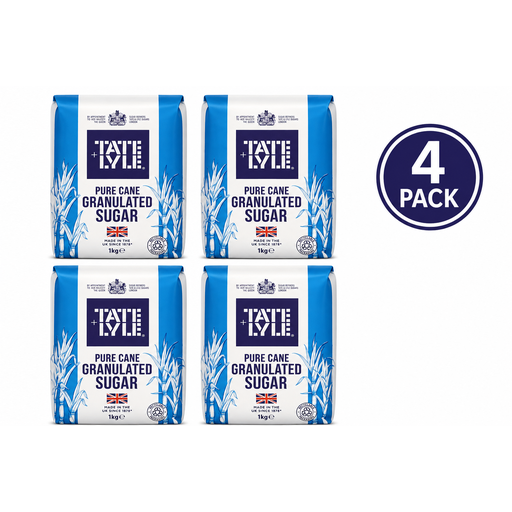
Why This Fits Their Persona: For busy households that get through a lot of sugar for tea, coffee and general cooking, this multi-pack is a practical and cost-effective solution. It ensures the pantry is always stocked with an everyday essential.
This is a straightforward bulk purchase of standard granulated sugar. It avoids the trap of paying a premium for smaller, "speciality" coffee sugars by providing a versatile product that does the same job.
Buying in a multi-pack offers convenience and better value for money. This multi-purpose sugar is suitable for everything from sweetening drinks to making homemade jams and preserves.
We have compiled a complete, real-time list of products that fully satisfy these strict selection criteria and UK safety regulations.
1. What is the real difference between caster sugar and granulated sugar? The primary difference is the crystal size. Granulated sugar has larger, coarser crystals, while caster sugar has much finer crystals. This affects how quickly they dissolve. Caster sugar's fine texture allows it to dissolve rapidly and incorporate more air into mixtures, which is why it is preferred for light and airy cakes, meringues and mousses. Granulated sugar is better for applications where it has plenty of time to dissolve, like in hot drinks or during the long boiling process of jam-making.
2. Can I use granulated sugar instead of caster sugar in baking? While you can substitute it in a pinch, it is not recommended for delicate bakes. In recipes like sponges or meringues, granulated sugar may not fully dissolve, resulting in a gritty texture and a less voluminous, denser final product. For a better result, you could try processing granulated sugar in a food processor for a few seconds to break down the crystals, though it will not be a perfect match for true caster sugar.
3. Does sugar go off? When stored correctly, sugar has an indefinite shelf life. It is a natural preservative and does not support microbial growth. The key is to store it in a cool, dry place in an airtight container. If exposed to moisture, it can form hard clumps, but it is still safe to use. You can break up the clumps before measuring. Icing sugar is the exception, as the added maize starch can degrade over a very long time, but it will still be usable for years.