
24/7 Customer Support

Free returns

Same-day & Next-day Delivery

Quality Guaranteed

Unlock Your Welcome Offers: FREE Delivery | Up to 80% OFF | Free 30-day JoyPlus trial
Download the APP
From your morning cuppa to a show-stopping Victoria sponge, sugar is a fundamental pantry staple. Yet, when you try to buy sugar online UK, the sheer variety can be baffling. Granulated, caster, rock, brown—what’s the real difference, and are you paying for features you don’t need? As the Joybuy Product Recommendation Officer, my role is to help you navigate the options and select the right product for your needs, avoiding common shopping pitfalls.
Many of us have faced disappointment in the kitchen. Perhaps your cake turned out dense and gritty, or your attempt at a traditional Chinese rock sugar pear drink lacked authentic flavour. These issues often stem from choosing the wrong type of sugar. Let's look at the most common traps:
Understanding a few key parameters can ensure you get the right product for the job every time.
Before adding any sugar or sweetener to your basket, consider these three factors. They are far more important than marketing buzzwords and will directly impact your cooking and baking results.
The size of the sugar crystal determines how quickly it dissolves and how it behaves in a recipe. This is the most critical factor in sugar for baking.
The difference between white and brown sugar lies in one ingredient: molasses. This byproduct of the sugar refining process dictates the colour, flavour and moisture content.
For anyone delving into Asian cooking, understanding Chinese rock sugar is a game-changer. The two main types serve very different purposes.
Based on these practical parameters, we've matched a few standout products to specific user needs.
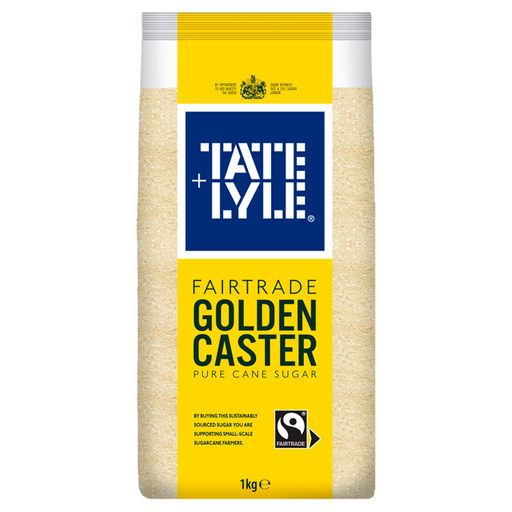
Why This Fits Their Persona: For the UK baker who values consistency, this Tate & Lyle sugar delivers reliable results in sponges, meringues and biscuits. The Fairtrade certification also appeals to those who want to make ethically-conscious purchasing decisions.
This is a true caster sugar, not just "fine sugar." Its extra-fine crystal structure is specifically designed for baking, preventing the grainy texture that can result from using standard granulated sugar.
The unrefined golden colour adds a subtle honeyed note to bakes. Its fast-dissolving nature ensures a light, even texture in cakes and mousses.
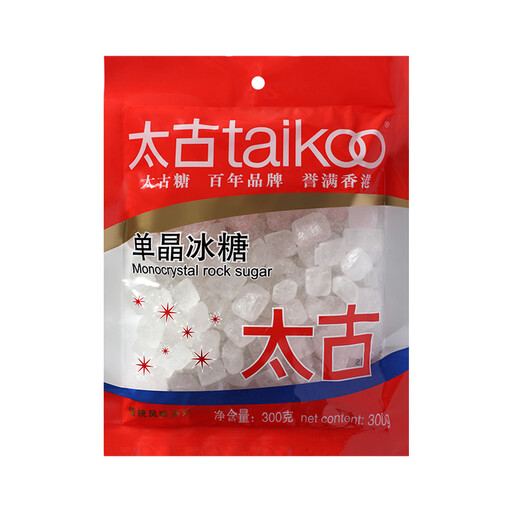
Why This Fits Their Persona: For those aiming to replicate authentic Chinese recipes, from sweet snow fungus soup to herbal teas, this Taikoo sugar is an essential ingredient that provides the correct type of sweetness and clarity.
This solves the "rock sugar riddle" by being the correct monocrystal form. It dissolves quickly and cleanly, unlike polycrystal variants that would cloud a delicate drink or dessert.
The small, uniform crystals offer pure sweetness without any distracting caramel notes, allowing the primary ingredients (like pear or herbs) to shine. It is a staple for many traditional recipes.
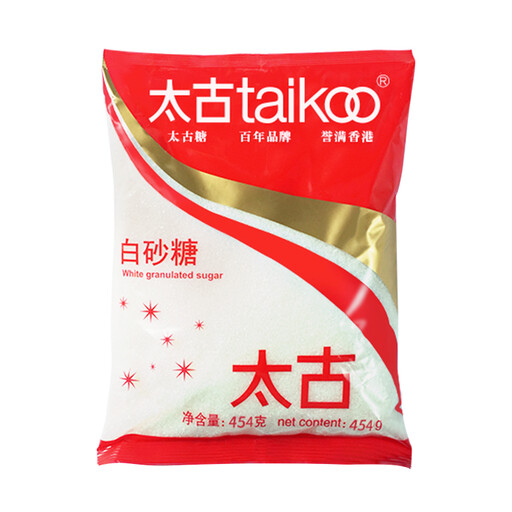
Why This Fits Their Persona: This is a reliable, all-purpose granulated sugar for daily use. It's a practical choice for sweetening tea and coffee, sprinkling on cereal and for general cooking where a specialty sugar isn't required.
It avoids the trap of overpaying. This is a straightforward, quality product for its primary function—sweetening—without the premium price tag of a specialty baking or finishing sugar.
A pure, refined white sugar that delivers consistent sweetness. It's a versatile and economical pantry staple from a trusted brand.
We have compiled a complete, real-time list of products that fully satisfy these strict selection criteria and UK safety regulations.
While you can in a pinch for some robust recipes like crumbles, it is not recommended for delicate cakes, meringues or custards. Caster sugar's fine crystals dissolve more evenly and incorporate more air during creaming, resulting in a lighter, finer crumb. Using granulated sugar can leave you with a denser, slightly gritty texture.
White monocrystal rock sugar is highly refined, dissolves quickly, and has a clean, neutral taste. It's best for sweetening drinks, clear soups and desserts where you don't want to add colour or a caramel flavour. Yellow rock sugar is less refined, dissolves slowly, and has a mild honey-like taste. Its slow-dissolving property makes it ideal for adding a glossy sheen and deep, complex sweetness to slow-cooked braises and stews.
Brown sugar hardens when its natural moisture evaporates. The most effective way to prevent this is to store it in a sealed, airtight container. If your sugar has already turned into a solid block, you can revive it by placing a slice of fresh bread or a piece of apple peel inside the container for a day or two; the sugar will absorb the moisture and soften up again.