
24/7 Customer Support

Free returns

Same-day & Next-day Delivery

Quality Guaranteed

Unlock Your Welcome Offers: FREE Delivery | Up to 80% OFF | Free 30-day JoyPlus trial
Download the APP
The appeal of crafting perfect sushi at home is strong, but the journey from kitchen to plate can be confusing. Many aspiring home chefs in the UK find their initial enthusiasm dampened by supermarket aisles filled with perplexing labels and kits that promise more than they deliver. Before you buy sushi ingredients online UK, it's crucial to understand the common traps that lead to disappointing results and wasted money.
To assemble a proper collection of sushi making ingredients, focus on getting the core components right. Understanding these three key seasonings will make all the difference.
The most critical element for flavouring your rice is sushi vinegar, known as sushi-zu in Japanese. This is not the same as plain rice vinegar. It is a pre-mixed condiment that has been carefully balanced with sugar and salt.
Mirin is essential for many Japanese cooking ingredients lists, providing a unique sweetness and glossy sheen to dishes like teriyaki, glazes and sauces. For most UK home cooks, a 'mirin-style' sweet cooking seasoning is the most practical option.
Don't reach for just any dark soy sauce. The intense saltiness of a standard soy sauce can easily overpower the delicate flavours of fresh fish and seasoned rice.
We've filtered through the options to match specific sushi ingredients to different home cooks.

Why This Fits Their Persona: This is an ideal starting point for anyone new to sushi making. It's an affordable, no-fuss product that delivers the single most important flavour component for sushi rice without a significant investment.
It bypasses the "vinegar mistake" by providing a perfectly balanced, ready-to-use sushi seasoning. You get the right taste without the guesswork or the expense of an overpriced kit.
Convenience and consistency. This ready-to-use liquid ensures your rice tastes authentic every time. It also contains bonito and kombu extract for extra umami.
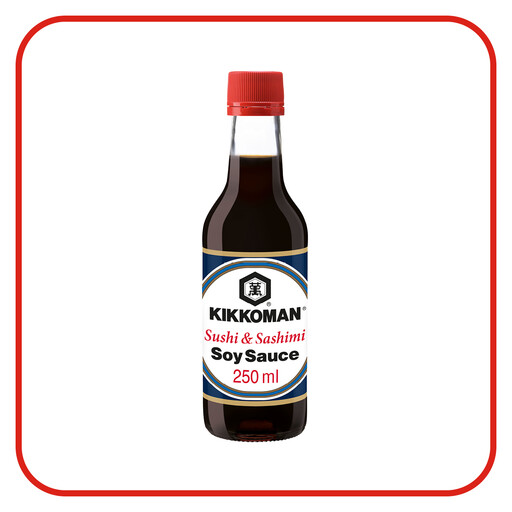
Why This Fits Their Persona: For those who appreciate nuance, this soy sauce is a game-changer. It's designed to enhance, not mask, the delicate flavour of high-quality fish, making it a must-have for anyone serious about recreating an authentic sushi bar experience at home.
It prevents the common error of using a harsh, overly salty soy sauce. Its milder, sweeter profile is specifically formulated for raw fish, showing an attention to detail that separates good sushi from great sushi.
Naturally brewed for a complex, savoury flavour. The well-balanced taste complements rather than overpowers, and the dispenser bottle allows for precise, clean serving.
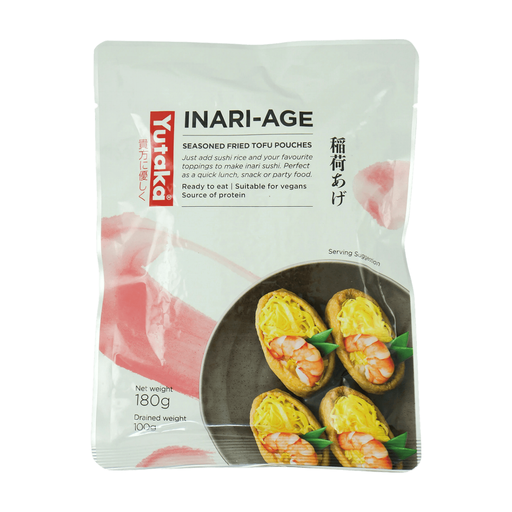
Why This Fits Their Persona: For those looking to expand their sushi-making skills beyond rolls, these inari sushi pockets are the perfect next step. They allow you to easily create Inarizushi, a popular, comforting type of sushi that's a staple in Japan.
Making and seasoning aburaage (fried tofu pouches) from scratch is a complex, time-consuming process prone to error. This product provides a delicious, consistent and authentic result instantly, avoiding a potential kitchen failure.
Ready-to-use and pre-marinated in a classic sweet and savoury sauce. The pouches are soft, juicy and perfectly complement seasoned sushi rice. They are also suitable for vegans.
We have compiled a complete, real-time list of products that fully satisfy these strict selection criteria and UK safety regulations.
Do I really need special sushi vinegar? Can't I just use regular rice vinegar? While you can technically make your own sushi seasoning by heating rice vinegar with sugar and salt, it can be tricky to get the ratio right. A pre-made sushi vinegar guarantees the correct balance of sweet, sour and salty every time, which is crucial for the authentic taste and texture of sushi rice. For consistency and convenience, a dedicated seasoning is highly recommended.
What is the difference between mirin and mirin-style seasoning? Traditional mirin is a sweet rice wine with a higher alcohol content (around 14%) and a complex, umami-rich flavour from fermentation. Mirin-style seasoning (like Honteri) is a low-alcohol or alcohol-free alternative, typically made with glucose syrup and rice flavourings. It mimics the sweetness and glazing properties of mirin, making it a versatile and widely available choice for home cooks in the UK.
How long do these Japanese cooking ingredients last once opened? Most vinegar-based seasonings like sushi vinegar are quite stable. Once opened, they should be kept tightly sealed in the refrigerator and will generally maintain good quality for several months. Soy sauce and mirin-style seasonings also have a long shelf life but should be refrigerated after opening to preserve their flavour. Always check the product label for specific storage instructions and best-before dates.