
24/7 Customer Support

Free returns

Same-day & Next-day Delivery

Quality Guaranteed

Unlock Your Welcome Offers: FREE Delivery | Up to 80% OFF | Free 30-day JoyPlus trial
Download the APP
Making sushi at home can be a rewarding experience, transforming your kitchen into a hub of Japanese culinary creativity. However, the journey from ambition to a delicious platter of maki rolls is often paved with confusing choices and subtle pitfalls. Many aspiring home cooks find their first attempts fall apart—literally—due to using the wrong components. Before you start adding items to your basket, it's crucial to understand what separates authentic, restaurant-quality results from a disappointing, crumbly mess.
As the Joybuy Product Recommendation Officer, my role is to help you navigate the market and select the right supplies. Here are the common traps to avoid when you decide to buy sushi ingredients online.
To ensure success, focus on three non-negotiable components. Getting these right provides the foundation for any great sushi dish.
The heart of all sushi is the rice. You must use Japanese short grain rice, often explicitly labelled as "sushi rice". This type of rice has a high proportion of a starch called amylopectin, which makes the grains cling together when cooked and cooled. This is what allows you to form neat nigiri and compact rolls that don't disintegrate. Long-grain varieties like basmati or jasmine have a different starch structure and will remain fluffy and separate, making them unsuitable for sushi. When shopping, look for terms like "short grain", "sushi rice" or "Calrose" on the packaging.
The dark, savoury seaweed sheets that wrap maki rolls are called sushi nori. Quality can vary significantly. Low-grade nori is often thin, brittle and can have a distractingly "fishy" taste. It may tear while you're rolling or become unpleasantly chewy once it absorbs moisture from the rice.
Look for nori sheets that are a consistent, dark-green colour with a subtle sheen. They should feel crisp and snap cleanly. A good sheet of nori adds a delicate, savoury umami flavour that complements the rice and fillings without overpowering them.
Authentic sushi rice is always seasoned. This is done with sushi vinegar (sushizu), a prepared mixture of rice vinegar, sugar and salt. While you can make your own, using a pre-blended seasoning is a reliable way to achieve consistent, well-balanced flavour every time. It removes the guesswork and is a convenient shortcut used by many home cooks. Simply fold it into the freshly cooked rice to give it that signature gloss and tangy-sweet taste.
Choosing the right product often depends on your experience level and how often you plan to make sushi. Here are a few selections from our homemade sushi supplies matched to different types of home cooks.
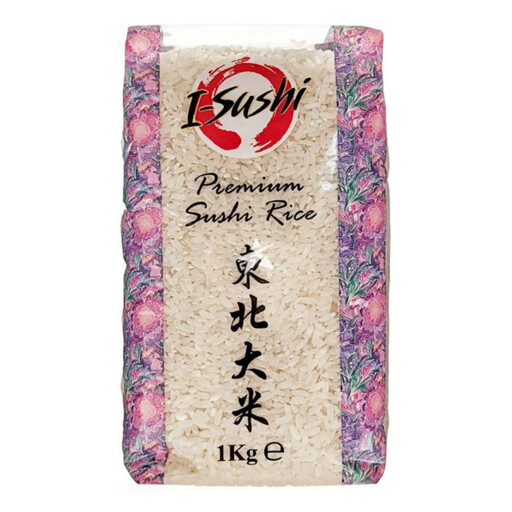
Why This Fits Their Persona: This 1kg pack is the ideal size for someone trying sushi for the first time or for a small household. It provides enough rice for several meals without committing to a large, bulky bag that takes up pantry space.
It directly solves the "wrong rice" and "pack size" pitfalls. It is explicitly labelled as sushi rice and the 1kg quantity is perfect for beginners, preventing waste.
Delivers consistent, sticky texture for reliable results. The convenient pack size is easy to store and ideal for occasional use.
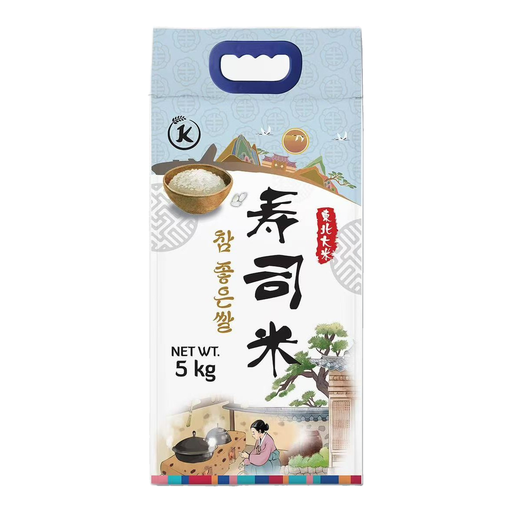
Why This Fits Their Persona: For families or individuals who enjoy making sushi or other Japanese dishes regularly, a 5kg bag offers excellent value. It ensures you are always prepared for a meal without the commitment of a commercial-sized sack.
This strikes the perfect balance in the "pack size predicament." It is far more economical per kilogram than smaller bags but remains a manageable size for a domestic pantry.
Provides a cost-effective supply of quality Japanese short grain rice for frequent use. The larger volume is also ideal for entertaining guests.
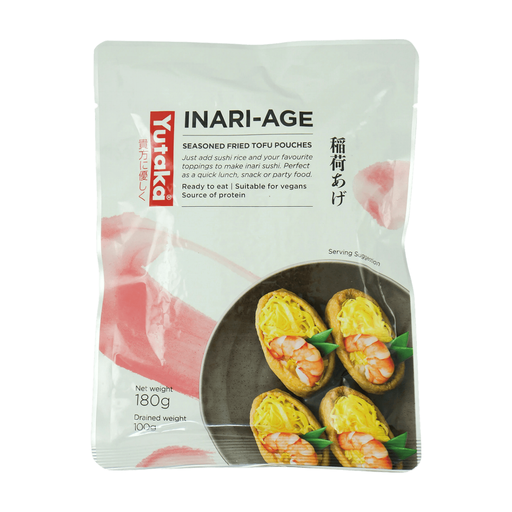
Why This Fits Their Persona: Once you have mastered maki rolls, Inarizushi is a fantastic next step. These are seasoned, fried tofu pouches ready to be stuffed with sushi rice. They offer a completely different texture and a sweet and savoury flavour.
Making Inari pockets from scratch is a complex, multi-step process. This product provides a convenient, ready-to-use solution, allowing you to create an authentic dish with minimal effort.
Makes an otherwise advanced Japanese dish accessible to home cooks. The pockets are pre-seasoned for a consistent, delicious result.
We have compiled a complete, real-time list of products that fully satisfy these strict selection criteria and UK safety regulations.
While both are short-grain, rice specifically marketed as sushi rice is selected for its optimal balance of two starches: amylopectin and amylose. This gives it the famous sticky-but-not-mushy texture that holds its shape. Other short-grain rice, like Arborio (for risotto) or pudding rice, is cultivated to release more starch and create a creamy consistency, which is not suitable for sushi.
Moisture is the enemy of sushi nori. Once the packet is opened, transfer the remaining sheets to a resealable airtight bag or container. Some people add a food-safe silica gel packet to absorb any ambient moisture. Store it in a cool, dark cupboard. For pickled ginger, it should be kept in its jar, sealed tightly and stored in the refrigerator after opening. This will preserve its crisp texture and tangy flavour for several weeks.
While any Japanese soy sauce can be used, many brands offer a specific "Sushi & Sashimi" soy sauce. These are often slightly milder and less salty than all-purpose soy sauce. This is intentional, as it is designed to complement the delicate flavour of fish and seasoned rice without overpowering it. For a well-rounded experience, pairing your sushi with one of these specialised soy sauces is a good choice.