
24/7 Customer Support

Free returns

Same-day & Next-day Delivery

Quality Guaranteed

Unlock Your Welcome Offers: FREE Delivery | Up to 80% OFF | Free 30-day JoyPlus trial
Download the APP
Making sushi at home can be a rewarding experience, transforming your kitchen into a place of culinary creativity. However, the journey from ambition to a delicious plate of maki or nigiri is often paved with confusing choices and disappointing results. Many aspiring home cooks in the UK find themselves let down by ingredients that simply aren't up to the task.
Before you start shopping, it's worth knowing the common pitfalls that can turn your sushi night into a frustrating affair.
sushi making kit products seem convenient, but they can be poor value. They often bundle low-grade rice and generic condiments, forcing you to pay a premium for items you could source for less and of better quality, individually.sushi vinegar and pickled sushi ginger are crucial. Some pre-mixed vinegars can be overly sweet or harsh, while the quality of nori sheets can vary dramatically, with cheaper options being brittle, tough or lacking in flavour.To avoid these issues and ensure your homemade sushi ingredients lead to success, focus on a few key parameters. Getting these right is the foundation of great sushi.
The single most important component is the rice. You need to buy sushi rice, specifically a Japanese short-grain rice (Japonica). This type of rice has a high level of amylopectin, a starch that makes the grains cling together when cooked and seasoned. This stickiness is not just for show; it is what gives sushi its structural integrity. When inspecting a product, look for terms like "sushi rice," "Japonica," or "Calrose" (a popular medium-grain variety that also works well). The grains should be plump, polished and relatively uniform in size.
Good nori sheets for sushi are more than just a wrapper; they add a distinct umami flavour. When choosing nori, look for a deep, dark green, almost black colour with a consistent sheen. Avoid sheets that look brownish or patchy, as this can indicate lower quality or age. A quality nori sheet should be crisp and snap cleanly; it shouldn't feel tough or leathery. When you hold it up to the light, it should be opaque and evenly textured. This ensures it will hold your fillings without tearing while being tender enough to bite through easily.
Sushi Vinegar (Sushi-zu): This is a seasoned rice vinegar that gives sushi rice its characteristic tangy and slightly sweet flavour. While you can make your own, a good quality pre-made sushi vinegar offers consistency and convenience. Check the ingredients for a simple blend of rice vinegar, sugar and salt. Some may include kombu (kelp) or bonito (fish) extract for added umami.
Pickled Sushi Ginger (Gari): Served as a palate cleanser between different types of sushi, pickled sushi ginger should be thin, crisp and refreshing. It comes in both natural white and pink varieties (the pink is often achieved with colouring). The choice is a matter of preference, but the key is a balanced sweet and sharp flavour.
Inarizushi Pockets (Aburaage): For a different style of sushi, consider inarizushi pockets. These are seasoned, deep-fried tofu pouches (aburaage tofu pouches) that you stuff with sushi rice. Buying them pre-seasoned saves a significant amount of time and effort.
Navigating the options for where to buy sushi ingredients UK can be simplified by matching products to your needs. Here are a few recommendations based on different home-cook profiles.
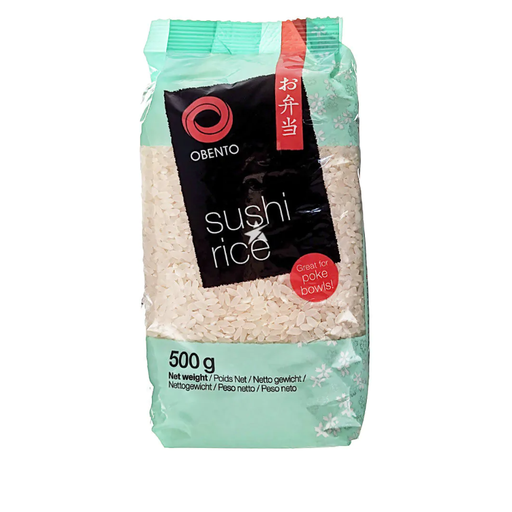
Why This Fits Their Persona: This 500g pack is the ideal size for someone trying their hand at sushi for the first time. It provides enough rice for a few meals without the commitment of a large, pantry-hogging bag, making it perfect for small UK kitchens.
It directly counters the "wrong rice" mistake. This is a premium short-grain rice specifically selected for sushi, ensuring the correct sticky texture that beginners need for successful rolling.
Cooks to a glossy finish with the ideal stickiness for shaping. The manageable pack size minimises waste and cost for those just starting their sushi-making journey.
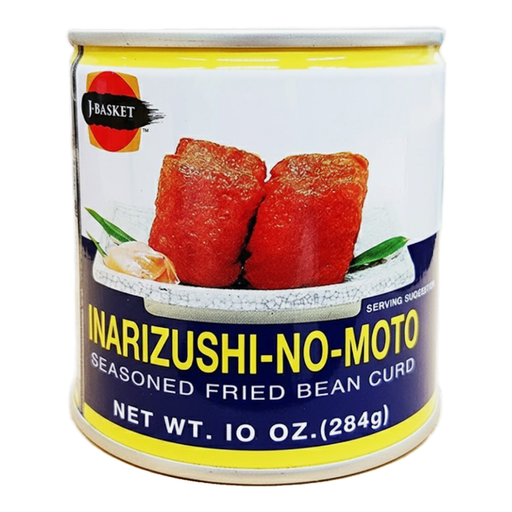
Why This Fits Their Persona: For the cook who has mastered maki rolls and wants to explore other forms of authentic Japanese home cooking. These pre-seasoned tofu pouches are perfect for making delicious inarizushi for bento boxes or as a unique party snack.
It bypasses the difficult and time-consuming process of making and seasoning aburaage from scratch, a step that can easily go wrong and lead to disappointment. It provides an authentic flavour without the hassle.
Ready-to-use pouches infused with a traditional sweet-savoury umami seasoning. They are soft, flavourful and perfectly sized for stuffing with sushi rice.
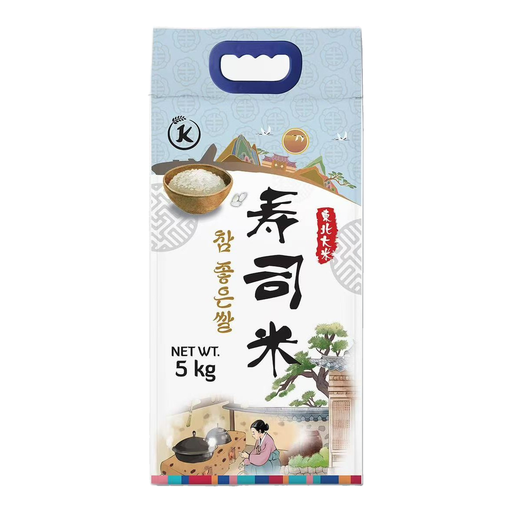
Why This Fits Their Persona: For the household that makes sushi regularly or hosts dinner parties, this 5kg bag offers excellent value and ensures you always have the most crucial ingredient on hand. It's a practical choice for dedicated enthusiasts.
This avoids the higher per-kilo cost associated with repeatedly buying small 500g or 1kg bags. It's an economical choice that doesn't compromise on the specific quality needed for sushi.
Provides a consistent, reliable quality rice in a large, cost-effective format. The rice is selected for its ideal stickiness and ability to absorb seasoning evenly.
We have compiled a complete, real-time list of products that fully satisfy these strict selection criteria and UK safety regulations.
The main difference lies in the starch composition. Sushi rice is a short-grain Japanese rice with a high content of a sticky starch called amylopectin. This allows the cooked grains to cling together, which is essential for shaping nigiri and holding rolls together. Standard long-grain rice, like basmati or jasmine, has a different starch profile and cooks up fluffy and separate, making it unsuitable for sushi.
Once a package of nori is opened, its main enemy is moisture, which will cause it to lose its crispness. To keep it fresh, store any unused sheets in a resealable airtight bag or container, preferably with a food-safe desiccant packet (which often comes in the original packaging). Stored this way in a cool, dark cupboard, it should remain in good condition for several weeks.
Yes, you can. A basic recipe involves gently heating rice vinegar, sugar and salt in a saucepan until the solids dissolve (do not boil). A common ratio is 5 tablespoons of rice vinegar, 2 tablespoons of sugar and 1 teaspoon of salt. However, using a quality pre-made sushi seasoning ensures a perfectly balanced and consistent flavour every time, which can be a great help for beginners.