
24/7 Customer Support

Free returns

Same-day & Next-day Delivery

Quality Guaranteed

Unlock Your Welcome Offers: FREE Delivery | Up to 80% OFF | Free 30-day JoyPlus trial
Download the APP
If you’ve ever tried to recreate the glossy, savoury-sweet sauce from a restaurant-quality Peking duck or a comforting bowl of Zhajiangmian at home, you’ll know that one ingredient is non-negotiable: authentic sweet bean sauce. Known as Tian Mian Jiang (甜面酱) in Mandarin, this rich, dark paste is a cornerstone of Northern Chinese cuisine. However, a quick search to buy sweet bean sauce in the UK can leave you facing a confusing array of jars, many of which are not what you're looking for.
As the Joybuy Product Recommendation Officer, my role is to help you navigate these choices. Many home cooks fall into a few common traps, leading to disappointing results. Before you add a jar to your basket, let’s look at the pitfalls to avoid.
To ensure you're buying a product that will deliver that authentic taste, focus on these two key factors on the product label.
The foundation of any good sweet bean sauce is its fermented base. Understanding this will help you decipher the ingredient list and select the right product for your culinary needs.
A reliable indicator of quality is a straightforward ingredient list. Look for sauces where the fermented component—wheat flour or soybeans—is listed at or near the beginning. Water and salt are essential components. While some sugar is often added for balance, be cautious if it appears as the first ingredient, as this can signal a product that relies on sweetness rather than fermentation for its flavour. A shorter list, free from a long string of flavour enhancers and artificial colours, often points to a more traditional and higher-quality product.
To help you choose, we've matched some excellent options to different cooking styles and preferences, all available for UK home cooks.
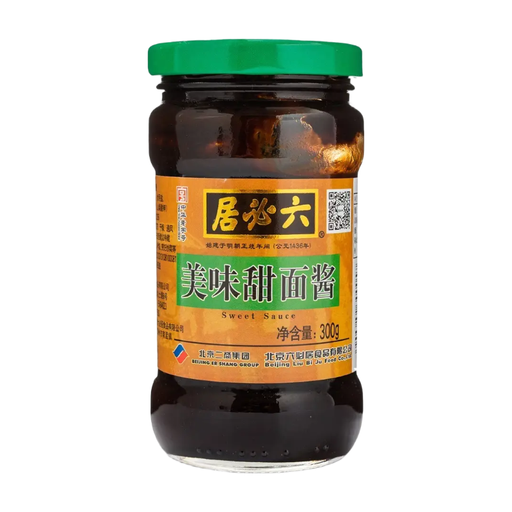
Why This Fits Their Persona: For the cook who values heritage and authenticity above all, Liubiju is a time-honoured brand with centuries of history in Beijing. This is the go-to for recreating classic Northern Chinese dishes with an uncompromisingly traditional flavour.
It directly counters the "generic sauce" pitfall. Its flavour profile is rooted in a specific regional tradition (Beijing), ensuring the authentic taste needed for Peking duck.
Made with a simple, traditional recipe of wheat flour, water and salt. It delivers a deep, savoury flavour with a balanced sweetness that comes from proper fermentation.
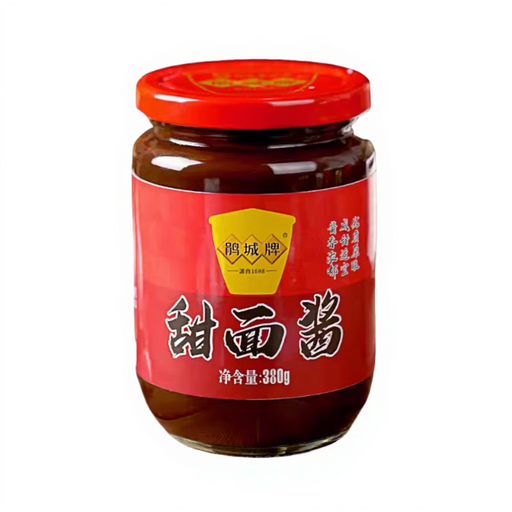
Why This Fits Their Persona: Ideal for the UK home cook who makes Chinese food regularly and needs a reliable, all-purpose sauce. This brand is renowned for its balanced flavour, making it perfect for everything from Zhajiangmian to glazes and marinades.
This sauce avoids the "sugar-first" shortcut. Its flavour is built on a base of fermented wheat flour, providing a rich, velvety texture and a harmonious blend of sweet and salty notes.
A well-balanced, versatile flavour profile that works in a wide variety of dishes. The 380g jar offers good value for regular use.
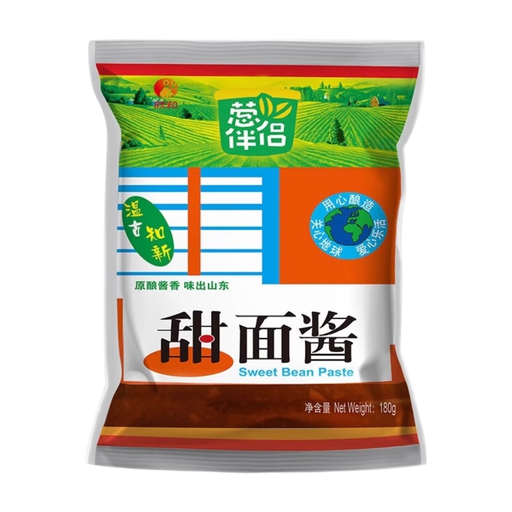
Why This Fits Their Persona: This is for the cook who carefully reads labels. This sauce explicitly lists non-GMO soybeans in its ingredients, offering transparency and catering to those who prioritise specific sourcing standards in their pantry staples.
It helps you avoid the "wrong bean" confusion by clearly stating its use of both wheat flour and soybeans, allowing you to make an informed choice based on your flavour preference.
Features non-GMO soybeans and has a rich, balanced taste suitable for dipping, stir-frying and marinating. The 180g jar is a good size for trying it out or for smaller households.
We have compiled a complete, real-time list of products that fully satisfy these strict selection criteria and UK safety regulations.
This is a common point of confusion for those new to cooking with these ingredients. While they look similar, their flavour profiles are distinct. Sweet bean sauce (Tian Mian Jiang) is made primarily from fermented wheat flour and has a salty-sweet, malty flavour. Hoisin sauce is also made from a fermented soybean base but includes additional ingredients like garlic, vinegar, sesame and five-spice powder, giving it a more complex, spiced and tangy taste. They are generally not one-to-one substitutes.
Once opened, the jar must be sealed tightly and stored in the refrigerator. The high salt content acts as a natural preservative, but refrigeration is essential to maintain its flavour and prevent spoilage. For the freshest taste, it is advisable to use it within a few months of opening.
Yes, you can. It is commonly used as a direct dipping sauce for Peking duck pancakes, sometimes thinned with a little water or sesame oil. However, for dishes like Zhajiangmian, its flavour is greatly enhanced when you first fry it gently in oil, often with aromatics like spring onions or ginger, before adding other ingredients. This cooking step helps to release its deep, savoury aroma.