
24/7 Customer Support

Free returns

Same-day & Next-day Delivery

Quality Guaranteed

Unlock Your Welcome Offers: FREE Delivery | Up to 80% OFF | Free 30-day JoyPlus trial
Download the APP
Buying confectionery online should be simple: choose a flavour, check the pack size and arrange delivery. Yet product pages can make comparison harder than it needs to be. Bright packaging, oversized images and phrases such as “gourmet” or “premium” may distract from the details that affect whether a product suits your household.
Whether you are looking for UK confectionery, family snacks, party sweets or a nostalgic treat, these checks can help you avoid wasted money and unsuitable purchases.
A large-looking bag is not always a large serving. Compare the net quantity, number of individual bars and price per 100g where available. A 4-pack of chocolate bars may be more practical for lunchboxes, while a 2.27kg pack of hard mints may only represent good value if you have an office, event or large household to use it.
For sharing chocolate, biscuits and chocolate snacks, also consider whether the pack is individually portioned. Single bars or wrapped sweets can reduce waste when several people are sharing.
“Vegetarian”, “gelatine-free” and “fruit-based” are not interchangeable terms. Ingredients and allergen statements should be checked on every product page and against the physical packaging when delivered. Recipes can change and online descriptions may not always show every precautionary statement.
Common allergens across confectionery include milk, wheat, soya, egg, nuts and sulphites. Some sweets contain gelatine, while others use pectin or starch instead. Products marked “may contain” should be treated seriously by anyone managing a food allergy.
Chocolate can bloom or soften if stored in warmth. Chewy sweets may become harder when exposed to air, while biscuits can lose their crunch. Look for storage instructions such as keeping products in a cool, dry place and protecting them from direct sunlight.
Hard mints and lollipops also present a choking risk for young children. Always follow the age guidance and safety information printed on the packaging.
Start with the net quantity and format:
A 140g bag may suit a family evening, while individually wrapped packs can be easier to distribute at a party or office.
Read beyond the front-of-pack flavour description. Check whether the product contains gelatine, artificial colours, milk, wheat or soya and look for “may contain” warnings. For example, Buchanans Dark Chocolate Peppermint Creams are described as gelatine-free and suitable for vegetarians, but they contain egg and soya and may contain milk.
Candy Kittens Eton Mess lists no allergens in the supplied product information and uses fruit and vegetable concentrates for colour. However, the product also carries a warning that excess consumption may have a laxative effect. This is a reminder that “natural” positioning does not remove the need to read the full product information.
Confectionery is designed as an occasional sweet treat, not a replacement for varied meals. Use the per 100g figures to compare products and the per portion figures where provided. For instance, a single Cadbury Boost bar is listed at 150 kcal per 31.5g bar, while Bear Raspberry Yoyo provides individually wrapped 20g portions.
These details can help you choose between sharing chocolate, individually wrapped chocolate bars or fruit-based snacks according to the occasion.
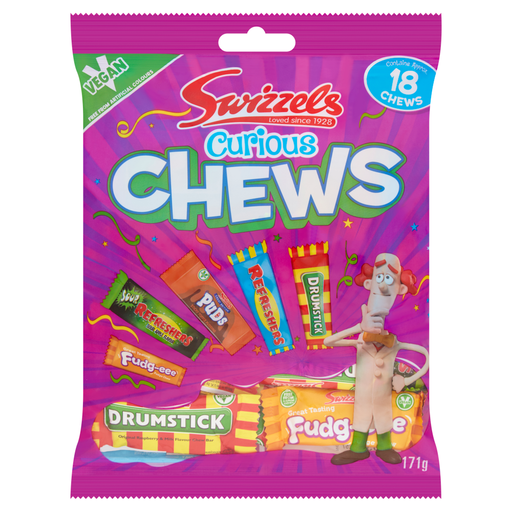
Why This Fits Their Persona: A 171g assortment offers several fruity flavours, including lemon, strawberry and blackcurrant, for households wanting variety without buying multiple packs.
The pack weight is clearly stated, helping shoppers judge quantity rather than relying on the colourful packaging. The supplied information also identifies possible milk traces and gelatine.
Mixed fruity flavours; made in the United Kingdom; suitable for parties or a personal sweet selection.
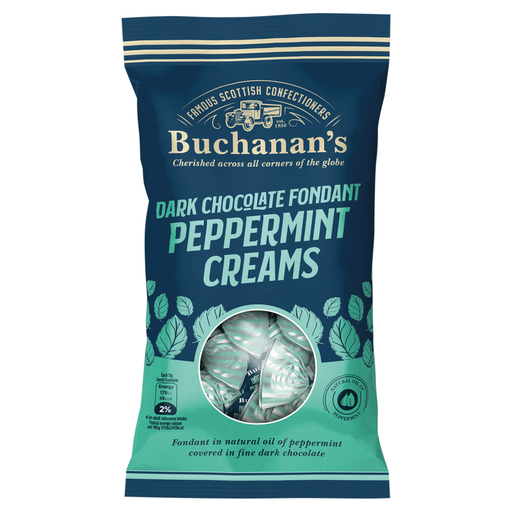
Why This Fits Their Persona: Designed for shoppers who prefer a more traditional after-dinner confection with dark chocolate and peppermint rather than a brightly flavoured sweet.
The product information specifies a dark chocolate shell with at least 58% cocoa solids and identifies egg and soya allergens, making comparison more transparent.
Gelatine-free; suitable for vegetarians; peppermint fondant centre with a dark chocolate coating.
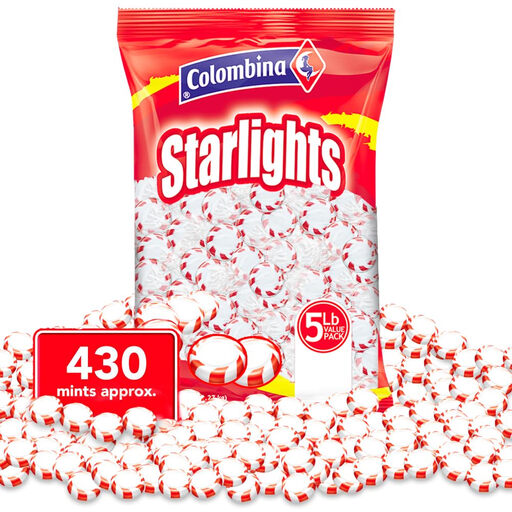
Why This Fits Their Persona: A large-format option for offices, cafés, receptions, parties and events where a small multipack would run out quickly.
The 2.27kg net quantity makes the intended heavy-use format clear. Storage guidance recommends an airtight container after opening to protect the texture.
Slow-dissolving hard mint format; suitable for bulk sweets bowls and shared spaces. Keep away from young children.
We have compiled a complete, real-time list of products that fully satisfy these strict selection criteria and UK safety regulations.
Before paying, check the estimated sweet treats delivery date, especially for parties, gifting or office events. On arrival, inspect the outer packaging and best-before information. Chocolate and chewy sweets should generally be stored in a cool, dry place, away from sunlight and strong odours. During warmer months, avoid leaving chocolate in a delivery box or car for extended periods.
For gifts, select products with a suitable presentation format, such as praline seashells or individually wrapped chocolate bars. For lunchboxes, portioned products such as Bear Raspberry Yoyo or four-bar multipacks may be easier to manage.
It can be practical for parties, offices and regular family snacking, but compare the price per 100g and consider storage space. Bulk sweets are less suitable if the product may lose texture before it is consumed.
Keep them sealed in a cool, dry cupboard away from direct sunlight, heat and moisture. Follow the product’s specific instructions, particularly for chocolate and hard mints.
Some are, but suitability depends on the ingredients. Products such as Buchanans Dark Chocolate Peppermint Creams and Candy Kittens Eton Mess are listed as gelatine-free or vegetarian-friendly in the supplied information, while other sweets contain gelatine. Always check the latest label and allergen statement before ordering.