
24/7 Customer Support

Free returns

Same-day & Next-day Delivery

Quality Guaranteed

Unlock Your Welcome Offers: FREE Delivery | Up to 80% OFF | Free 30-day JoyPlus trial
Download the APP
Buying confectionery online gives UK shoppers access to familiar brands, international favourites and unusual flavours that may not be available locally. However, attractive packaging and exaggerated product descriptions can make it difficult to compare sweets properly.
Before you buy sweets online in the UK, watch for three common pitfalls:
Read the ingredient list and allergen statement rather than relying only on the product title or front-of-pack wording. This is especially important when buying vegan sweets, children’s sweets or treats for someone with allergies.
For example, Fruit-tella Strawberry 135g lists fruit juice, natural flavourings and natural colour concentrates, and the supplied product information describes it as suitable for vegans. By contrast, several gummy sweets contain gelatine. Amos Peelerz products list gelatine and may contain milk and sulphites, while Lindt Lindor Milk Chocolate Truffles contain milk, barley and soya and may contain nuts.
Some product information can also contain differing statements, so check the latest packaging on arrival. If you are buying for an allergy sufferer, do not rely on an online “allergens none” entry where the safety information gives additional warnings.
The texture affects how and when a sweet is best used:
Consider whether you need individually wrapped sweets for lunchboxes and party bags, or an open sharing bag for a film night. A larger pack is not automatically better value if it is likely to go stale before it is finished.
Compare products by price per 100g, not only by the pack price. A 100g bag of coffee sweets, a 135g chewy fruit pack and a 900g party assortment serve very different purposes.
Storage guidance also matters. Most sweets should be kept in a cool, dry place away from direct sunlight and humidity. Chocolate truffles need particular care around heat, while boiled sweets can become sticky if exposed to moisture. Check the best-before information on the packaging, especially when buying multiple sharing bags.
Nutrition panels can help with portion awareness. Many confectionery products are high in sugar, so sweets are generally more suitable as an occasional treat within a balanced diet.
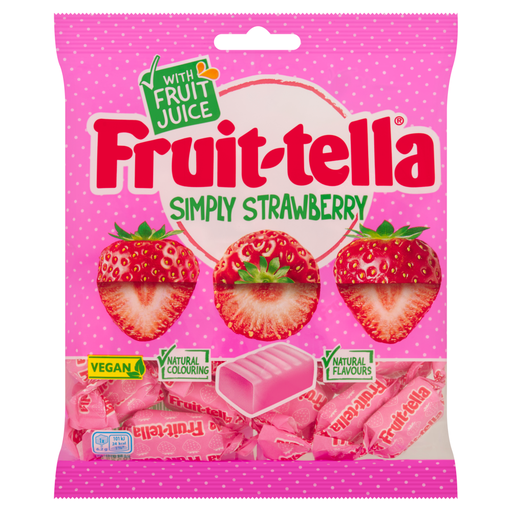
Why This Fits Their Persona: A manageable 135g pack for shoppers who want a familiar strawberry-flavoured chew without committing to a large sharing carton.
The stated 135g net weight makes the purchase easy to assess, while the listed ingredients and allergen information help clarify suitability.
Fruit juice is listed in the ingredients, and the supplied product information describes it as suitable for vegans.
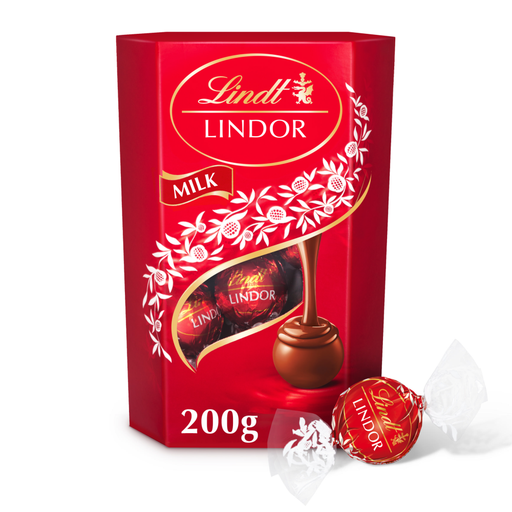
Why This Fits Their Persona: A boxed chocolate option for gifts, hosting or a measured after-dinner treat rather than casual pocket snacking.
The 200g box gives a clear quantity, and the label identifies milk, barley and soya allergens rather than leaving suitability ambiguous.
Milk chocolate truffles with a smooth filling; the product information states that the box contains approximately 16 pieces.
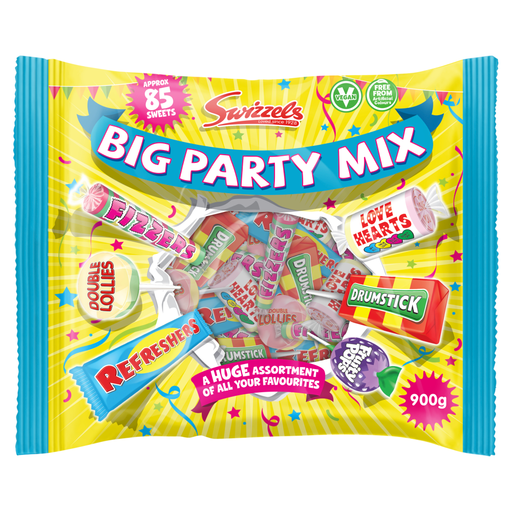
Why This Fits Their Persona: Designed for parties, family gatherings, school event sweet tables and households that need a substantial supply.
The clearly stated 900g quantity suits high-volume sharing better than buying several small bags without comparing total weight.
A mixed assortment for varied preferences; the supplied information identifies soya and includes a warning about lollipops and young children.
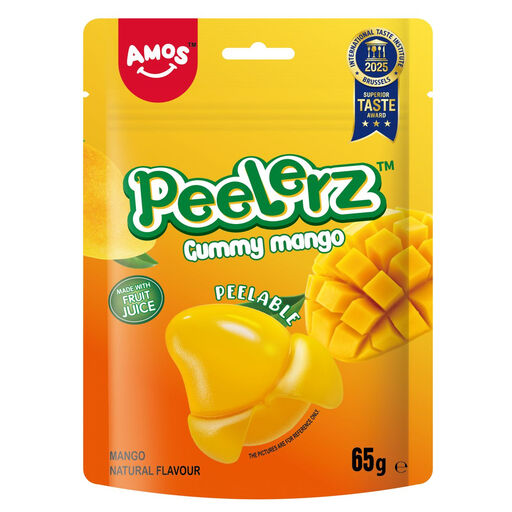
Why This Fits Their Persona: A small novelty gummy for lunchbox treats, party favours or shoppers interested in Japanese and Chinese sweets with an interactive format.
The 65g bag makes the portion clear, while the product guidance states that children should be aged four or over and supervised when eating.
Peelable outer and softer centre create two textures; mango and apple juice concentrates are listed in the ingredients.
We have compiled a complete, real-time list of products that fully satisfy these strict selection criteria and UK safety regulations.
Check the recommended age, choking warnings, piece size and whether the product contains hard sweets, lollipops or small non-edible components. Also review allergens such as milk, soya, nuts and gelatine. Children should be seated and supervised while eating where the packaging advises it.
They can be more convenient for hygienic distribution, lunchboxes and party bags. However, compare the net weight and wrapper format, as individually wrapped sweets may contain fewer pieces than an open sharing bag. Maoam Stripes, Kopiko Coffee Candy and Swizzels assortments illustrate different formats for sharing and portioning.
Divide the price by the net weight to calculate the cost per 100g, then consider the type of product. Chocolate truffles, imported novelty gummies and large mixed sweets may have different prices because of ingredients, packaging and supply routes. Checking pack size, storage instructions and dietary suitability alongside price gives a more practical comparison.