
24/7 Customer Support

Free returns

Same-day & Next-day Delivery

Quality Guaranteed

Unlock Your Welcome Offers: FREE Delivery | Up to 80% OFF | Free 30-day JoyPlus trial
Download the APP
Navigating the world of period care can feel overwhelming. With countless options available when you want to buy tampons online, it's easy to fall for marketing hype or choose a product that doesn't quite meet your needs. As a Joybuy Product Recommendation Officer, my role is to help you cut through the clutter and make informed choices based on practical considerations.
Many people find themselves frustrated by products that don't live up to their promises. Let's look at a few common pitfalls to avoid:
By understanding these potential traps, you can shop with greater confidence and find a product that genuinely works for you.
To choose the right product, it helps to understand the core features that determine performance, comfort and suitability. Here are the three key parameters to check before you buy.
The material of a tampon is fundamental to its performance and how it feels.
This choice comes down to personal preference, convenience and environmental impact.
UK regulations standardise tampon absorbency to help users choose correctly and reduce the risk of Toxic Shock Syndrome (TSS). Always use the lowest absorbency for your flow.
Instead of a one-size-fits-all list, we've matched products to specific user needs. This helps you find an option that aligns with your lifestyle, values and flow.
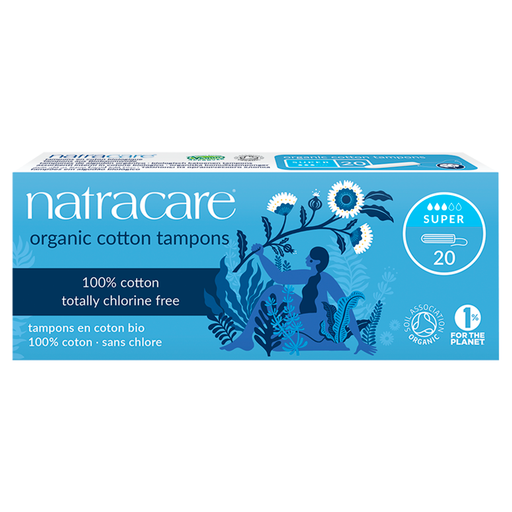
Why This Fits Their Persona: This user prioritises natural materials and minimal environmental impact. They actively seek out plastic-free, biodegradable and organic options for their daily life, including period care.
It cuts through "greenwashing" by using 100% GOTS certified organic cotton and being completely free from plastics, perfumes and chlorine. The non-applicator design minimises waste.
Made from only one material: certified organic cotton. It is also biodegradable and compostable, making it a responsible choice for the planet.
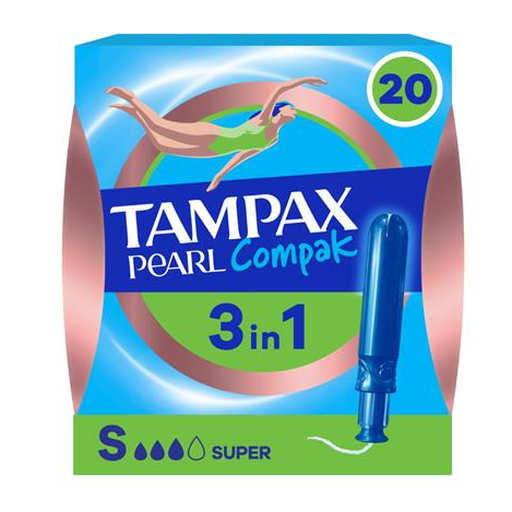
Why This Fits Their Persona: This user values a quick, easy and comfortable experience. They prefer the convenience of an applicator and want a product that is discreet and reliable for an active lifestyle.
It addresses the pitfall of poor fit by using MotionFit technology, which allows the tampon to adapt to the body's shape. The LeakGuard braid offers an extra layer of protection against leaks.
Features a smooth, compact plastic applicator with an anti-slip grip for easy insertion. It is also fragrance-free and has been gynaecologically tested.
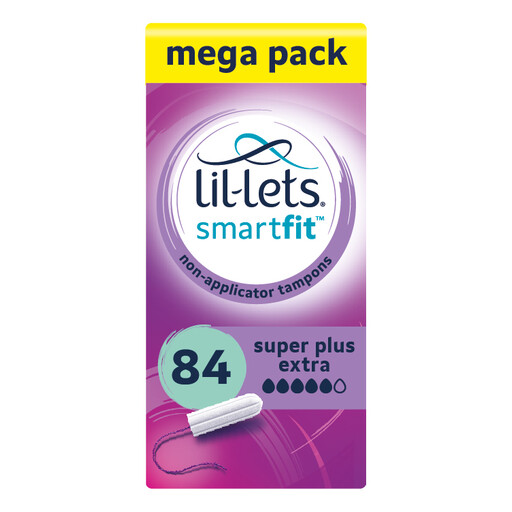
Why This Fits Their Persona: This user needs maximum protection for a very heavy flow. Standard 'Super' absorbency isn't always enough, and they seek a reliable, high-performance product to feel secure throughout the day.
It directly solves the "misleading absorbency" problem by offering a specialised Super Plus Extra absorbency grade, designed specifically for very heavy flow, going beyond standard options.
Provides maximum absorption for very heavy flow days. The non-applicator design is discreet, and the widthways expansion helps ensure a secure fit to prevent leaks.
We have compiled a complete, real-time list of products that fully satisfy these strict selection criteria and UK safety regulations.
The key is to use the lowest absorbency necessary to manage your menstrual flow. UK brands use a standard system: Light/Lite, Regular, Super, Super Plus and sometimes higher. Start with Regular and see if you need to change it more frequently than every 4 hours. If so, move up an absorbency level. If after 8 hours it's not fully saturated, consider moving down. Always change your tampon at least every 4-8 hours to reduce the risk of TSS.
Whether they are "better" is a personal decision based on your priorities. Objectively, organic cotton tampons are made from cotton grown without synthetic pesticides and are typically processed without chlorine. This makes them biodegradable and a choice many prefer for environmental reasons or due to sensitive skin. Conventional tampons are regulated for safety, but the choice of materials comes down to personal preference.
No, you should never flush tampons down the toilet. They do not break down in water like toilet paper and can cause serious blockages in your home's plumbing and the wider UK sewer system, contributing to large-scale blockages known as "fatbergs." Always wrap used tampons and dispose of them in a sanitary or general waste bin.