
24/7 Customer Support

Free returns

Same-day & Next-day Delivery

Quality Guaranteed

Unlock Your Welcome Offers: FREE Delivery | Up to 80% OFF | Free 30-day JoyPlus trial
Download the APP
If you've ever enjoyed a warm, comforting bowl of Taiwanese sweet soup or a refreshing bubble tea, you'll know the unique pleasure of biting into a chewy taro ball. Recreating that authentic experience at home can be incredibly rewarding, but finding the right ingredients is key. With many options available, from frozen to shelf-stable and in various sizes, it can be difficult to know where to start.
This guide is designed to help you navigate the choices. We'll break down what to look for when you want to buy taro balls in the UK, helping you select the perfect product for your dessert or drink creations. We'll focus on objective features like ingredient composition and size, so you can make an informed decision.
Before you add a pack to your basket, consider a few key factors. These details can significantly impact the flavour, texture and suitability of the taro balls for your intended recipe.
The taste and texture of taro balls are largely determined by the ratio of the main vegetable (taro or sweet potato) to the starch.
How you plan to store your ingredients is another important consideration.
The size of the taro ball affects how it's best used.
Based on their ingredients, texture and intended use, here are a few standout options to consider for your next culinary project.
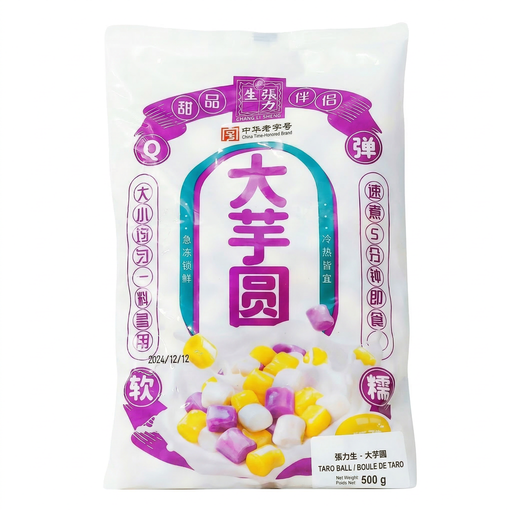
Why It Stands Out: This product offers excellent convenience as a shelf-stable option. It combines three types of balls—made with taro, sweet potato and purple sweet potato—in one package, providing a colourful and varied addition to any dessert.
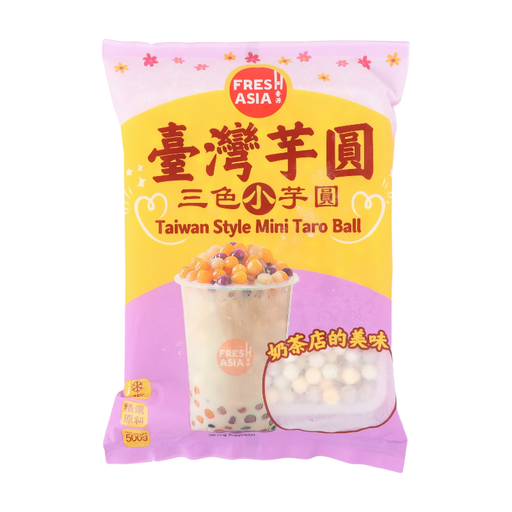
Why It Stands Out: Specifically designed for drinks, these mini taro balls boast a high vegetable content for an authentic taste and texture. The small size is perfectly suited for homemade bubble tea.
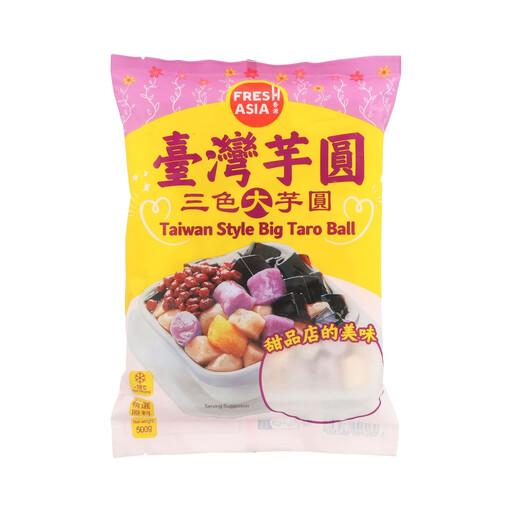
Why It Stands Out: With an impressive 61% vegetable content across all three flavours (taro, sweet potato and purple sweet potato), these large taro balls offer a substantial bite and rich flavour, making them ideal for traditional dessert bowls.
While these recommendations cover some of the most popular uses for taro balls, your perfect match might be something else entirely. If you're interested in taro-flavoured pastes, powders or other related items, you can explore our full range of taro desserts to find the ideal components for your culinary needs.
Q1: What do Taiwanese taro balls taste like? Taiwanese taro balls have a subtly sweet and slightly earthy flavour derived from the root vegetables they are made from. Their most defining characteristic is their texture: a pleasant, springy chewiness often referred to as "QQ" in Taiwan. They are designed to absorb the flavours of the sweet soups or teas they are served in.
Q2: How do I cook frozen taro balls for the best texture? For the best results, bring a large pot of water to a rolling boil. Add the frozen taro balls directly from the freezer, stirring gently to prevent them from sticking. Cook until they all float to the surface. Let them boil for another 1-2 minutes to ensure they are cooked through. For an extra chewy texture, use a slotted spoon to transfer them immediately into a bowl of iced water for about 30 seconds before serving.
Q3: Can I use taro balls in bubble tea instead of tapioca pearls? Yes, absolutely. Taro balls are a very popular topping in bubble tea shops across Asia. They offer a different textural experience and a milder, more natural flavour compared to traditional black sugar tapioca pearls. The mini taro balls are especially well-suited for this, as they fit perfectly through a standard wide-gauge bubble tea straw.