
24/7 Customer Support

Free returns

Same-day & Next-day Delivery

Quality Guaranteed

Unlock Your Welcome Offers: FREE Delivery | Up to 80% OFF | Free 30-day JoyPlus trial
Download the APP
As a nation of tea drinkers, we know what we like. Yet, when you decide to buy tea online in the UK, the sheer volume of choice can be overwhelming. From household names to artisanal imports, the digital tea aisle is vast. While this variety is welcome, it also presents a few common pitfalls that can lead to a disappointing cuppa and wasted money.
Before you add to your basket, it helps to be aware of these frequent issues:
By understanding these points, you can navigate the options more effectively and find a tea that truly suits your taste and budget.
To ensure you get a quality product, focus on a few core parameters. These details, usually found on the product page, tell you everything you need to know about what’s inside the box.
The world of tea is diverse, and understanding the main categories is the first step to finding your preferred brew.
Always check the ingredients. For a classic black tea, you should ideally see one simple ingredient: 100% Black Tea. For flavoured teas, note where the flavouring appears on the list. If it's listed before the primary fruit or spice, the taste may be less authentic. Look for blends that use real ingredients like bergamot oil, orange peel or whole spices.
The format of the tea bag can influence the quality of the brew. Pyramid bags give whole leaves more room to unfurl and infuse, which can result in a more complex flavour, similar to loose-leaf tea. Standard square or round bags typically contain finer-cut tea, which infuses quickly for a strong, bold cup. Some brands, like Brew Tea Co, specify the weight of tea per bag, giving you a clear indication of the strength you can expect.
To help you choose, we've matched some popular options to different tea-drinking profiles, explaining how they address the common pitfalls.
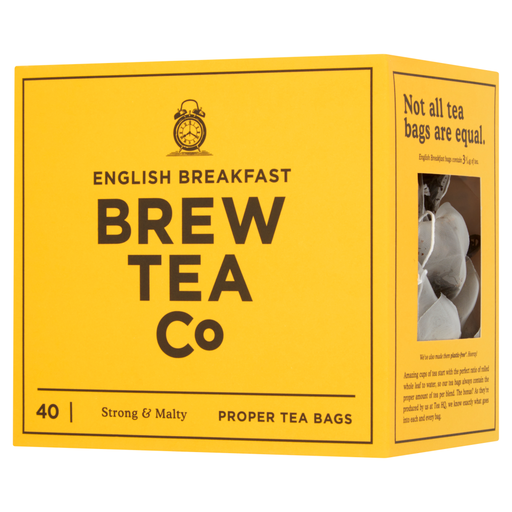
Why This Fits Their Persona: This is for the person who starts their day with a proper, no-nonsense cuppa. They want a consistently strong and flavourful black tea that holds up well to milk and provides a genuine caffeine kick.
It directly counters the "weak brew" problem by explicitly stating each bag contains 3.75g of tea, a higher amount than many standard bags. This ensures a robust, full-bodied cup every time.
A classic blend of Assam and Ceylon leaves for a malty, balanced flavour. The use of rolled whole leaves in a roomy bag provides a superior infusion.
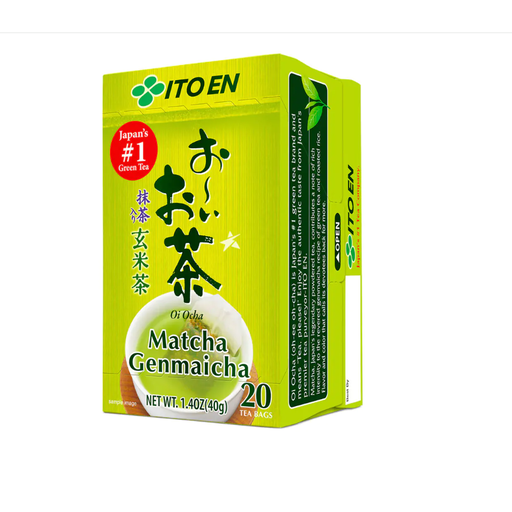
Why This Fits Their Persona: Ideal for someone seeking an authentic speciality tea UK experience. They are curious about different tea cultures and appreciate a unique, savoury flavour profile beyond typical black or green teas.
This tea avoids the vague "flavouring" pitfall. The ingredients are clear and authentic: Roasted Rice (60%), Green Tea and Matcha. The nutty, savoury taste comes from a genuine, traditional component, not an additive.
Offers a distinctive toasty and nutty flavour from the roasted rice, balanced with the fresh, grassy notes of green tea and a touch of umami from matcha. It's an authentic taste of Japanese green tea.
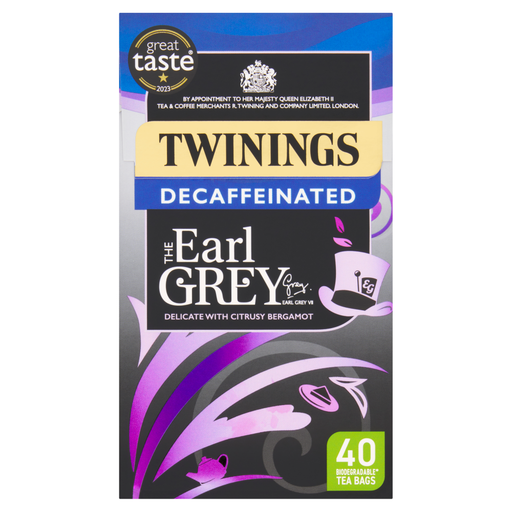
Why This Fits Their Persona: This person loves the ritual and classic taste of a cup of tea in the afternoon or evening but is looking to reduce their caffeine intake. They want a decaf tea that doesn't compromise on flavour.
Many decaffeinated teas can taste flat. This blend from Twinings tea is carefully processed to retain the full-bodied character of the black tea and the distinct citrus aroma of bergamot, ensuring a satisfying cup.
Delivers the classic, elegant Earl Grey experience without the caffeine. The blend includes both bergamot and natural lemon flavouring for a bright, aromatic and refreshing taste suitable for any time of day.

Why This Fits Their Persona: This user enjoys a comforting, caffeine-free herbal tea bag but is also interested in blends that offer something extra. They appreciate a pleasant, fruity taste combined with ingredients associated with wellbeing.
Instead of vague wellness claims, this blend is specific. It is enriched with Vitamin D, which contributes to the normal function of the immune system—a permitted and regulated health claim, providing clear information.
A delicious, juicy fruit infusion with flavours of blackcurrant, elderberry and raspberry. It's naturally caffeine-free and offers a comforting, sweet taste with the added benefit of Vitamin D.
We have compiled a complete, real-time list of products that fully satisfy these strict selection criteria and UK safety regulations.
Most tea bags have a 'best before' date on the packaging, which is a good guide for optimal flavour. To keep them fresh for as long as possible, store them in a cool, dark and dry place. An airtight container is ideal as it protects the tea from moisture, light and strong odours from other foods in your cupboard, all of which can degrade the flavour.
Many brands are now switching to plant-based, biodegradable tea bags. These are typically made from a cornstarch-derived material (PLA) and are sealed with heat rather than polypropylene plastic. The main advantage is environmental; they are industrially compostable, helping to reduce plastic waste. They do not affect the flavour of the tea.
While both are caffeine-free infusions, their core ingredients differ. Herbal teas are made from a single herb or a blend of herbs, flowers and spices, such as peppermint, chamomile or ginger. A fruit tea selection usually has a base of hibiscus, which gives it a tart flavour and deep red colour, blended with various dried fruit pieces and natural flavourings for a sweet and tangy taste.