
24/7 Customer Support

Free returns

Same-day & Next-day Delivery

Quality Guaranteed

Unlock Your Welcome Offers: FREE Delivery | Up to 80% OFF | Free 30-day JoyPlus trial
Download the APP
When you buy tea online in the UK, a larger range can make choosing more difficult rather than easier. Product pages may highlight “premium” leaves, wellness ingredients or traditional preparation, while leaving out details that affect everyday use.
Three common buying traps are worth avoiding:
Start with the ingredients list rather than the front-of-pack description. A product labelled green tea may contain only tea leaves, while genmaicha combines green tea with roasted rice. Hojicha is also made from green tea, but its roasted character gives it a different flavour profile.
For a caffeine-free option, check that the product information explicitly states 0mg caffeine or identifies it as a herbal infusion. English Tea Shop Organic Perfect Peppermint, for example, lists peppermint and spearmint and provides a caffeine value of 0mg per 100g. By contrast, matcha tea, black tea, Japanese tea and Chinese tea are not automatically caffeine-free.
If you have allergies or dietary requirements, review the current packaging as well as the online listing. “No common allergens” is not the same as a guarantee that every shopper can consume a product safely.
Tea bags are suitable when you want consistent preparation with minimal equipment. Loose leaf tea gives more control over serving size and can often be re-steeped, but you will need an infuser, teapot or filter.
Check whether the stated weight refers to the complete box or the tea itself. Examples include:
Also consider storage. Tea should generally be kept in a cool, dry place away from direct sunlight, heat and strong odours. Once opened, reseal the packaging properly to help preserve flavour.
Water temperature and steeping time can change the taste considerably. Black tea is commonly brewed with boiling water, while delicate white tea may be better suited to water below boiling point. Always follow the product instructions where available.
For example, the Tea Story White Peony Tea listing recommends approximately 5g per 150ml, water at 90–95°C and a short first infusion. Some loose leaf products can be re-steeped several times, which may improve value for people who enjoy a slower tea ritual.
If you prefer iced tea, look for products specifically described as suitable for cold brewing. Sempio Green Tea With Brown Rice provides instructions for refrigerating one tea bag in 500ml of cold water for several hours.
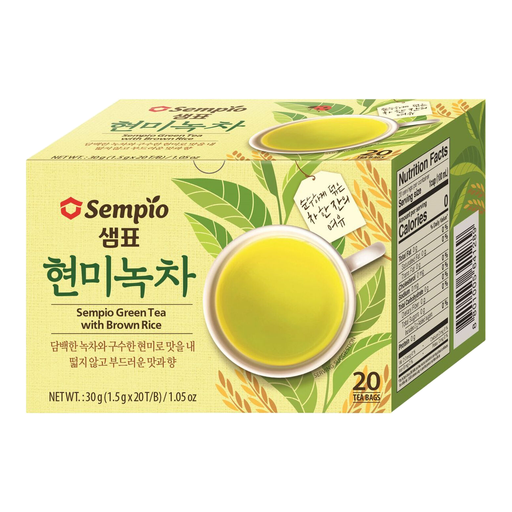
Why This Fits Their Persona: A straightforward tea-bag option for students, first-time green tea buyers and anyone wanting hot or cold preparation without extra equipment.
The 30g pack and 20–250ml hot-brewing guidance make the quantity and preparation requirements clear.
Tea bags contain green tea and brown rice; the listing provides both hot and cold brewing instructions and states 0 kcal per 100ml.
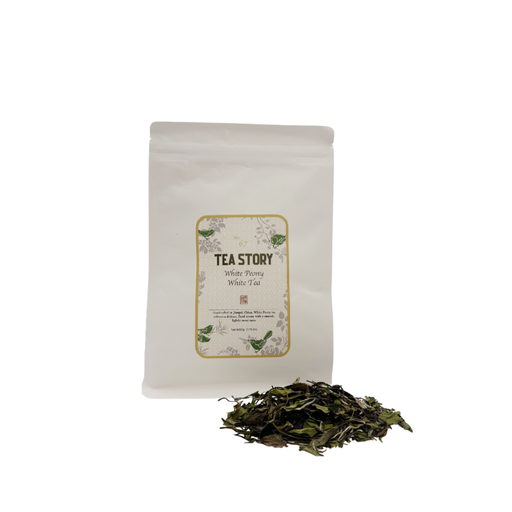
Why This Fits Their Persona: Suits tea drinkers who value Chinese tea tradition, loose leaf presentation and control over each infusion.
The listing identifies the tea as Fuding White Peony and gives a measured 5g serving, rather than relying only on wellness-style wording.
The 100g loose-leaf pack can be steeped several times, with instructions covering temperature, infusion time and storage.
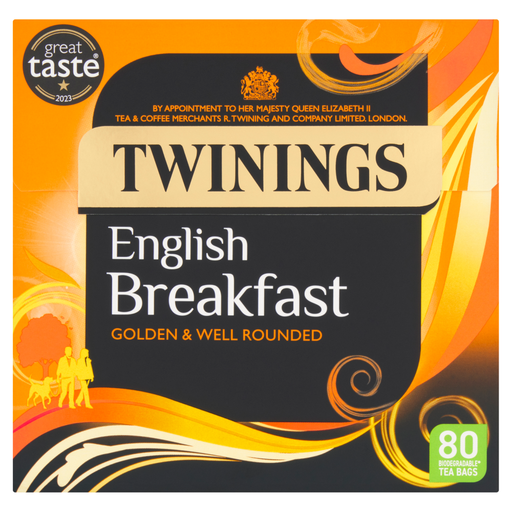
Why This Fits Their Persona: A practical fit for shared homes, offices and regular black tea drinkers who want a familiar tea-bag format.
The pack clearly states 80 tea bags and 200g, helping frequent users compare quantity without guessing from the box size.
The product is made from 100% black tea and is supplied in a high-count tea-bag format for routine brewing.
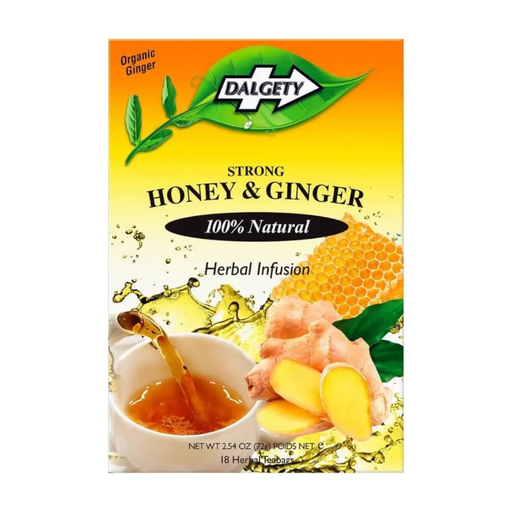
Why This Fits Their Persona: Suitable for shoppers seeking a caffeine-free tea bag with a warming, sweet-spiced flavour for evenings or cold-weather routines.
The ingredients list shows ginger, honey crystals, sugar, citrus peel and lemongrass, making its sweetened profile clear.
The 72g carton contains 18 individually wrapped tea bags and is listed as caffeine-free, with hot and iced preparation options.
We have compiled a complete, real-time list of products that fully satisfy these strict selection criteria and UK safety regulations.
If you prefer floral flavours, jasmine tea or rose green tea can offer a fragrant alternative to plain green tea. The Way Choy Jasmine Tea 200g is described as suitable for hot or iced preparation, while Yu Ming Rose Green Tea combines green tea leaves with rose petals.
For roasted, nutty flavours, consider hojicha, genmaicha or roasted rice tea. Oolong tea offers another middle ground between green and black tea, while white tea is typically associated with a lighter infusion. Matcha-containing tea bags can provide a more pronounced green tea character without requiring a traditional whisk.
When choosing wellness tea, focus on the ingredients and preparation instructions instead of unverified health promises. Products containing senna, such as some slimming blends, require particular care: read the label, follow the recommended use and seek suitable professional advice if you are unsure whether the ingredients are appropriate for you.
It can be, particularly when comparing larger packs, multipacks and delivery costs. Calculate the approximate cost per tea bag or per gram rather than comparing headline prices. Loose leaf tea may also provide several infusions per serving, but remember to include the cost of an infuser if you do not already own one.
Shelf life varies by product, but many packaged teas provide a best-before period of around two years. Tea may remain safe after that date when stored correctly, although flavour and aroma can fade. Keep it sealed, dry and away from strong-smelling foods.
No. Many teas can be chilled, but the instructions differ. Some tea bags are designed for cold brewing over several hours, while loose leaf tea may need a concentrated hot infusion before being poured over ice. Check the product directions and refrigerate prepared tea promptly.