
24/7 Customer Support

Free returns

Same-day & Next-day Delivery

Quality Guaranteed

Unlock Your Welcome Offers: FREE Delivery | Up to 80% OFF | Free 30-day JoyPlus trial
Download the APP
From the morning cuppa that kick-starts the day to a calming evening brew, tea is a cornerstone of life in the UK. But when you decide to buy tea online, the sheer volume of choice can be overwhelming. Navigating a digital landscape filled with exotic claims and fancy packaging can often lead to disappointment and wasted money.
As a Joybuy Product Recommendation Officer, my role is to help you sidestep the common pitfalls. Many shoppers find themselves paying a premium for teas that don't live up to their marketing. Let's look at a few frequent traps to avoid.
By understanding what to look for, you can confidently choose a tea that delivers genuine quality and value, whether it's for your daily brew or a special occasion.
To make an informed choice, it helps to understand a few core parameters. These are the non-negotiable details that separate a truly satisfying tea from a mediocre one.
The debate between tea bags and loose-leaf tea often comes down to more than just ease of use.
Where and how a tea is grown and processed has a profound impact on its final taste. Different regions are famed for specific types of tea. For example, Fuding in China is renowned for delicate organic white tea, while the Wuyi Mountains are the home of many celebrated rock oolong tea varieties.
Similarly, the processing method defines the tea's character. A Japanese hojicha gets its signature nutty, roasted flavour from being pan-fired at a high temperature, a distinct process compared to the steaming of most other Japanese green teas. When looking for a Chinese tea gift set, checking for details on the specific origin and harvest time indicates a higher-quality, more thoughtful selection.
When choosing a blended or scented tea, such as a fruit tea or floral blend, always check the ingredients list. The presence of "peach pieces" or "rose petals" is a good sign. If the list only mentions "flavouring" or "natural flavouring," the taste is likely derived from additives rather than the real thing, which can affect the authenticity and complexity of the brew.
To help you navigate the options, we've matched a few noteworthy teas to different preferences and needs.
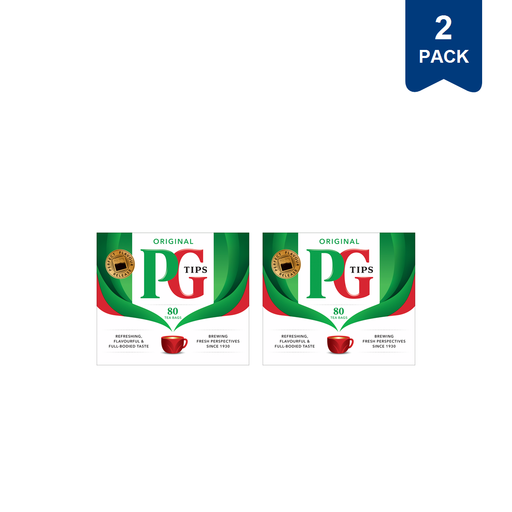
Why This Fits Their Persona: This is for the person who wants a reliable, no-fuss and satisfying cup of black tea to start their day or for a comforting afternoon break. It's a household staple that delivers consistency and a familiar, robust flavour.
It makes no false "artisanal" claims. This is a straightforward, well-known brand valued for its dependable quality, not for pretending to be something it isn't.
The pyramid-shaped bags allow the tea leaves more room to infuse, releasing a richer flavour and colour compared to conventional flat bags.
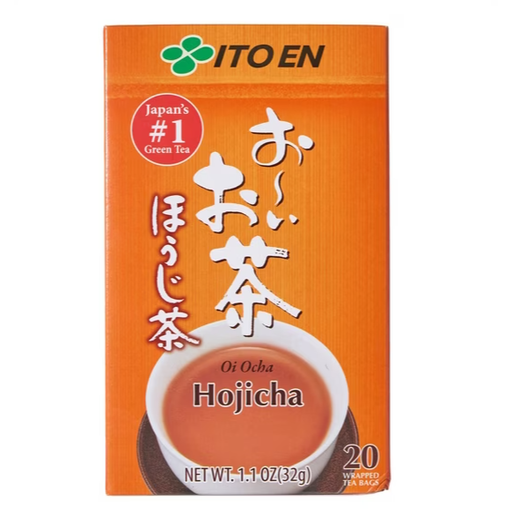
Why This Fits Their Persona: Perfect for someone looking to explore beyond traditional British teas. It offers an authentic Japanese tea experience with a unique flavour profile, yet remains accessible and convenient in a tea bag format.
It sidesteps the vague origin trap by clearly stating it is made from 100% first-flush green tea from Japan and details its unique high-temperature roasting process.
Offers a distinct nutty and smoky flavour, which is a pleasant departure from grassy green teas. It is also versatile and can be enjoyed hot, cold or as a latte.
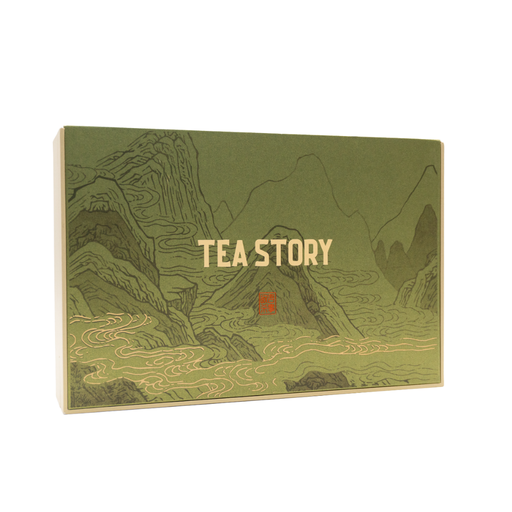
Why This Fits Their Persona: This is an excellent choice for a serious tea enthusiast or as a sophisticated gift. It's a premium, single-origin oolong tea that showcases the complexity and depth that a high-quality loose-leaf tea can offer.
This product's value is justified by its specificity. It names the exact terroir (Horse Head Rock) and highlights its limited harvest status, demonstrating genuine premium quality rather than just marketing.
Presented in an elegant gift box with individual tins to maintain freshness. The leaves can be re-steeped multiple times, allowing the drinker to explore its evolving flavour profile.
We have compiled a complete, real-time list of products that fully satisfy these strict selection criteria and UK safety regulations.
How long does loose leaf tea stay fresh after opening? Most loose-leaf teas are at their best within 6-12 months of opening. To maintain freshness, store them in an airtight, opaque container away from direct sunlight, moisture and strong odours (like spices or coffee). Teas with more delicate flavours, such as green or white teas, may lose their vibrancy faster than robust black or pu'erh teas.
Is it more cost-effective to buy loose leaf tea or tea bags? While the initial price of a tin of loose-leaf tea may seem higher, it can often be more economical in the long run. A single serving of loose-leaf tea is typically 2-3 grams, and high-quality leaves can be steeped 2-3 times (or even more for some oolongs and pu'erhs). When you calculate the cost per cup, loose-leaf tea frequently offers better value than single-use tea bags, especially for premium varieties.
What is the main difference between oolong tea and green tea? The primary difference lies in the level of oxidisation, a natural process that changes the colour and flavour of the tea leaves after they are harvested. Green tea is unoxidised; the leaves are quickly heated (steamed or pan-fired) to prevent oxidisation, which preserves their fresh, grassy character. Oolong tea is partially oxidised, sitting somewhere between green tea and black tea. This partial oxidisation can range from light (closer to a green tea) to heavy (closer to a black tea), giving oolongs an incredibly diverse range of flavours, from floral and fruity to toasty and mineral-rich.