
24/7 Customer Support

Free returns

Same-day & Next-day Delivery

Quality Guaranteed

Unlock Your Welcome Offers: FREE Delivery | Up to 80% OFF | Free 30-day JoyPlus trial
Download the APP
As a nation of tea drinkers, we know what we like. Yet, when you try to buy tea online, the sheer volume of choice can be overwhelming. From the familiar comfort of classic black tea bags to the vibrant world of Japanese green teas, it’s easy to fall into common traps that lead to a disappointing cuppa and wasted money. As your Joybuy Product Recommendation Officer, my role is to help you navigate the market, sidestep the marketing noise and find the right tea for your daily ritual.
Before you add anything to your basket, let’s look at the most common pitfalls.
To ensure you get a brew you’ll genuinely enjoy, focus on these three core factors. This will help you choose with confidence, whether you're restocking your favourite Yorkshire tea or trying a Japanese tea for the first time.
Understanding the fundamental differences in tea processing is key to finding the flavour profile you prefer.
Earl Grey and English Breakfast. Brands like PG Tips and Taylors of Harrogate have built their reputation on consistent black tea bags.matcha powder made from stone-ground, shade-grown green tea leaves. Hojicha is a roasted green tea, giving it a nutty, toasty flavour with lower caffeine. Oolong sits between green and black tea, with a level of oxidation that can vary widely, creating a spectrum of flavours from floral to fruity.The format you choose impacts both convenience and the final taste.
instant milk tea mixes, sweetened matcha blends and fruit tea syrups. They are perfect for making lattes or iced teas quickly, but it's crucial to check the ingredients for sugar content.Always read the label. For a pure tea, the ingredient list should be simple: "Black Tea" or "Green Tea". For flavoured teas like Earl Grey, look for natural flavourings like bergamot oil. In fruit and milk teas, check if they use real fruit pulp and milk powder versus artificial flavourings and non-dairy creamers. The order of ingredients matters—if sugar is listed first, it's the primary component.
To help you choose, we've matched some popular options to different tea-drinking profiles.
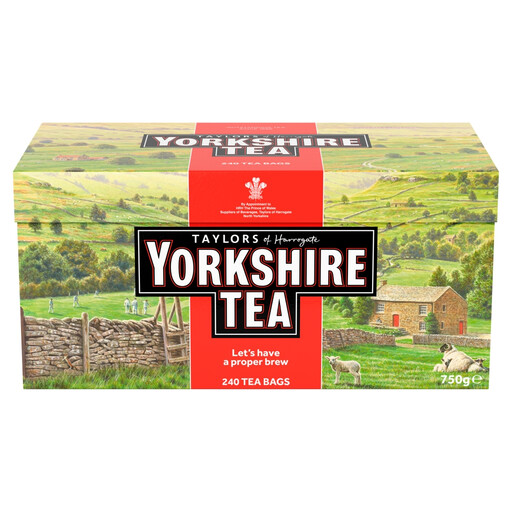
Why This Fits Their Persona: For the person who relies on several proper brews a day, this large pack offers the consistency and robust flavour of a classic British black tea. It's a dependable household staple for a reason.
This pack avoids the "value pack illusion" by clearly stating its contents (240 bags, 750g), making it easy to calculate the cost per cup. The ingredient list is simply "Black Tea," steering clear of hidden sugars.
A consistently rich and full-bodied flavour. The large pack size is economical for frequent tea drinkers and families.
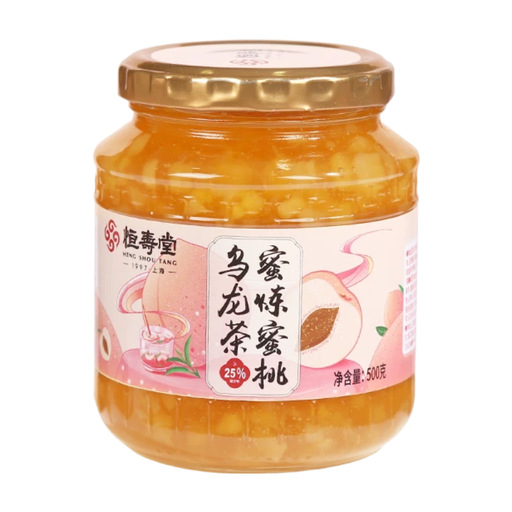
Why This Fits Their Persona: Perfect for someone looking to try something new, this honey-simmered concentrate offers an instant, flavourful peach oolong drink. It's a world away from a standard cuppa and great for making iced fruit tea at home.
While sweet, it avoids the "hidden sugar" trap by being transparent about its nature as a honey-simmered preserve. It uses visible, real peach pulp and oolong tea leaves, not just artificial flavourings.
Extremely versatile—can be mixed with hot or cold water, or even used as a dessert topping. The authentic taste comes from real fruit and tea.
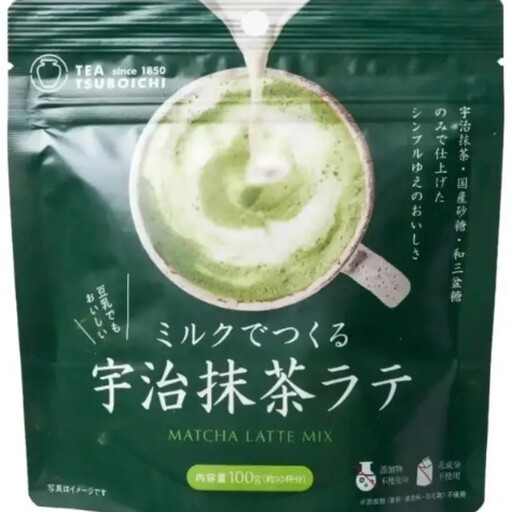
Why This Fits Their Persona: This is an excellent starting point for anyone curious about matcha. The pre-sweetened blend with traditional Wasanbon sugar takes the guesswork out of preparation and balances the earthy notes, making it very approachable.
It sidesteps the "premium label" trap by being an honest, sweetened blend. It isn't marketed as a high-end ceremonial grade for purists, but as a convenient and tasty mix for lattes and drinks.
Simple to prepare by just mixing with hot or cold water/milk. The balanced flavour is a great introduction to the taste of matcha without the potential bitterness.
We have compiled a complete, real-time list of products that fully satisfy these strict selection criteria and UK safety regulations.
Ceremonial grade is made from the youngest, most tender tea leaves, which are stone-ground into a very fine powder. It has a vibrant green colour, a smooth texture and a naturally sweet, umami-rich flavour with minimal bitterness. It is intended to be whisked with hot water and drunk on its own. Culinary grade is made from slightly older leaves, giving it a more robust, slightly more bitter flavour and a less vibrant colour. It is more affordable and designed to be mixed into lattes, smoothies and baked goods where other ingredients will balance its stronger taste.
Look for a few key indicators. First, the format: pyramid-shaped bags generally allow the tea leaves more room to expand and infuse than traditional flat, paper bags, which can lead to a fuller flavour. Second, check the contents. If you can see larger leaf pieces (known as "orange pekoe" grades) rather than fine dust, it's often a sign of higher quality. Finally, information about the tea's origin (e.g., Assam, Ceylon, Kenya) can also suggest a more carefully sourced product.
It depends entirely on the ingredients. Many instant milk tea products are high in sugar, non-dairy creamers (which can contain hydrogenated oils) and artificial additives. To make a more informed choice, always check the nutritional information and ingredients list. Look for products that use real milk powder and have a lower sugar content. Alternatively, you can make your own by brewing a strong black tea and adding your own milk and a sweetener of your choice for full control.