
24/7 Customer Support

Free returns

Same-day & Next-day Delivery

Quality Guaranteed

Unlock Your Welcome Offers: FREE Delivery | Up to 80% OFF | Free 30-day JoyPlus trial
Download the APP
For many of us in the UK, a good cup of tea is less a beverage and more a cornerstone of the day. Yet, when you try to buy tea online, the simple act of restocking the cupboard can become surprisingly complex. You are met with a wall of options, from familiar household names to artisanal brands with lofty claims. Navigating this market to find genuine value without falling into common purchasing traps is key.
As a Joybuy Product Recommendation Officer, my role is to help you see past the marketing clutter. This guide will break down the essential factors to consider, helping you choose the right tea for your daily ritual, whether you're stocking the office canteen or simply ensuring your next cuppa is a satisfying one.
Before adding anything to your basket, be aware of a few frequent traps that can lead to a disappointing purchase.
bulk tea bags seems economical, but tea is a natural product that loses its freshness and aroma over time. Buying a year's supply might mean the last few hundred bags taste stale and flat. It is often better to buy a quantity you will use within a few months.To make an informed choice, focus on these three practical parameters rather than marketing slogans.
The format of the tea is crucial. While loose-leaf tea often provides the highest quality, modern tea bags offer undeniable convenience. Pay attention to the type of bag. Pyramid-shaped bags, for instance, allow more room for the tea leaves to unfurl and infuse, which can result in a more flavourful cup compared to traditional flat bags that may constrict the leaves. This design can be particularly beneficial for blends that use larger leaf pieces instead of fine dust.
Understanding the blend helps you anticipate the flavour.
Labels like Rainforest Alliance Certified indicate that the tea was produced in a way that supports environmental and social sustainability. If you are looking for organic tea, this certification ensures it was grown without synthetic pesticides or fertilisers. For those sensitive to caffeine, a quality decaf tea uses a process to remove the caffeine while aiming to preserve the tea's natural flavour.
To help you find a starting point, we have matched some reliable options to common UK tea-drinker profiles.
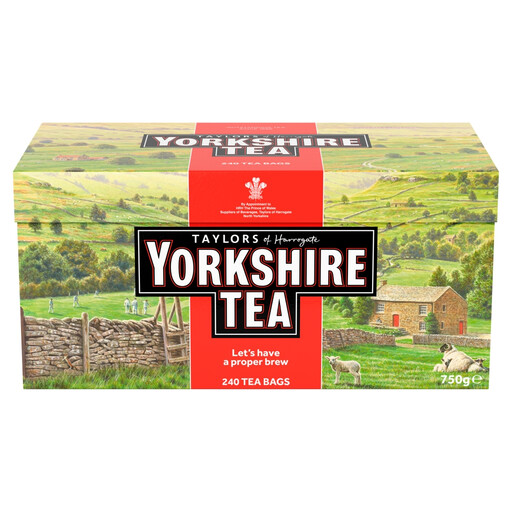
Why This Fits Their Persona: For the household or office that gets through multiple cups a day, this large pack of Yorkshire Tea offers a dependable, robust and satisfying brew. It's a no-nonsense choice focused on consistent quality and value.
This product avoids the "premium" packaging illusion. Its value is clear: a large quantity of a well-regarded, proper brew at a sensible price-per-cup, not inflated by fancy marketing.
Excellent value with 240 bags, ensuring a long-lasting supply for daily drinkers. Delivers the consistently rich and full-bodied flavour that has made it a UK favourite.
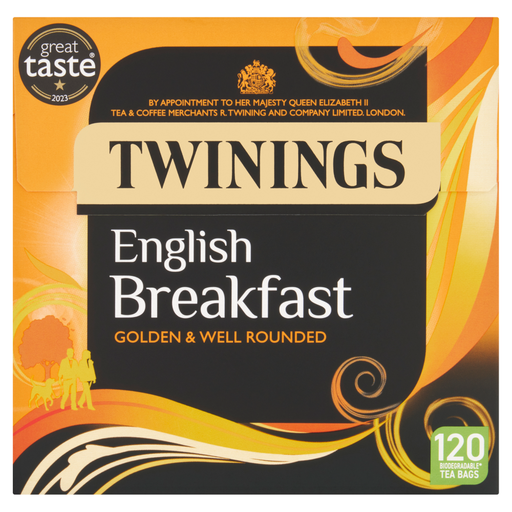
Why This Fits Their Persona: For those who appreciate the heritage and specific flavour profile of a classic English breakfast tea. Twinings offers a balanced, satisfying and proper cup that feels like a small daily luxury without an excessive price tag.
This product relies on its specific, well-known blend and brand history rather than vague "luxury" claims. You are buying it for the distinct Twinings English Breakfast taste, a known quantity.
A bold and full-bodied flavour from a brand with a long-standing reputation. The blend is expertly crafted for a consistently satisfying and lasting taste.
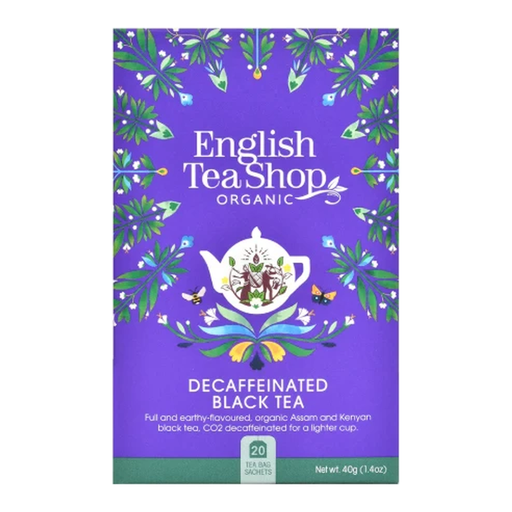
Why This Fits Their Persona: Perfect for those who love the taste of black tea but want to avoid caffeine, especially for an evening cup. The dual benefit of being both organic tea and decaf tea meets specific lifestyle and dietary preferences.
This is a highly specific product that avoids vague marketing. Its value comes from verifiable features—it is decaffeinated and organically grown—which directly addresses the needs of a niche consumer.
Allows for the enjoyment of a rich black tea flavour at any time of day without the effects of caffeine. The organic certification provides assurance of its natural cultivation.
We have compiled a complete, real-time list of products that fully satisfy these strict selection criteria and UK safety regulations.
1. How long do tea bags stay fresh after I open the box? Once the packaging is opened, tea bags are best consumed within three to four months. To maximise freshness, store them in an airtight container in a cool, dark and dry place, away from strong-smelling items like spices or coffee. This prevents the tea from absorbing other odours and losing its own aroma.
2. What is the real difference between English Breakfast, Earl Grey and Assam tea?
3. Are pyramid-shaped tea bags genuinely better than flat ones? Pyramid bags, like those used by brands such as PG Tips, are designed to give the tea leaves more space to move and infuse in the hot water. This can allow for a fuller extraction of flavour, especially when the bag contains larger pieces of broken leaf rather than fine dust. While a high-quality flat tea bag can still make a good cup, the pyramid shape offers a functional advantage for achieving a brew closer to that of loose-leaf tea.