
24/7 Customer Support

Free returns

Same-day & Next-day Delivery

Quality Guaranteed

Unlock Your Welcome Offers: FREE Delivery | Up to 80% OFF | Free 30-day JoyPlus trial
Download the APP
Buying tea online in the UK gives you access to far more than standard black tea bags. You can compare herbal tea, organic tea, loose leaf tea, matcha green tea, iced tea and wellness tea from home. However, attractive packaging and broad health-related wording can make comparison difficult.
A practical purchase starts with the label, not the marketing headline. Check the ingredients, caffeine information, preparation method, pack size and storage instructions before adding a product to your basket.
Words such as “detox”, “immune”, “energy” and “stress relief” may describe a blend’s positioning rather than a guaranteed result. Tea should not be purchased as a replacement for medical advice or treatment. Under UK advertising expectations, health-related claims need appropriate authorisation and should not imply certainty where evidence is not established.
Look for measurable details instead: the percentage of each ingredient, whether the tea contains caffeine and how it should be prepared.
Herbal infusions such as rooibos, hibiscus and soursop tea are commonly caffeine-free, but green tea, black tea, white tea, oolong tea, jasmine tea and matcha green tea naturally contain caffeine unless the label states otherwise.
A jasmine green tea may be described as suitable for evening use, yet it still contains green tea leaves. If you are caffeine-sensitive, check the ingredients and product information rather than relying on the name.
A 20g box, a 24-bag pack and an 80g loose leaf caddy are not directly comparable. Tea bags offer consistent portions, while loose leaf tea can provide several infusions but requires a strainer or infuser.
Calculate the approximate cost per cup and consider whether you will actually use the required equipment. A larger pack is only economical if the tea remains fresh and suits your routine.
For caffeine-free tea, look for an explicit 0mg caffeine statement or ingredients that are clearly herbal. English Tea Shop Organic Wellness Energize Me lists 0mg caffeine and contains spearmint, peppermint, rooibos, ginger, lemongrass and other herbs and spices.
For caffeinated products, serving strength depends on leaf type, water temperature and steeping time. Matcha is consumed as powdered tea, so its preparation and caffeine profile differ from a standard green tea bag.
Also check for liquorice root, botanicals or added vitamins if you have dietary restrictions or take medication. Product packaging remains the most current source for allergen and safety information.
“Organic” should refer to a recognised certification shown on the product or listing, rather than simply appearing in promotional wording. Some products in this selection identify Soil Association organic or ECOCERT organic certification.
Fairtrade status is also product-specific. It can be relevant to shoppers who want purchasing standards that include certified supply-chain requirements. Verify the logo and certification details on the packaging, particularly when comparing organic tea and Fairtrade tea.
Tea bags are convenient for work, travel and quick morning drinks. Loose leaf tea allows you to adjust the quantity and often supports multiple infusions, but it needs suitable equipment.
Brewing instructions matter too. Green tea can become bitter when prepared with boiling water for too long, while herbal infusions often need a longer steep. For iced tea, check whether the product supports cold brewing or whether you should prepare a stronger hot infusion before cooling it.
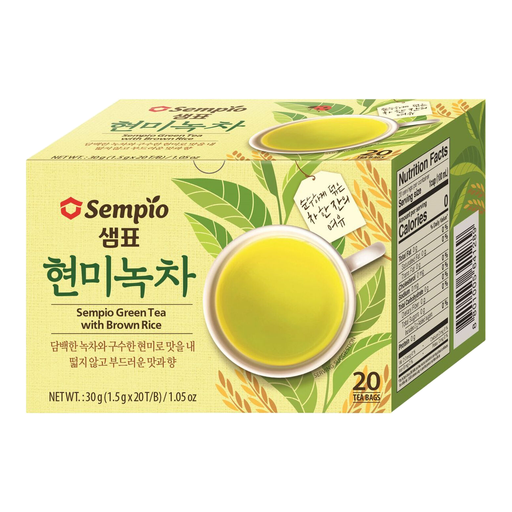
Why This Fits Their Persona: A straightforward everyday option for UK shoppers who want tea bags that work both hot and cold without buying separate iced tea products.
The ingredients are clearly listed as brown rice and green tea, while the instructions explain both hot and cold brewing.
Zero-calorie nutrition information; suitable for hot brewing or refrigerated cold brewing.
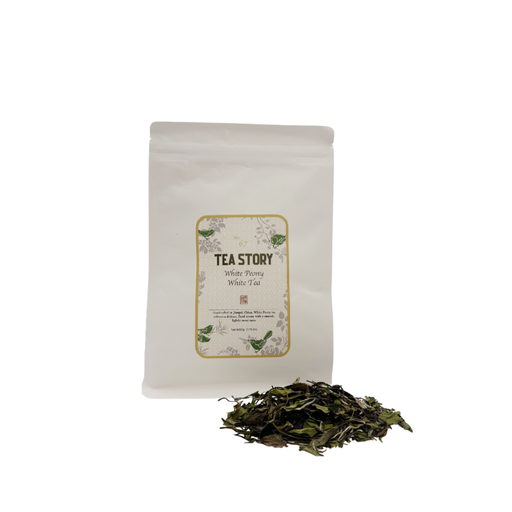
Why This Fits Their Persona: Suitable for loose leaf tea drinkers who value adjustable portions and a traditional brewing ritual at home.
The listing gives measured guidance for a 5g serving, 90–95°C water temperature and recommended infusion times.
100g loose leaf format; instructions state that the leaves can be infused several times.
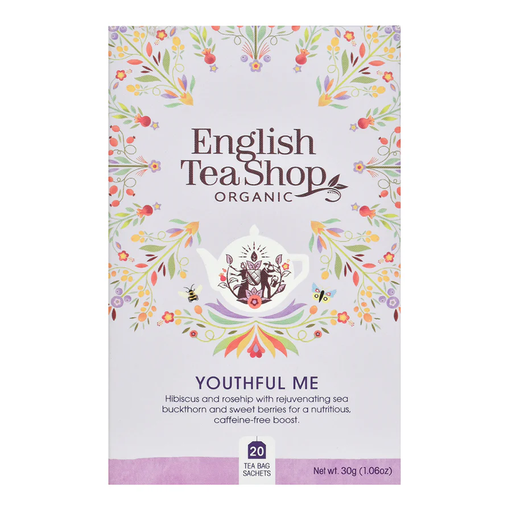
Why This Fits Their Persona: A fruity herbal infusion for shoppers seeking a caffeine-free tea to drink in the evening or between caffeinated cups.
The product information specifies 0mg caffeine and identifies hibiscus and rosehip as the main ingredients.
Organic and Fairtrade information is provided; the blend contains no added sugar according to the listing.
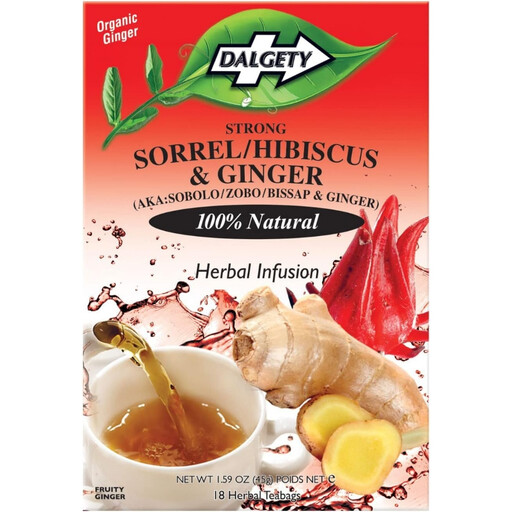
Why This Fits Their Persona: A practical choice for households that prepare larger hot infusions or refreshing iced tea and enjoy a tart, spiced flavour.
It lists roselle and ginger as ingredients and provides separate hot and cold preparation instructions rather than vague usage claims.
Caffeine-free herbal infusion; can be strained after using one to two teaspoons and served over ice.
We have compiled a complete, real-time list of products that fully satisfy these strict selection criteria and UK safety regulations.
Before ordering, confirm:
Online prices vary by pack size, delivery charge and promotion. Compare the cost per tea bag or estimated cup, not only the displayed pack price. Buying several everyday products together may also make delivery more economical, but only stock up on tea that you can store correctly and drink before its flavour declines.
The best-before date and storage instructions on the packaging take priority. In general, tea retains its aroma more effectively when kept sealed in a cool, dry, dark cupboard. Loose leaf tea is particularly vulnerable to moisture and surrounding odours, so an airtight container can be useful.
Many herbal tea products, green tea bags and ready-to-drink green teas can be served cold. Sempio Green Tea With Brown Rice includes a cold-brewing method, while Dalgety Sorrel, Hibiscus & Ginger Tea provides instructions for making a stronger infusion before cooling it over ice. Always check the product instructions and refrigerate prepared tea promptly.