
24/7 Customer Support

Free returns

Same-day & Next-day Delivery

Quality Guaranteed

Unlock Your Welcome Offers: FREE Delivery | Up to 80% OFF | Free 30-day JoyPlus trial
Download the APP
A steaming bowl of tonkotsu ramen, with its rich, creamy pork bone broth and satisfying noodles, is a comforting meal for any occasion. As more of us seek convenient ways to enjoy Japanese cuisine at home, the market for instant and frozen ramen has grown. However, not all products deliver on their promise of authentic flavour. Many shoppers find themselves disappointed by watery broths or lacklustre noodles.
As a Product Recommendation Officer at Joybuy, my role is to help you navigate the options and find products that offer genuine value. This guide will highlight the common pitfalls to avoid when you buy tonkotsu ramen in the UK and break down the key features to look for, ensuring your next bowl is a satisfying one.
Navigating the world of Japanese ramen noodles can be tricky. Here are three frequent issues that can lead to a disappointing purchase.
Many packages claim to offer a traditional pork bone broth ramen experience, but the ingredients list tells a different story. A truly rich tonkotsu broth is milky and opaque, a result of pork bones being simmered for hours. Some instant versions cut corners, using simple "pork flavouring" powders and salt, resulting in a thin, one-dimensional soup that lacks the signature creamy texture and depth.
The texture of the noodle is just as important as the broth. Most standard instant tonkotsu ramen uses noodles that are flash-fried as part of the drying process. While this makes them quick to rehydrate, it can also impart a slightly oily taste and a softer, less satisfying texture. Non-fried noodles, which are air-dried, tend to have a firmer, chewier bite that is much closer to the fresh noodles served in ramen restaurants.
While the convenience of tonkotsu cup noodles is undeniable, the simplest options often provide the least rewarding experience. A high-quality instant ramen should come with multiple sachets—typically a powder base, a seasoning oil or paste and dried garnishes. The oil is particularly crucial for tonkotsu, as it adds a layer of richness and aroma that a simple powder cannot replicate.
To avoid these pitfalls, focus on a few core parameters when making your selection.
Scrutinise the ingredients list. Look for terms like "pork bone extract," "pork bone soup" or "tonkotsu extract" listed prominently. This indicates that the flavour is derived from an actual bone broth reduction, not just artificial flavourings. Brands like Nissin tonkotsu and Lamianfan noodles often specify the nature of their broth base, giving you a better indication of its quality.
Decide what noodle experience you prefer. If you want a texture that mimics restaurant quality, look for products that specify "non-fried" noodles. These are becoming more common in premium packet and cup varieties. For an even more authentic experience, frozen ramen often includes fresh-cooked noodles that have been flash-frozen, preserving their ideal texture and chewiness.
Your choice of format depends on your lifestyle and needs.
Based on these practical criteria, here are a few recommendations tailored to different needs.
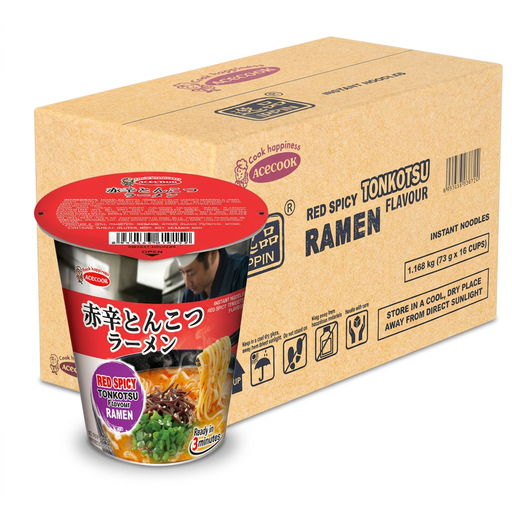
Why This Fits Their Persona: This spicy tonkotsu ramen cup is perfect for a quick and flavourful lunch at your desk. It requires minimal effort—just boiling water—and the spicy kick provides a more exciting flavour profile than standard options, breaking up the workday monotony.
It avoids the "simplicity trap" by including separate soup powder, seasoned oil and vegetable sachets. The oil in particular adds the necessary richness expected from a tonkotsu broth.
The combination of a creamy tonkotsu base with a distinct chilli heat offers a complex flavour profile in a convenient cup format. Includes wood ear mushrooms and sesame for added texture.
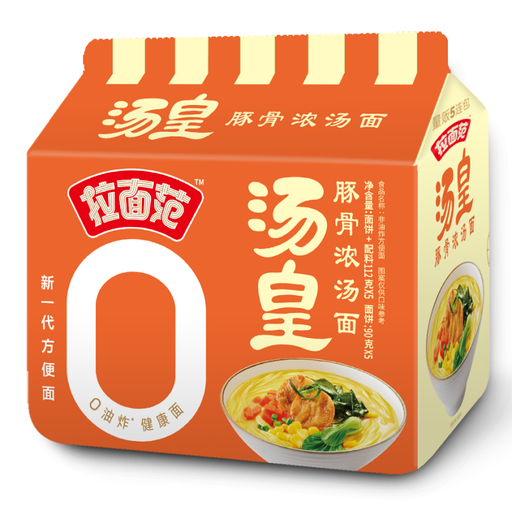
Why This Fits Their Persona: This ramen multi-pack provides five servings, making it an economical and convenient solution for family meals. It serves as a great base that can be easily customised with fresh vegetables, eggs or meat to create a more substantial dinner.
It directly addresses the noodle texture pitfall by using non-fried noodles. This results in a smoother, chewier texture that holds up well in the rich broth, avoiding the greasiness of fried alternatives.
Excellent value for money with five servings per pack. The inclusion of four separate seasoning and garnish packets (soup, oil, vegetable meat slices and vegetables) allows for a layered, rich flavour.
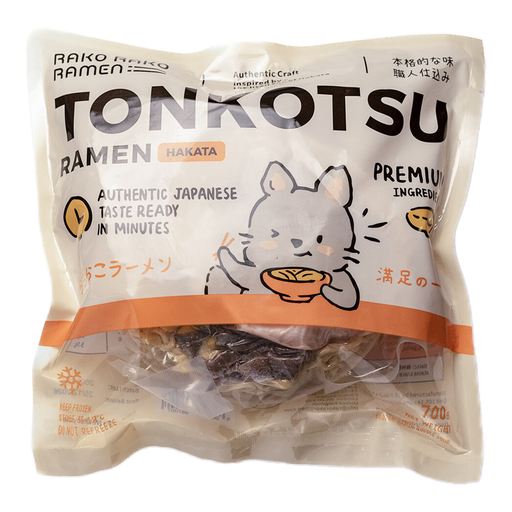
Why This Fits Their Persona: For those unwilling to compromise on flavour, this frozen ramen is designed to replicate the restaurant experience. It's a complete meal, including a high-quality broth, fresh-style noodles and toppings like pork chashu and wood ear mushrooms.
This product directly counters the "authentic broth" pitfall. The description states the broth is made from pork bones simmered for over 10 hours and constitutes 56% of the product, ensuring a genuinely rich and creamy base.
The flash-frozen format locks in the flavour of the slow-simmered broth and the texture of the noodles and chashu pork. It requires no added water, providing a complete, well-balanced meal in minutes.
We have compiled a complete, real-time list of products that fully satisfy these strict selection criteria and UK safety regulations.
Elevating your instant ramen is simple. Start by adding a soft-boiled egg (marinated in soy sauce and mirin if you have time). Freshly chopped spring onions, a sheet of roasted nori (seaweed), a drizzle of sesame oil or some blanched bean sprouts can add layers of flavour and texture.
The primary difference is the base ingredient. Tonkotsu is made by simmering pork bones for many hours, resulting in a rich, creamy and opaque white broth. Other common types include Shio (a light, clear, salt-based broth), Shoyu (a clear, brown broth based on soy sauce) and Miso (a nutty, complex broth made with fermented soybean paste).
For those prioritising flavour and texture, frozen ramen is often a worthwhile investment. The freezing process preserves the quality of the broth and noodles far better than drying. These kits often include higher-quality toppings like sliced meat and a more complex broth that has been prepared and reduced, offering an experience that is much closer to dining in a ramen shop.