
24/7 Customer Support

Free returns

Same-day & Next-day Delivery

Quality Guaranteed

Unlock Your Welcome Offers: FREE Delivery | Up to 80% OFF | Free 30-day JoyPlus trial
Download the APP
Navigating the world of Japanese noodles can be a rewarding culinary journey, but when you decide to buy udon noodles online, the sheer variety can be overwhelming. From thick, chewy strands in a hearty broth to quick and spicy stir-fry noodles, udon is a versatile staple. However, not all packets are created equal. Many shoppers find themselves with noodles that are mushy, lack flavour or simply aren't what they expected. As your Joybuy Product Recommendation Officer, my role is to help you see past the marketing and focus on what truly matters for your home cooking.
Before you add a pack to your basket, let's look at a few common pitfalls that can lead to a disappointing meal:
bulk noodles and your own seasonings.thick wheat noodles. You might find products labelled "udon-style" that are actually a type of Chinese noodles with a different texture and cooking requirement. This can affect how they perform in your intended dish, whether it's a classic Japanese noodles for soup recipe or a sizzling stir-fry.To ensure you get the right product for your pantry, focus on these three core parameters. They will help you choose the perfect udon noodles for your needs, from a quick student meal to a family feast.
The format of the noodle is the single biggest factor influencing texture and cooking time.
stir-fry noodles as they separate easily and hold their shape well in a pan.dried udon noodles require a longer boiling time (usually 8-10 minutes). The reward for your patience is a firmer, chewier texture with a more satisfying "al dente" bite. They are an excellent pantry staple, store for a long time and are often more economical when purchased in larger quantities.A quick scan of the ingredients list can tell you a lot about the final product.
konjac noodles are an interesting option. Made from konjac yam flour, they are virtually calorie-free and high in fibre. Their texture is distinctly more gelatinous and springy than wheat-based udon, and they are excellent at absorbing the flavours of sauces and broths.Finally, consider what you'll be making.
instant noodles kit is the way to go. These often feature bold flavours like spicy udon or mala, providing a full-flavoured dish with minimal effort.Based on these practical considerations, here are a few options tailored to different UK home cooks.
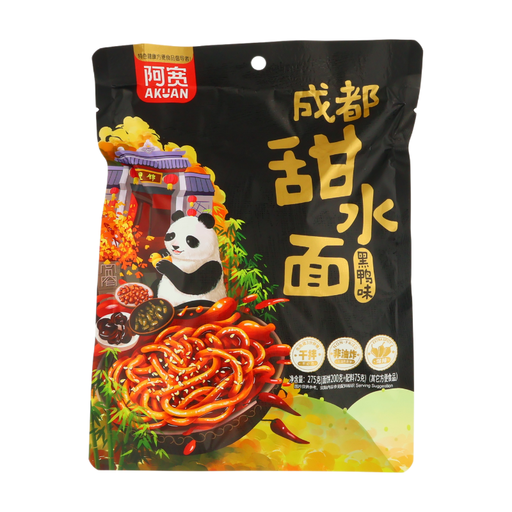
Why This Fits Their Persona: This is an all-in-one kit perfect for students or professionals needing a flavourful meal without the fuss. The Chengdu-style sweet and spicy sauce provides a complete taste experience straight out of the packet.
It sidesteps the "value trap" by being positioned as a convenient meal solution, not just plain noodles. The value is in the included sauce, vegetable and peanut packs, creating a full dish instantly.
Includes tender udon-style noodles and a complex sauce for a bold flavour profile. Preparation is simple: soak, drain and mix.
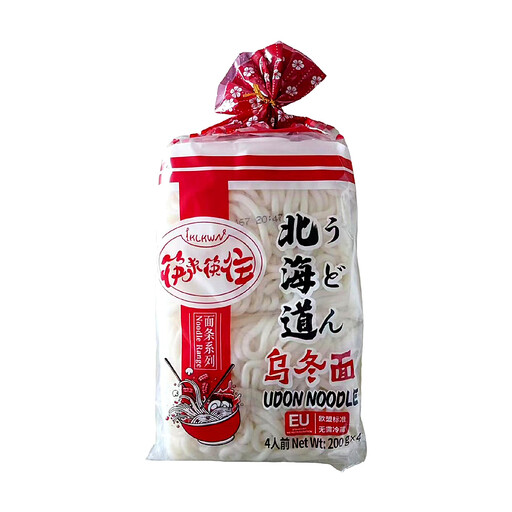
Why This Fits Their Persona: This multipack offers great value and versatility for family meals. The plain, pre-cooked noodles are a blank canvas for soups, stir-fries or simply served with a sauce, catering to different tastes.
By being a plain noodle multipack, it avoids the premium cost of single-serving kits. It correctly sets the expectation of being a convenient, shelf-stable "fresh" noodle, not a truly fresh one.
Features a classic smooth and chewy texture. The 200g individual packs are convenient for portion control and cook in just 2-3 minutes.
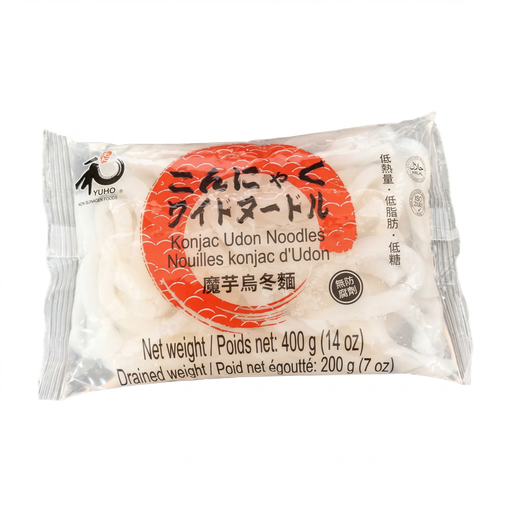
Why This Fits Their Persona: This is a direct, low-calorie substitute for traditional udon. Made from konjac flour, it's extremely low in calories and carbohydrates, making it suitable for various dietary goals.
It clearly avoids the "confusing noodle identity" trap by being explicitly labelled as konjac. This manages expectations about its unique, springy texture, which is different from wheat-based udon.
Extremely low in calories (6 kcal per 100g) and rich in dietary fibre. It has a neutral taste, making it excellent for absorbing the flavours of strong sauces, soups or stir-fries.
We have compiled a complete, real-time list of products that fully satisfy these strict selection criteria and UK safety regulations.
The primary difference is texture and cooking time. Fresh (vacuum-packed) udon is pre-cooked, softer and ready in 2-3 minutes, making it great for quick meals and stir-fries. Dried udon is uncooked, requires 8-10 minutes to boil and results in a firmer, chewier noodle, which many prefer for traditional noodle soups.
Absolutely. While udon is a type of Japanese noodles, its thick, neutral-tasting profile makes it highly versatile. The pre-cooked vacuum-packed variety is particularly well-suited for Chinese-style stir-fries, as it holds its structure well and readily absorbs sauces like soy, oyster or hoisin.
Once the vacuum seal is broken, the noodles are exposed to air and should be treated like any fresh, cooked food. It is recommended to use them immediately. If you have leftovers, store them in an airtight container in the refrigerator and consume them within 24 hours for the best texture and safety.