
24/7 Customer Support

Free returns

Same-day & Next-day Delivery

Quality Guaranteed

Unlock Your Welcome Offers: FREE Delivery | Up to 80% OFF | Free 30-day JoyPlus trial
Download the APP
As a Joybuy Product Recommendation Officer, my role is to help you navigate the crowded shelves and find products that genuinely suit your needs. When it comes to something as wonderfully simple as udon noodles, it’s surprising how easy it is to make a disappointing purchase. A promise of "freshness" can lead to a mushy texture, and a seemingly good value pack might not be right for your intended dish.
Many home cooks in the UK run into a few common pitfalls. Firstly, the term "fresh" is often misleading. Most vacuum-packed udon found on ambient shelves are pre-cooked, not freshly made like those in a refrigerated section. This isn't necessarily bad, but it dramatically changes the required cooking time and final texture. Secondly, many convenient options contain a list of additives like acidity regulators and stabilisers. While these extend shelf life, they can impart a slightly sour taste or an unnaturally uniform texture, a far cry from the simple, wheaty flavour of traditional Japanese udon noodles.
To ensure you get the satisfying, chewy noodles you’re craving, focus on a few core parameters. Paying attention to these details will help you choose the right product, whether for a quick meal or an authentic culinary project.
The most significant choice you'll make is between dried and pre-cooked udon. This single factor influences cooking time, texture and storage.
An authentic udon noodle experience comes from very few ingredients: wheat flour, water and salt. When you browse options to buy udon noodles online, you will notice many pre-cooked varieties also include:
If your priority is authentic flavour and texture, look for the shortest ingredient list possible. If convenience is your main goal, these additives are standard and safe, but it's good to know what they are for.
Consider how you plan to use the noodles and how many people you are cooking for.
To help you choose, we've matched a few standout options to different types of home cooks, based on their likely priorities.
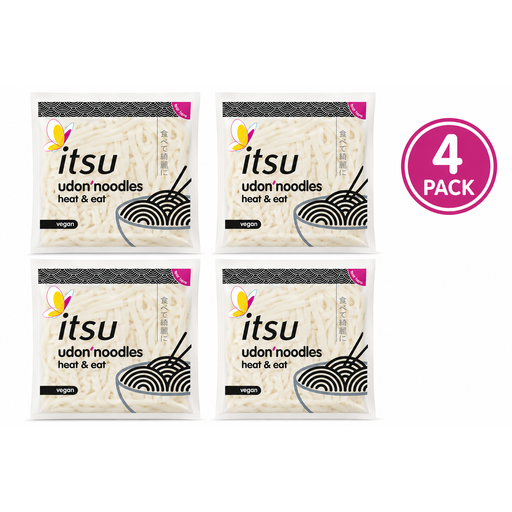
Why This Fits Their Persona: For those with a demanding schedule, these pre-cooked noodles are a lifesaver. They can be added directly to a hot broth or stir-fry, turning a handful of ingredients into a satisfying meal in under five minutes. The multi-pack format is ideal for stocking the pantry for several quick meals.
This product is clearly positioned for convenience. You know you are choosing speed over the complex texture of dried noodles, avoiding the disappointment of expecting one and getting the other. The individual packs prevent waste.
Extremely quick preparation; simply add to a hot dish. The 150g portions are well-suited for single servings.
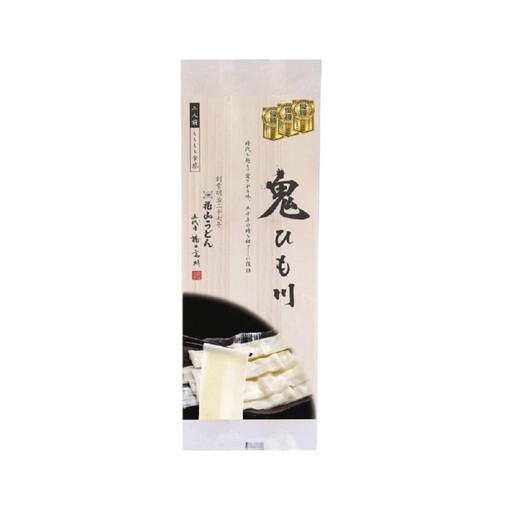
Why This Fits Their Persona: For the home cook who values authenticity and is willing to take the time to prepare ingredients properly. These dried noodles are made in Japan from just wheat flour and salt, delivering a pure flavour and requiring proper boiling to achieve their signature chewy texture.
By being a dried product with a minimal ingredient list, it completely avoids the additives and softer texture of pre-cooked noodles. You are in full control of the final texture, ensuring no mushy results.
Made in Japan with premium wheat for an authentic taste. The unique, exceptionally wide and flat "Onihimokawa" shape offers a distinctive and satisfying mouthfeel.
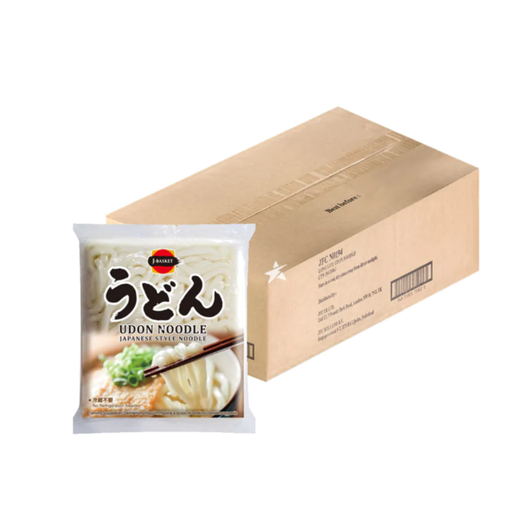
Why This Fits Their Persona: Perfect for large families, meal preppers, or anyone who loves udon and wants the best value. This bulk case of 30 pre-cooked packs means you are always prepared for a quick and easy meal, without the need for frequent shopping trips.
Buying in bulk provides significant cost savings over single packs. Because the noodles are individually sealed in 200g portions, you avoid the waste and spoilage that can come with opening one giant bag.
Excellent value for money with 30 individual servings. The pre-cooked format offers maximum convenience for busy households.
We have compiled a complete, real-time list of products that fully satisfy these strict selection criteria and UK safety regulations.
For dried udon noodles, once the packet is opened, transfer them to an airtight container and store them in a cool, dry place like a pantry. They will typically last for several months, but always check the best-before date on the packaging. For pre-cooked, vacuum-sealed udon, once the inner pouch is opened, they should be cooked and consumed immediately. If you have leftovers, store them in an airtight container in the refrigerator and eat them within 24 hours.
Yes, pre-cooked udon is an excellent choice for a quick stir-fry (Yaki Udon). Because they are already cooked, you only need to heat them through. The key is to add them towards the end of the cooking process. After stir-frying your protein and vegetables, add the noodles to the wok along with your sauce. Toss everything together for 1-2 minutes until the noodles are hot and well-coated. Be careful not to overcook them, as they can become soft.
While both are thick wheat-flour noodles, the context of the dish often differs. Traditional Japanese udon noodles are celebrated for their simple, clean flavour and are often served in a light, dashi-based broth (kakejiru) or chilled with a dipping sauce. Korean-style udon dishes, like the one offered by CJ Bibigo, often incorporate bolder, richer flavours. They might be served in a spicy seafood broth (Jjamppong) or with a savoury-sweet sauce like Korean BBQ, reflecting the robust flavour profiles common in Korean cuisine. The noodle itself is fundamentally similar, but the preparation and accompanying flavours create a distinct culinary experience.